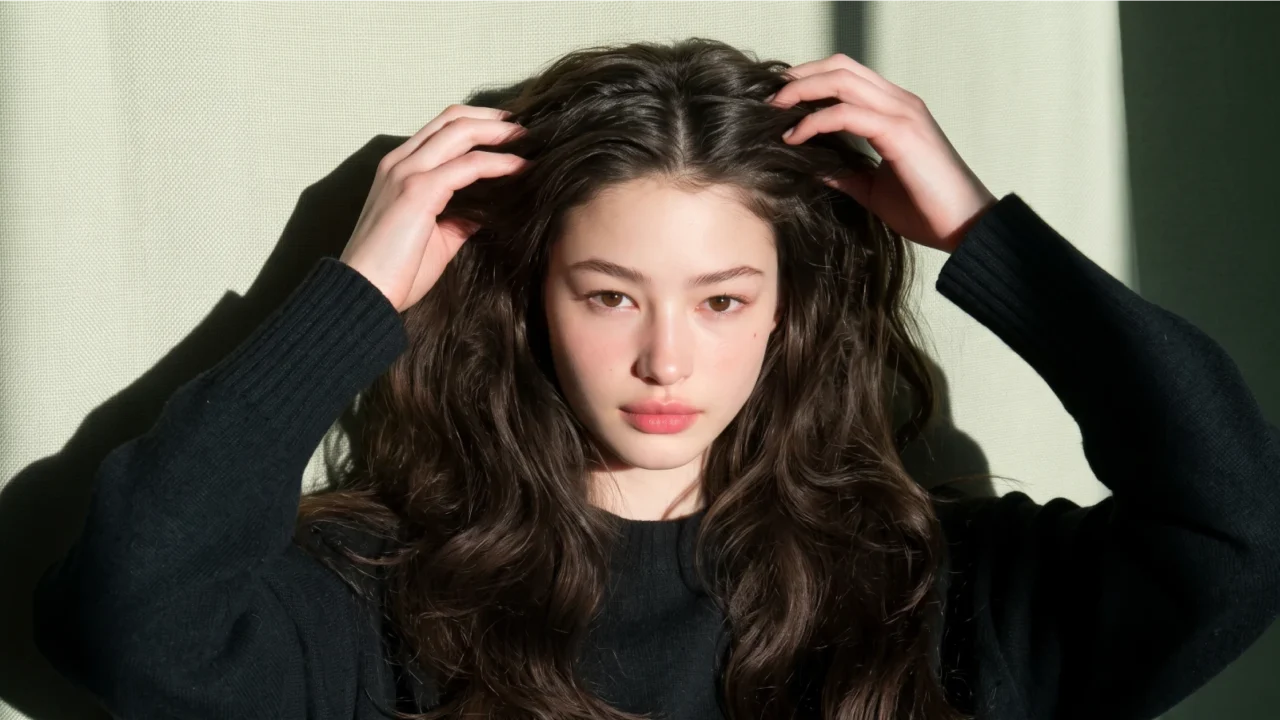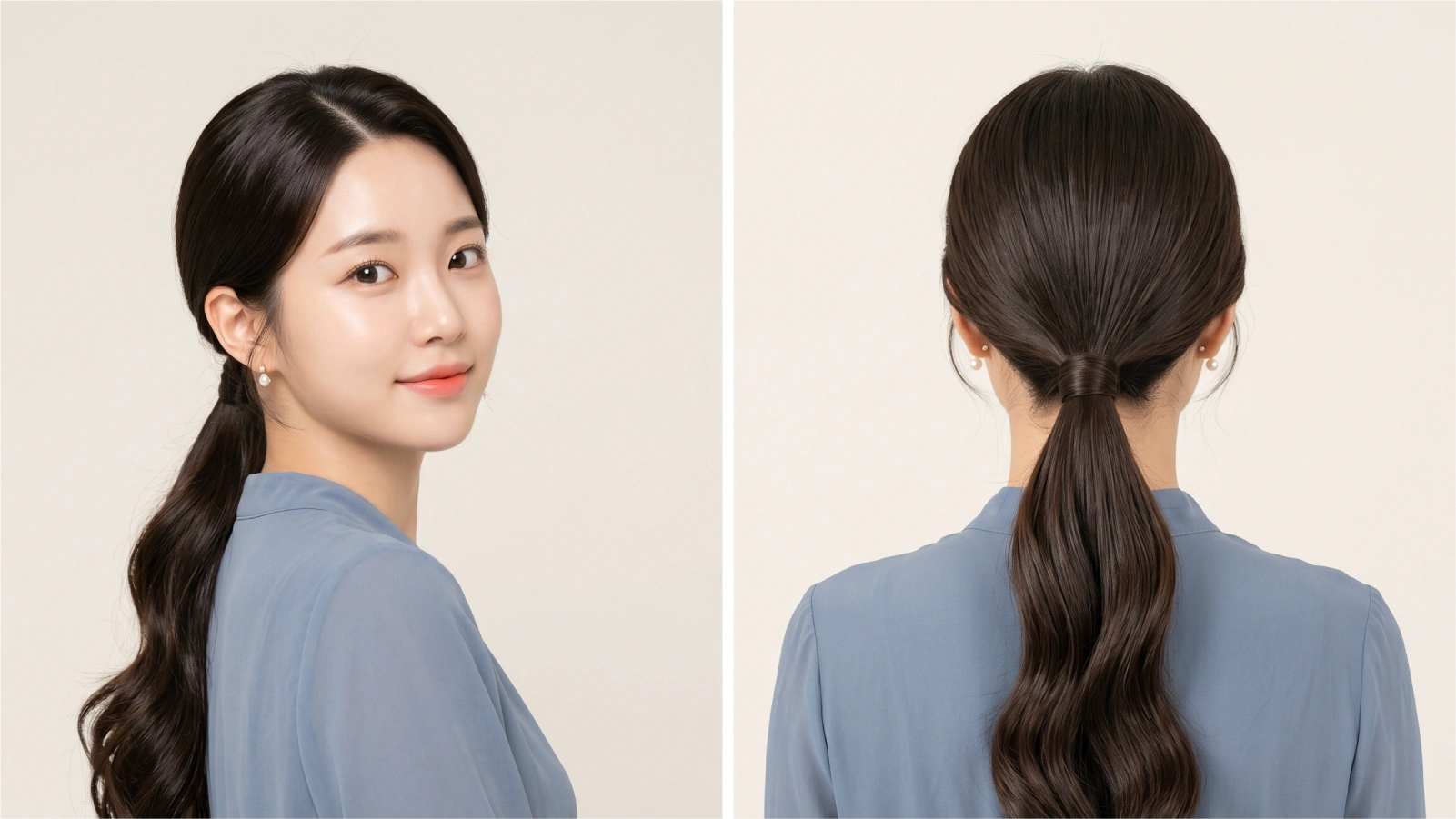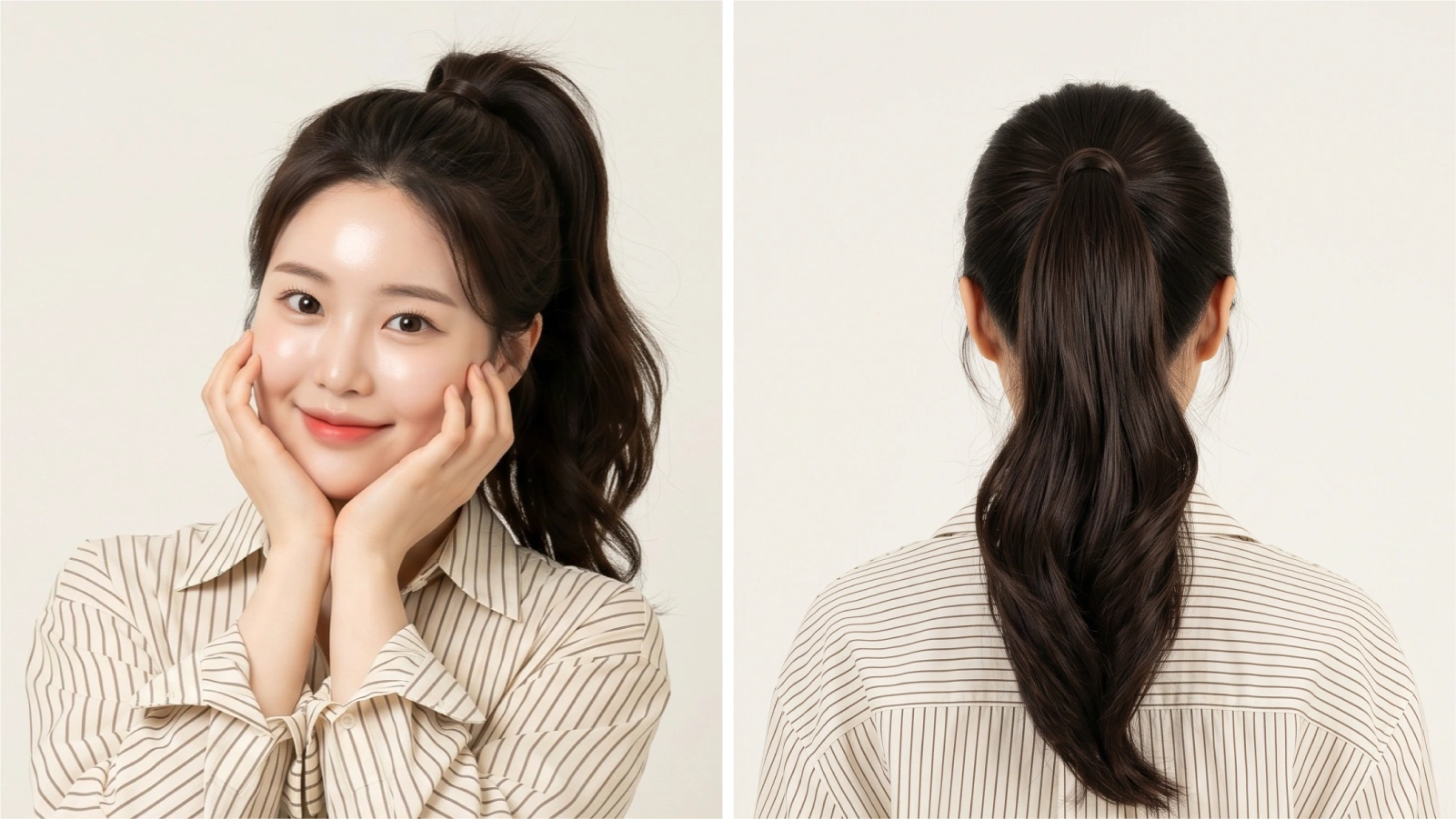
A high ponytail is a hairstyle where all hair is gathered and secured above the crown of the head — typically at or above the parietal ridge — creating instant lift, a lengthened neck silhouette, and a polished, confident aesthetic.
Done right, it works for a quick gym session, a boardroom meeting, or a red-carpet moment. Done wrong, it droops by noon and quietly damages your hairline.
This guide gives you the complete picture: how to nail the technique, which style suits your face shape, how to protect your hair health, and how to customize the look across occasions.
Whether you’re brand new to styling or just want to upgrade your go-to everyday look, you’ll find the exact steps and tips you need right here. If you’re still exploring easy hairstyles for women that work for your lifestyle, this article is the perfect deep-dive companion.
Style Snapshot
- The stacked-elastic hack (two elastics placed close together at the base) adds volume and prevents drooping without extensions.
- A 2019 study (Goren et al.) examining women with frontal hair loss found that the vast majority had worn a ponytail four or more times per week for an average of 10 years — a strong signal that frequent, prolonged ponytail wear is a major risk factor.
- Swap metal elastics for fabric-covered ties, rotate your ponytail placement, and give your hair at least 1–2 rest days per week to preserve your hairline long-term.
What Is the Best High Ponytail Technique for Beginners?
The biggest beginner mistake is gathering hair in one quick sweep and calling it done. That’s how you get lumps, drooping, and a ponytail that slips within the hour. A proper high ponytail takes about five minutes and relies on preparation, not just pulling.
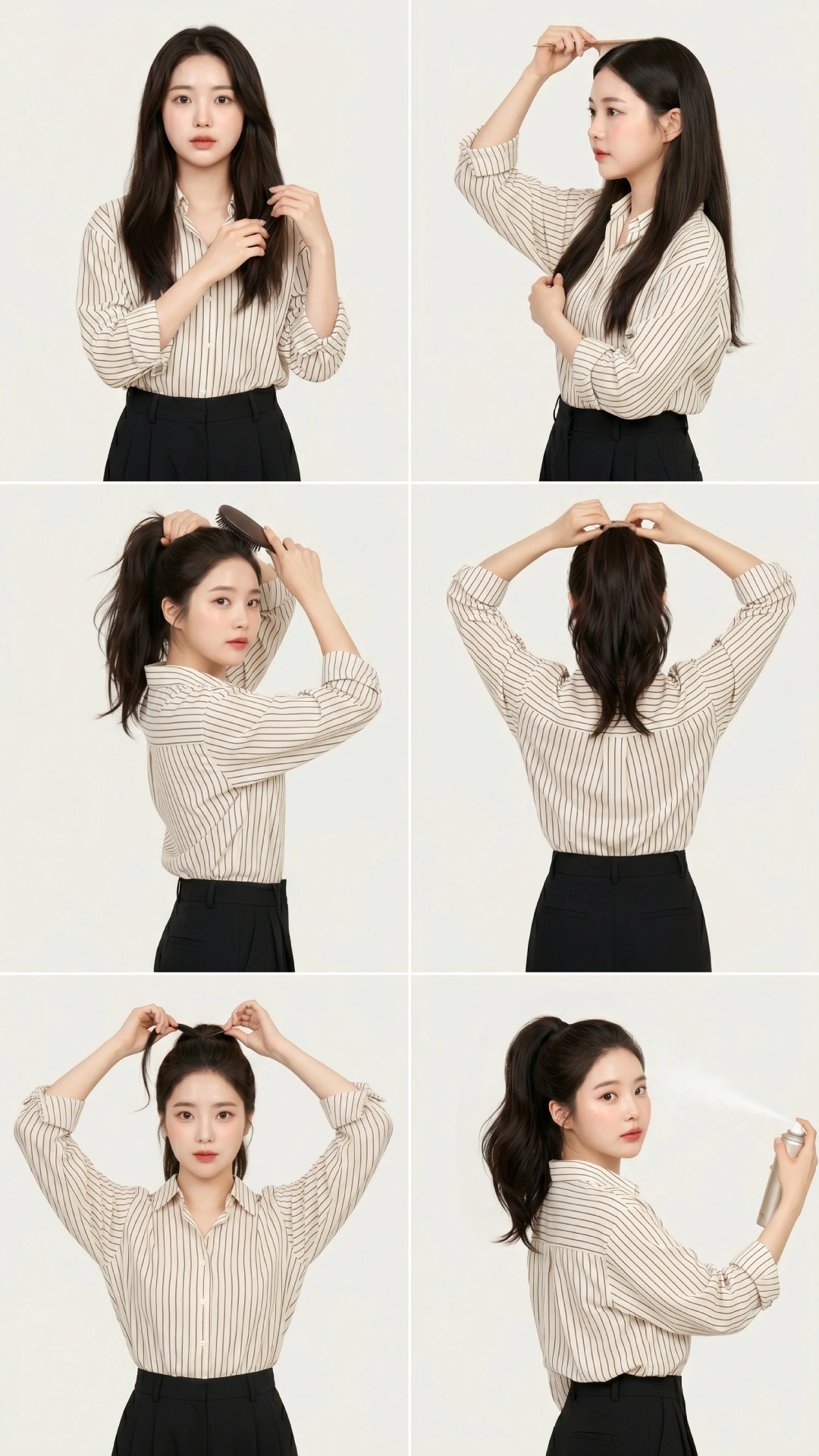
Step-by-step high ponytail tutorial:
- Prep your base. Apply a smoothing serum or light mousse to dry hair. Rough, product-free hair fights you at every step.
- Straighten or smooth (optional but recommended for sleek looks). Use a flat iron in small sections and a heat protectant spray. Skip this step if you want a textured or wavy finish.
- Create your part. Use a tail comb for a center part (softens the look) or brush everything straight back (maximizes the sculpted effect).
- Gather high using both hands. Hold all hair at the crown — directly at or above the highest point of your head — with one hand while smoothing flyaways with a brush in the other.
- Secure with a fabric-covered elastic. Wrap it twice. Use a bungee elastic for extra hold on thick hair.
- Remove bumps with a tail comb. Slide the comb handle flat against your scalp from front to crown to flatten any ridges.
- Wrap a small section around the base. Pull a thin piece of hair from the underside of the pony, wrap it around the elastic, and pin with a bobby pin underneath. This hides the tie and adds polish instantly.
- Set with light-hold hairspray. Mist from 10 inches away. Don’t douse — you want flexible hold, not a helmet.
Ponytail height changes which features get the most visual attention — celebrity hairstylist Andrew Fitzsimons, who has styled Khloe Kardashian and Jennifer Lopez, regularly makes this point when explaining his approach to placement.
Which High Ponytail Style Suits Your Face Shape?
The placement and finish of your high ponytail should work with your natural bone structure. A style that sculpts and lifts one face shape can actually widen or shorten another.

Hair type matters too:
- Fine hair: Use dry shampoo at the roots before styling for grip and lift. The stacked-elastic hack (two elastics placed 1 cm apart at the base) gives the appearance of a fuller ponytail instantly.
- Thick hair: A single strong elastic often isn’t enough. Use a bungee elastic plus a second wrap, or try a two-section gather (split hair into top and bottom halves, secure separately, then blend).
- Curly/natural hair: Apply a curl-defining cream before gathering. Use a wide-tooth comb instead of a bristle brush to avoid frizz. Embrace texture — a voluminous curly high pony is one of 2026’s most-requested looks.
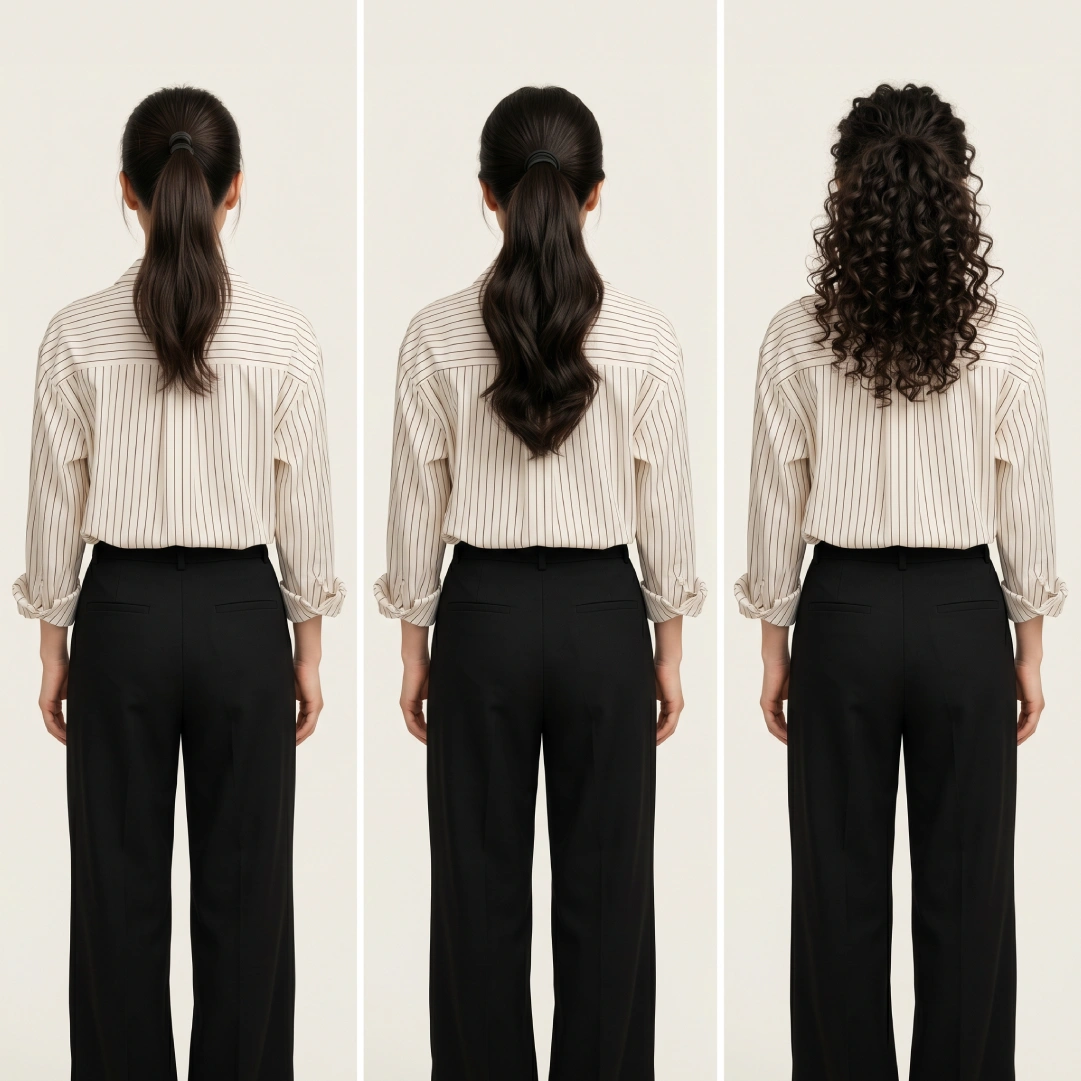
How Do You Add Volume to a High Ponytail Without Extensions?
You don’t need a trip to the salon or a set of clip-ins to get a full, bouncy high ponytail. Volume is mostly about structure, not hair quantity.
The stacked-elastic volume hack (no extensions needed):
- Gather your hair into a high ponytail and secure it with your first elastic at the crown.
- Hold the ponytail straight up. Place a second elastic about 2–3 cm below the first.
- The hair between the two elastics will naturally puff out, creating the appearance of a voluminous base.
- Tease the length of the ponytail gently with a fine-tooth comb, focusing on the mid-section.
- Finish with a lightweight volumizing spray.
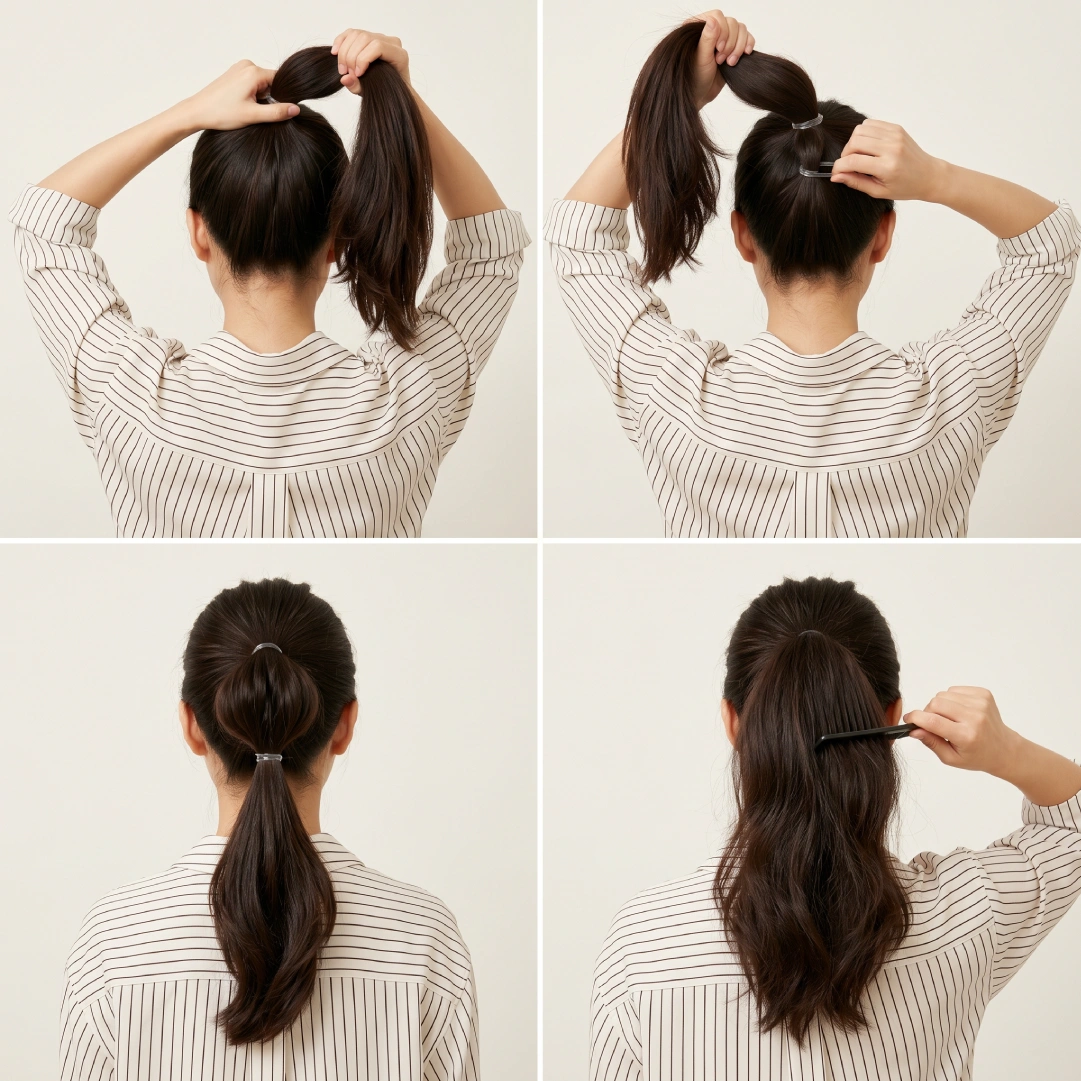
Additional volume boosters:
- Backcomb the crown section before gathering. Use a teasing comb on the root area only (the part that will sit on top of the ponytail) and smooth over gently with a brush before securing.
- Use dry shampoo at the root. Not just for oil — the texture provides natural grip that prevents drooping throughout the day.
- Clip-free: try the ‘pancaking’ method. After securing, gently pull small sections of the ponytail outward from side to side to widen and loosen it. Works especially well on braided or bubble ponytail variations.
- Sleep on it. Surprisingly, second-day hair holds a high ponytail better than freshly washed, silky strands.
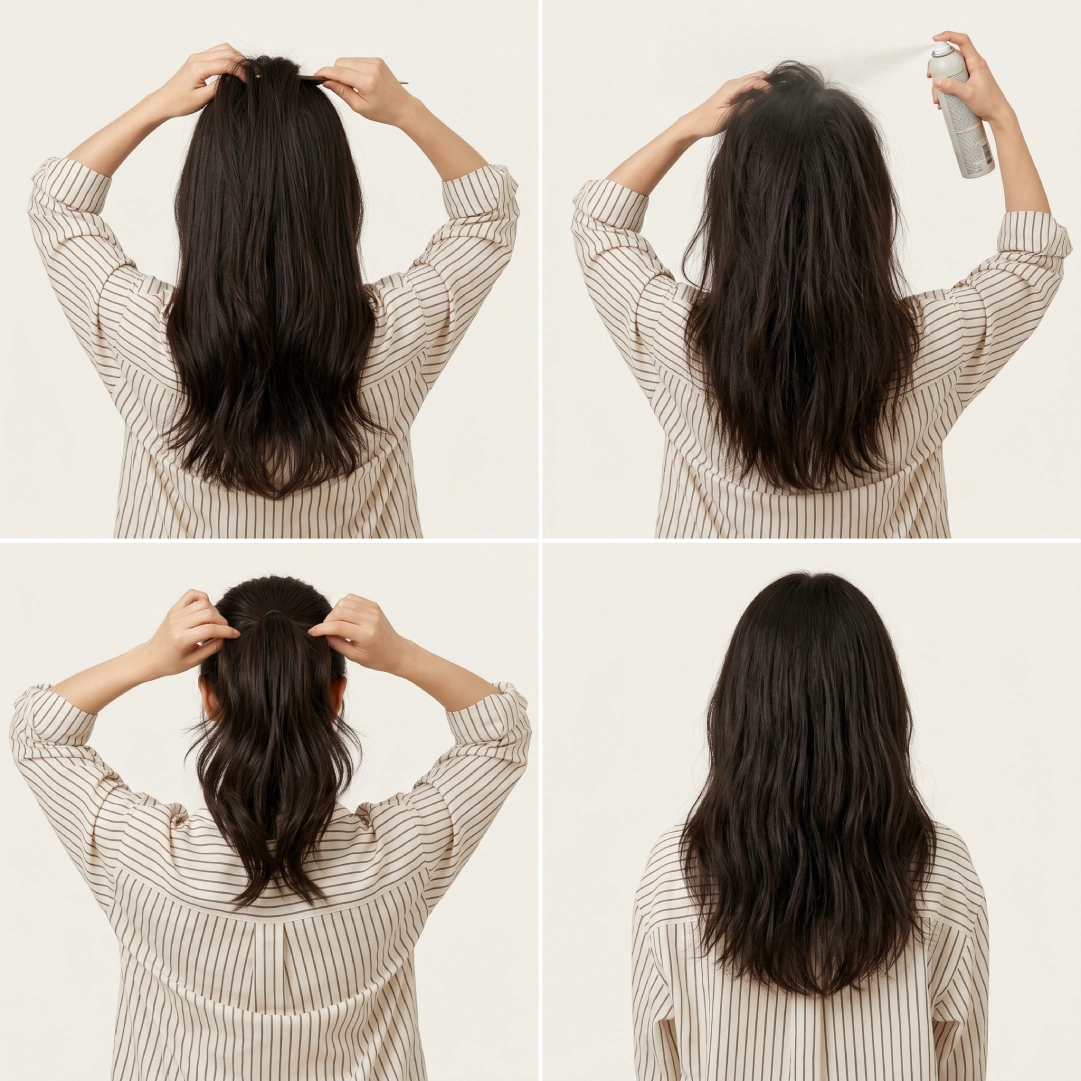
Adding volume with extensions, or wrapping a piece of hair or a ribbon around the elastic, is what turns a casual ponytail into a formal one — the details, not the base technique, do the work.
Can You Wear a High Ponytail Every Day? What You Need to Know About Hair Health
This part matters as much as the technique, even though it’s less glamorous. But wearing a tight high ponytail daily carries a real, clinically documented risk: traction alopecia, a form of hair loss caused by prolonged mechanical tension on the hair follicles.
What the research says:
A study cited by Dr. Goren et al. found that approximately 79% of women who wear a ponytail four or more times per week for at least 10 years are at high risk for ponytail-induced alopecia. The American Academy of Dermatology (AAD) confirms that hairstyles that repeatedly pull the hairline can cause permanent follicle damage if the tension isn’t relieved.
Early warning signs of traction alopecia include:
- Tenderness or soreness at the temples or hairline after wearing the style
- Small bumps or pimples along the hairline
- Progressive thinning at the temples and front hairline
- Increased shedding (beyond the normal 50–100 hairs per day)
How to wear a high ponytail safely:
- Alternate placement daily. Even shifting the ponytail 1–2 cm changes which follicles bear the tension.
- Give hair 1–2 rest days per week. Loose half up half down styles or braids are great low-tension alternatives.
- Never secure wet hair. Never secure wet hair. Wet hair stretches significantly more than dry hair and is more prone to breakage under tension.
- Swap metal elastics for fabric-covered ties or spiral coil bands — these distribute tension more evenly and reduce hair breakage at the base.
- Avoid layering extensions over a tight ponytail — the combined weight dramatically increases follicular stress.
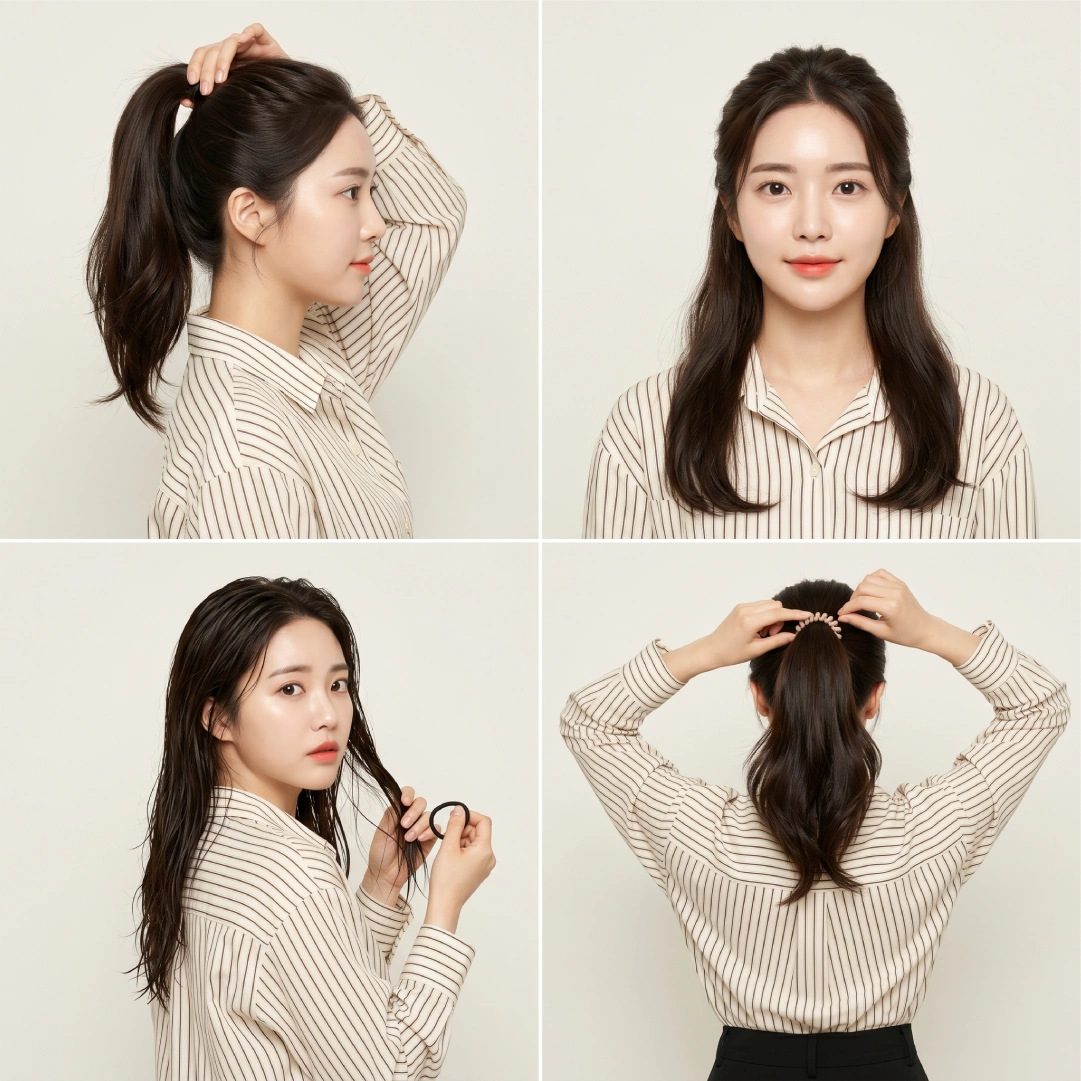
High Ponytail for Every Occasion: A Quick Reference
Not all high ponytails are created equal. The finish, tightness, and accessories you choose signal very different things depending on context.
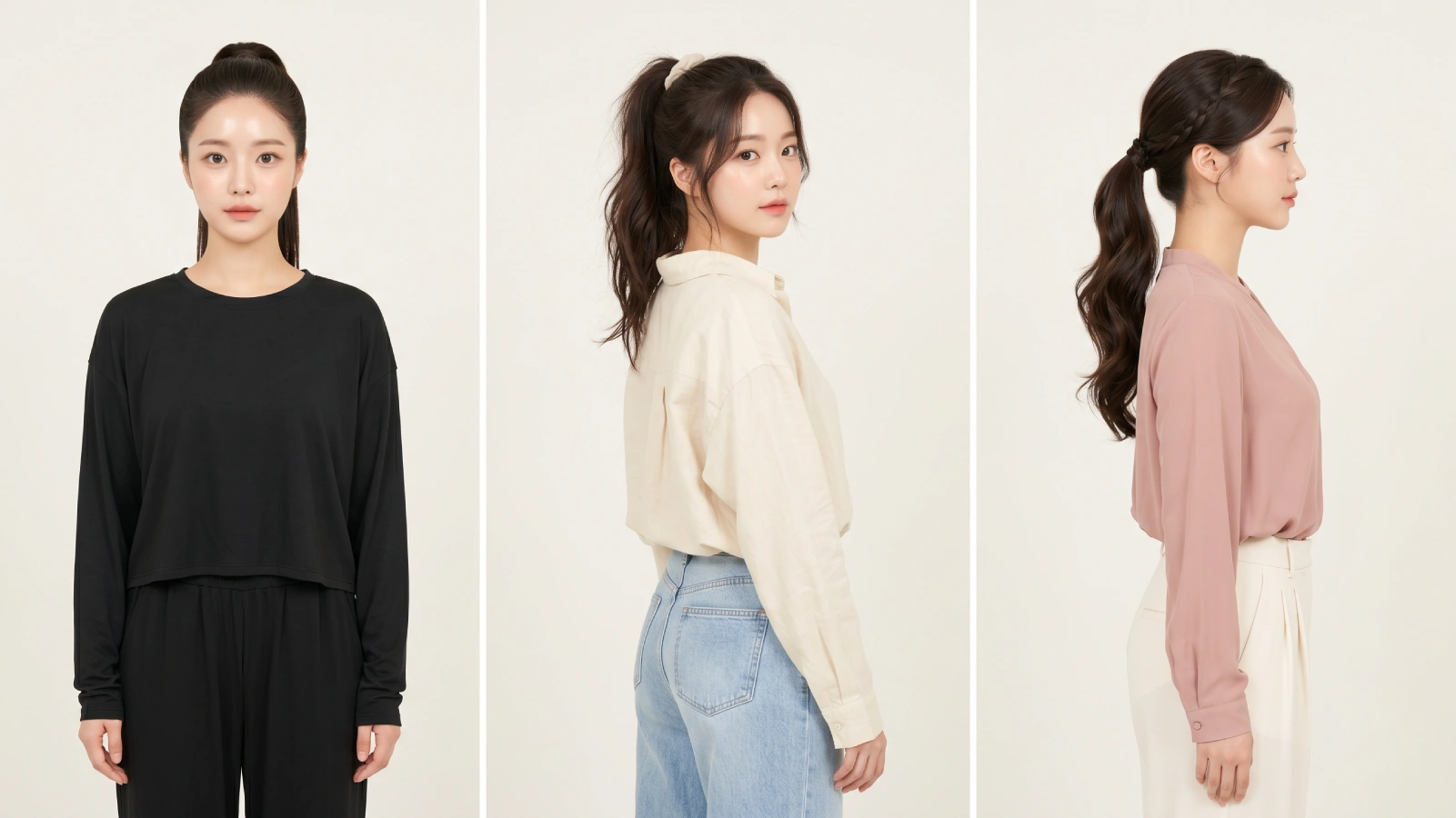
For evening events, consider updating a classic high ponytail with accessories — scrunchies, satin bows, metallic coil bands, or a sleek wrapped base add instant formality without changing the structure.
Frequently Asked Questions
A high ponytail generally creates a more youthful appearance by lifting the face and tightening the visual line of the jaw and cheekbones. The effect is stronger with some volume at the crown and a few loose face-framing pieces — a fully scraped-back, tight pony can read as harsh on certain face shapes rather than fresh. The lifted, drawn-up effect at the eyes is what gives the style its natural rejuvenating quality.
Drooping happens when the elastic loosens or when there’s not enough grip at the root. Fix it by: (1) applying dry shampoo before styling, (2) using the stacked-elastic method for a self-supporting base, and (3) finishing with a strong-hold hairspray. Avoid styling freshly washed, very smooth hair — a little texture is your best friend for lasting hold.
Yes, it can be, specifically due to the risk of traction alopecia — hair loss caused by repeated tension on the follicles. A clinical study found that women who wear ponytails tightly four or more times per week for a decade face a significantly elevated risk of hairline recession. Rotating your ponytail placement, using fabric elastics, and taking styling breaks reduce your risk considerably.
The fastest method is the stacked-elastic hack: secure the ponytail with two elastics placed close together at the base. The hair between the two bands puffs outward, creating the illusion of a fuller base. Adding a small teased section at the crown before gathering also builds volume that holds without extensions.
Yes — medium-length hair (shoulder to collarbone) gathers well into a high ponytail, especially with the help of a strong hold gel or mousse to smooth shorter layers back. For hair that’s shorter than collar-bone length, clip-in extensions clipped just below the secured base blend seamlessly and add length. The french braid combined with a small gathered pony is another smart workaround for shorter lengths that want the elevated look.
Key Takeaways
The high ponytail earns its status as one of 2026’s most dominant hairstyle trends for a simple reason: it delivers a face-lifted, elongated, polished look in under 10 minutes. But the difference between a drooping, damaging pony and a style that actually turns heads comes down to a handful of technique decisions.
Key points to remember:
- Place the ponytail at or above the crown for maximum lift; adjust height based on your face shape using the comparison table above.
- Use the stacked-elastic method and dry shampoo for volume without extensions.
- Protect your hairline by rotating ponytail placement, using fabric elastics, and scheduling rest days.
- Match the finish (sleek, textured, voluminous) to the occasion — the same high ponytail dressed differently reads as gym-ready, office-polished, or red-carpet-worthy.
- Early signs of traction alopecia (scalp soreness, hairline thinning) should be taken seriously; change styling habits immediately and consult a dermatologist if symptoms persist.
The high ponytail isn’t just a hairstyle — it’s a technique. Master the steps, respect your hair health, and it’s one of the most versatile tools in your entire styling routine.