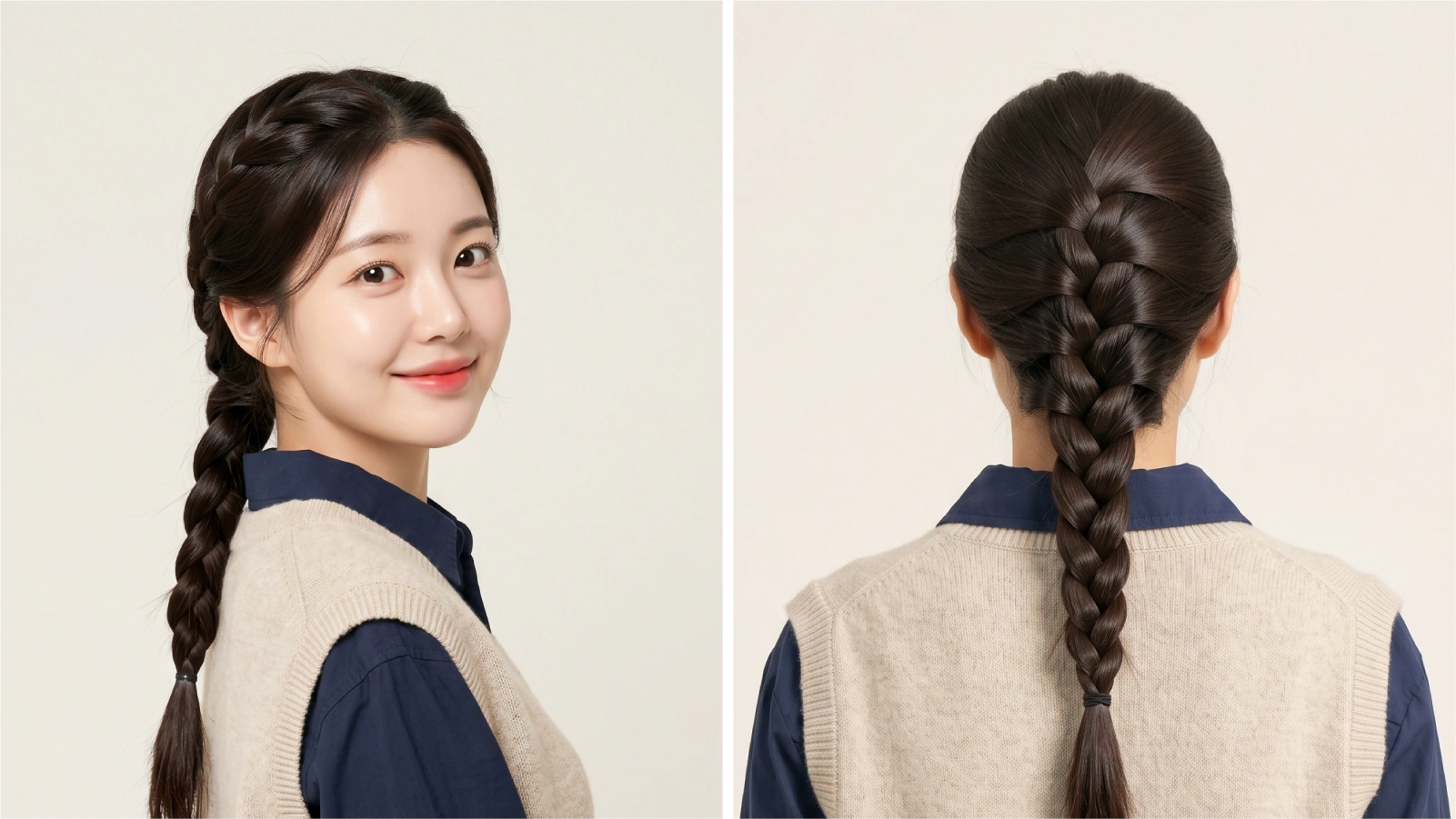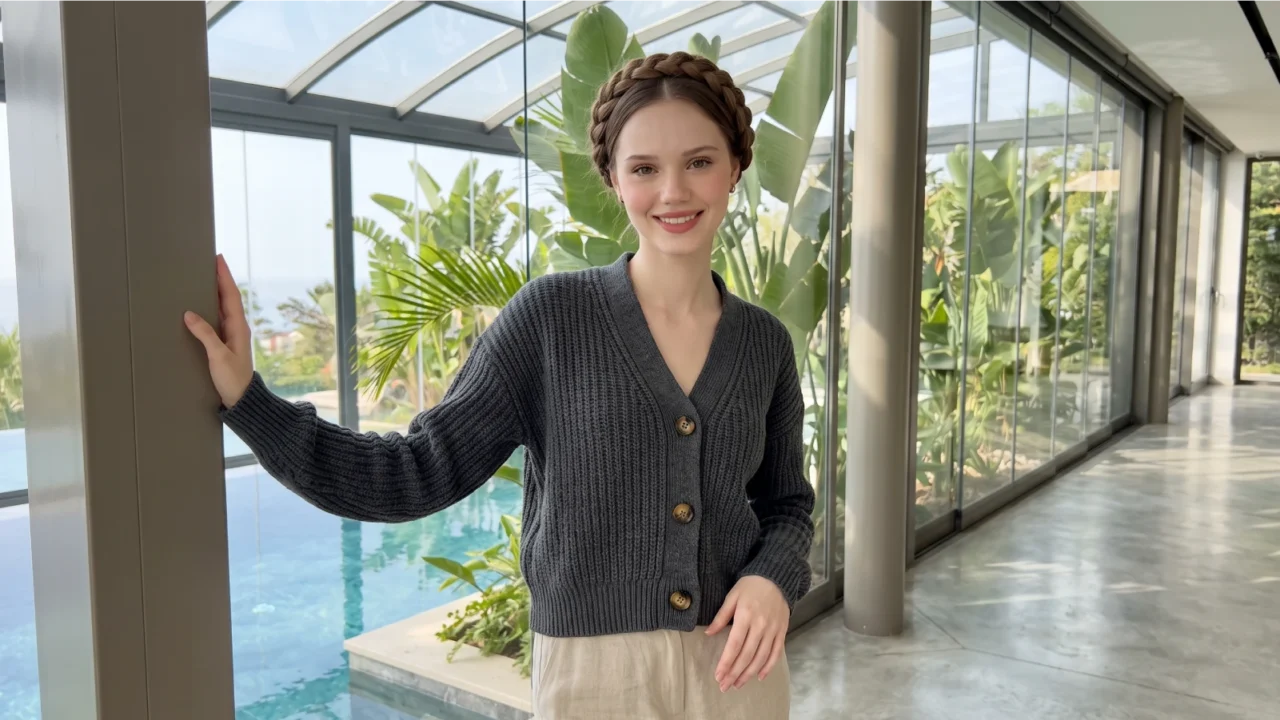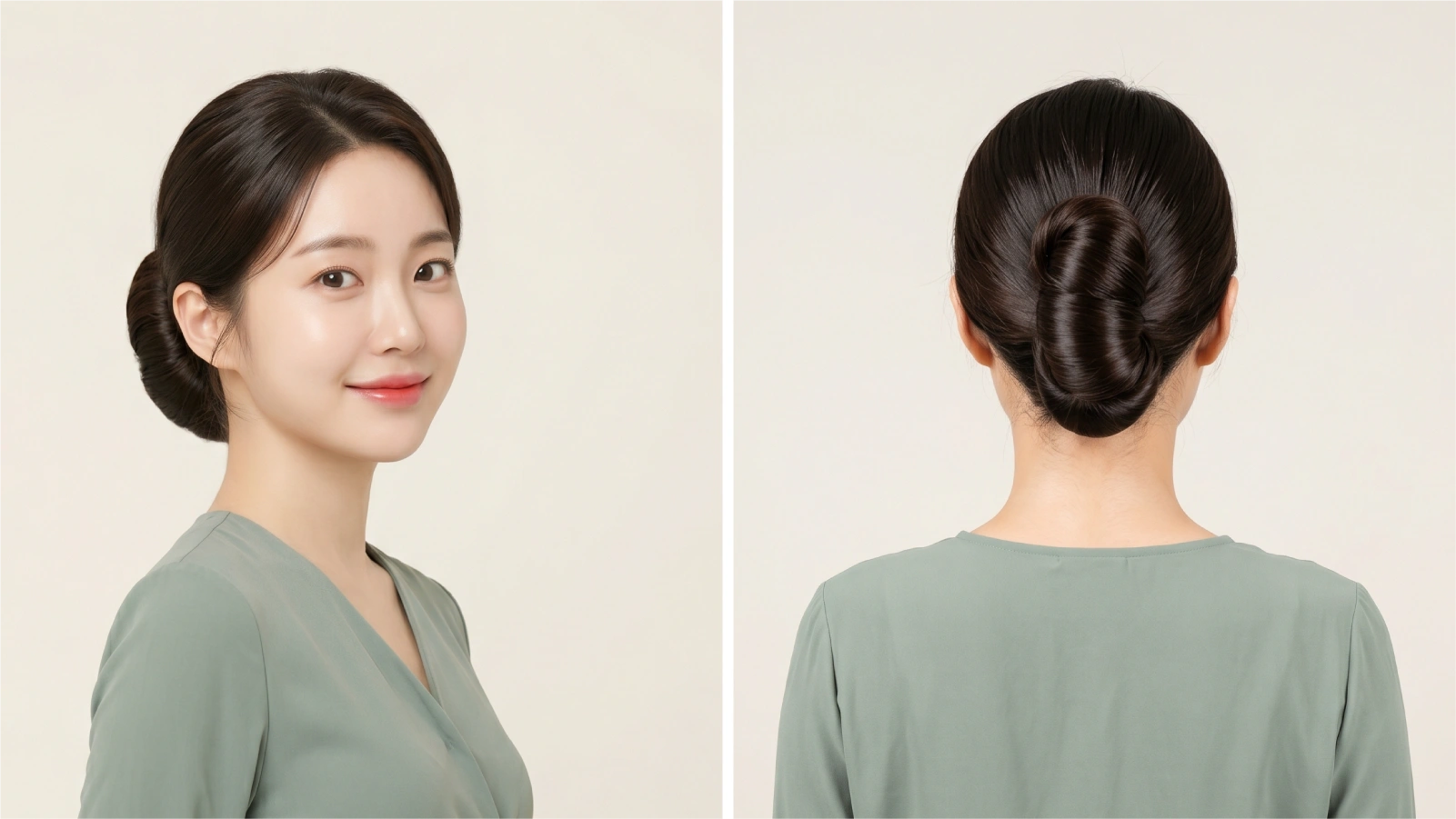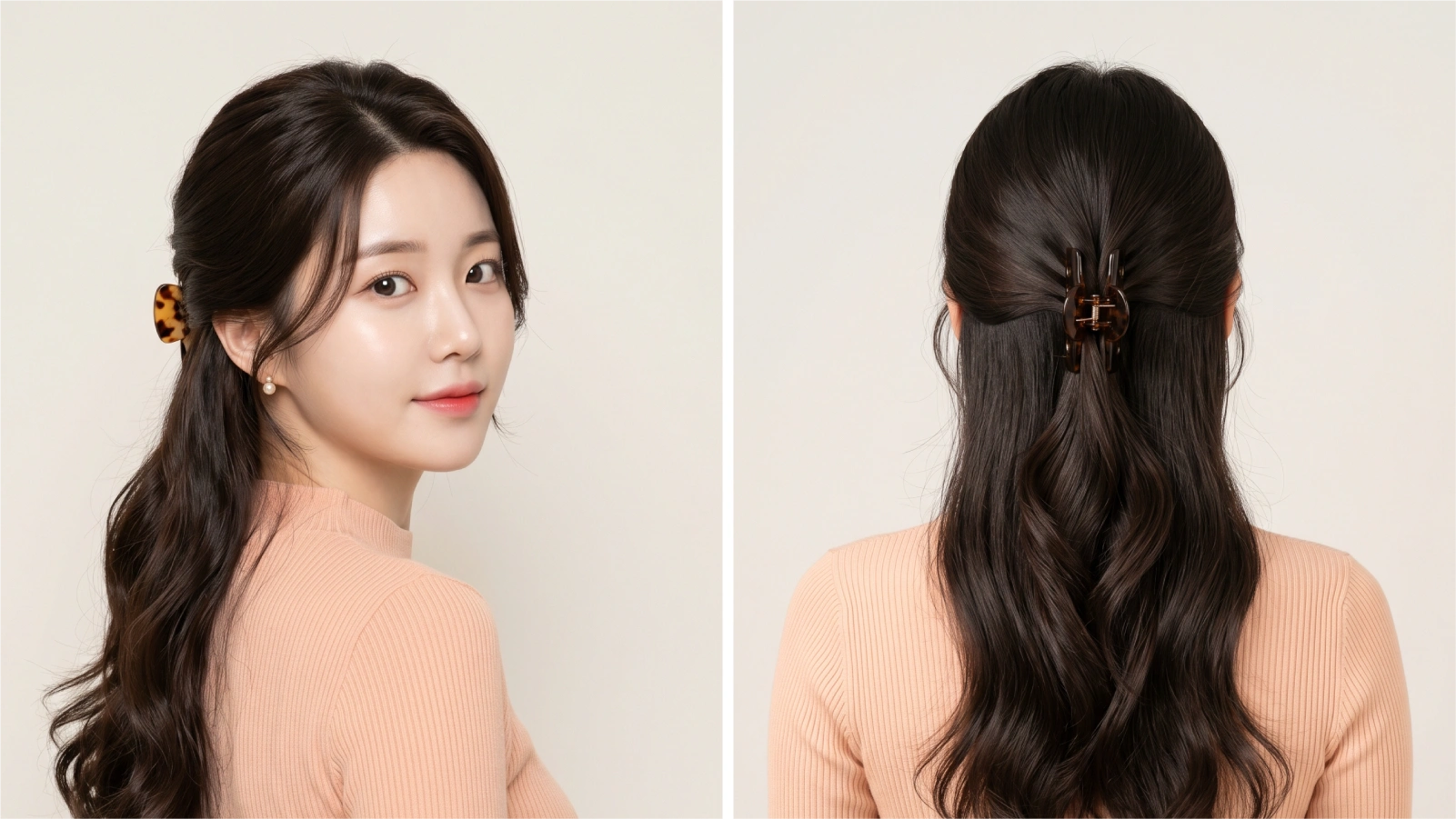
A claw clip ponytail takes under 60 seconds and causes significantly less hair breakage than a standard elastic. The secret to getting it right isn’t just gathering and clipping — it’s knowing which variation suits your hair type, which clip size holds a specific ponytail position, and one underused trick that keeps the style secure for hours.
This guide covers all four main claw clip ponytail styles, a clip-size comparison table, and expert-backed techniques drawn from celebrity hairstylists. If you’re building a full routine, it pairs naturally with a broader look at simple everyday hairstyles for women.
Style Snapshot
- A claw clip ponytail reduces tension-related breakage compared to traditional elastics, because the clip distributes pressure across a wider surface area rather than a single point
- Four distinct styles exist: high fountain, mid-height classic, low sleek, and half-up — each requires a different clip position and size.
- The topsy tail pre-step (flipping hair through itself before clipping) noticeably increases hold time for slippery or fine hair.
- Avoid using a clip smaller than 3 inches for a full ponytail — undersized clips are the #1 reason claw clip ponytails fall within the hour.
What Is a Claw Clip Ponytail, Exactly?
A claw clip ponytail is any style where the hair is gathered at a specific point on the head — high, mid, or low — and secured using a claw (jaw) clip either directly over a base ponytail or wrapped around a twisted ponytail base. It’s distinct from a French twist, which folds the hair upward. In a true claw clip ponytail, the gathered hair falls freely below or over the clip, creating a visible tail.
Celebrity hairstylist Olivia Halpin, in a guide for CVS Pharmacy, describes the effect perfectly: clipping the ponytail so hair falls over the accessory “gives a super voluminous ponytail while still having a snatched and sleek front.”
The claw clip ponytail is the only updo that simultaneously lifts the roots, protects the ends, and takes less time than boiling water.
How Do I Choose the Right Claw Clip Size for a Ponytail?
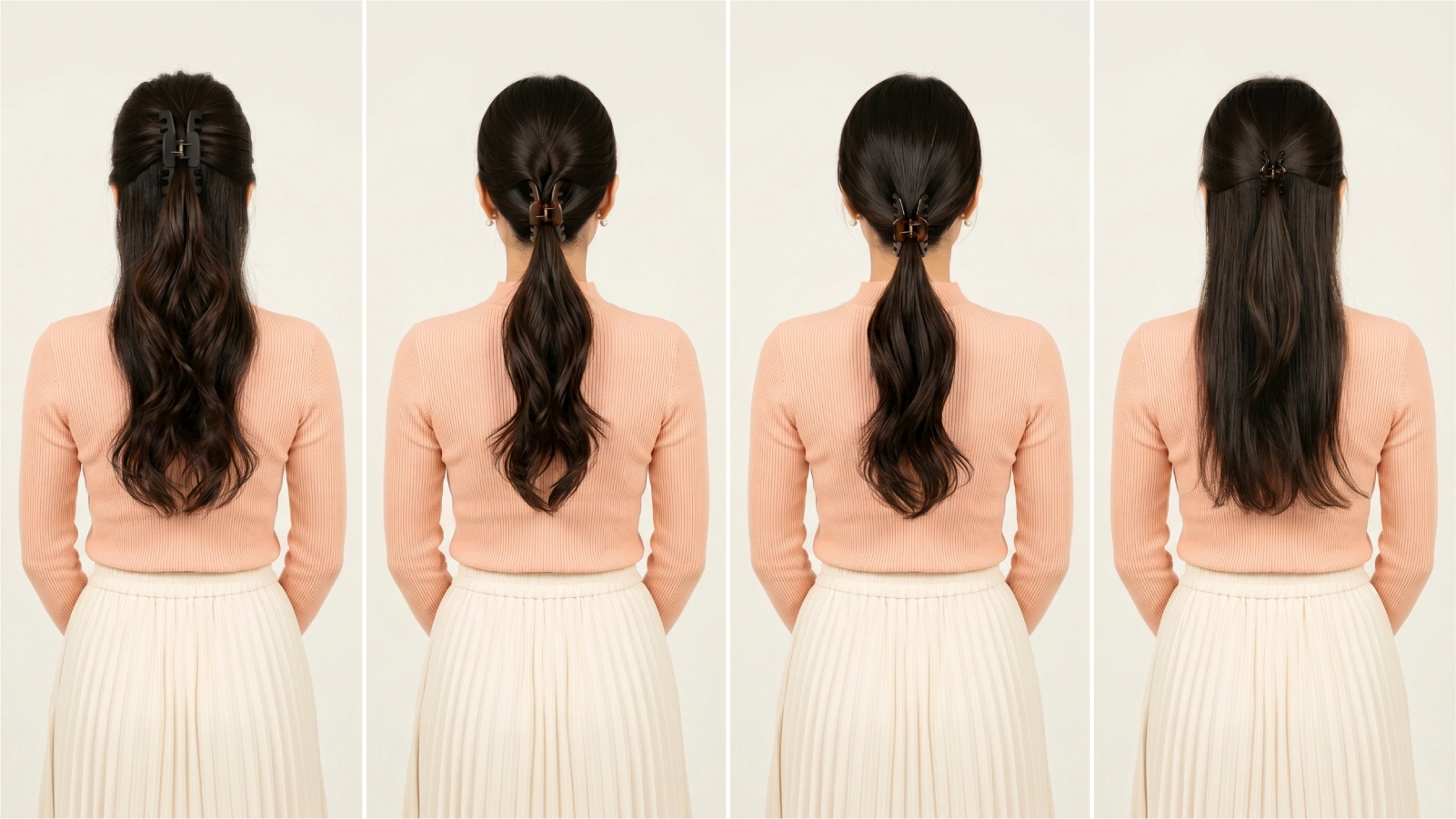
Clip size is the make-or-break variable. Too small and the clip pops open under tension; too large and it slides down silky strands.
Here’s the breakdown mapped specifically to ponytail position, so you can match the clip to where you’re actually wearing the style.
Key material note: Traditional plastic clips snap under thick-hair tension. Nylon-reinforced clips (like TELETIES’ proprietary blend) and cellulose acetate options flex instead of fracturing — a meaningful difference for daily use.
For a high ponytail with thick hair, use a clip no smaller than 3.5 inches — anything less will pop open under the weight of the gathered hair.
How Do You Do a Claw Clip High Ponytail?
The high claw clip ponytail — sometimes called the “Barbie ponytail” in styling circles — is the most searched variation because it adds instant height and volume without heat. Here’s the technique that actually holds:
Step-by-step: High Fountain Ponytail
- Brush or finger-comb hair upward toward the crown of the head.
- Secure the gathered hair with a no-snag elastic at your desired height.
- Leave a half-inch of space between the elastic and your scalp — this gap is your grip zone.
- Push your index and middle finger straight down through that gap to create a small loop.
- Flip the ponytail up and over the elastic, threading it through the loop toward the scalp (this is the topsy tail move).
- Open a large claw clip and clamp it over the elastic zone, with the clip’s body resting against the back of the head.
- Pull the clip tight and release — the teeth grip the topsy-tailed base, not just the ponytail itself.
- Fan the hanging hair slightly and pull two face-framing strands loose at the temples.
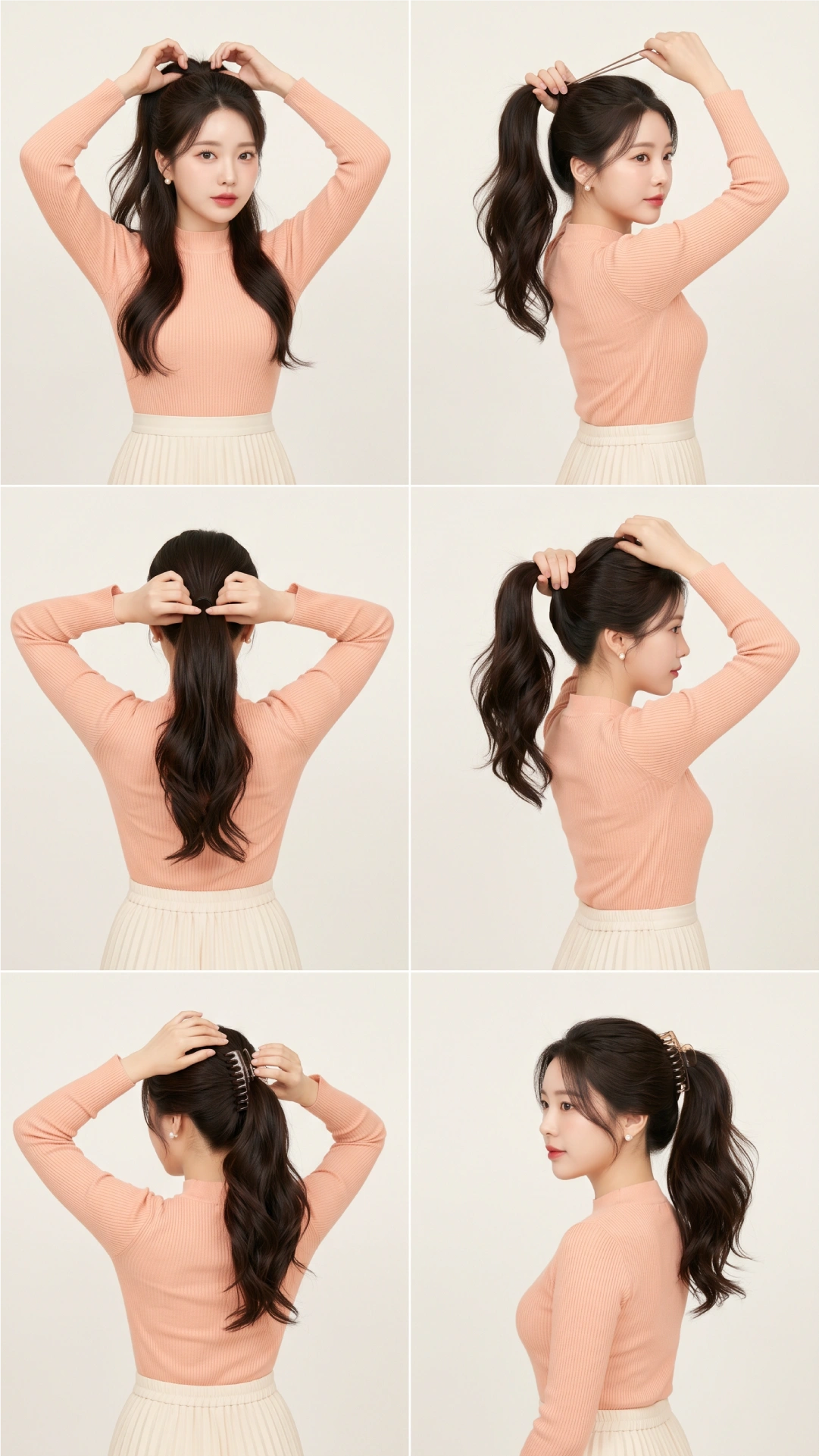
The topsy tail step is the key move — it anchors the clip against the scalp instead of relying on hair-grip alone, which is why this version holds for hours without readjustment.
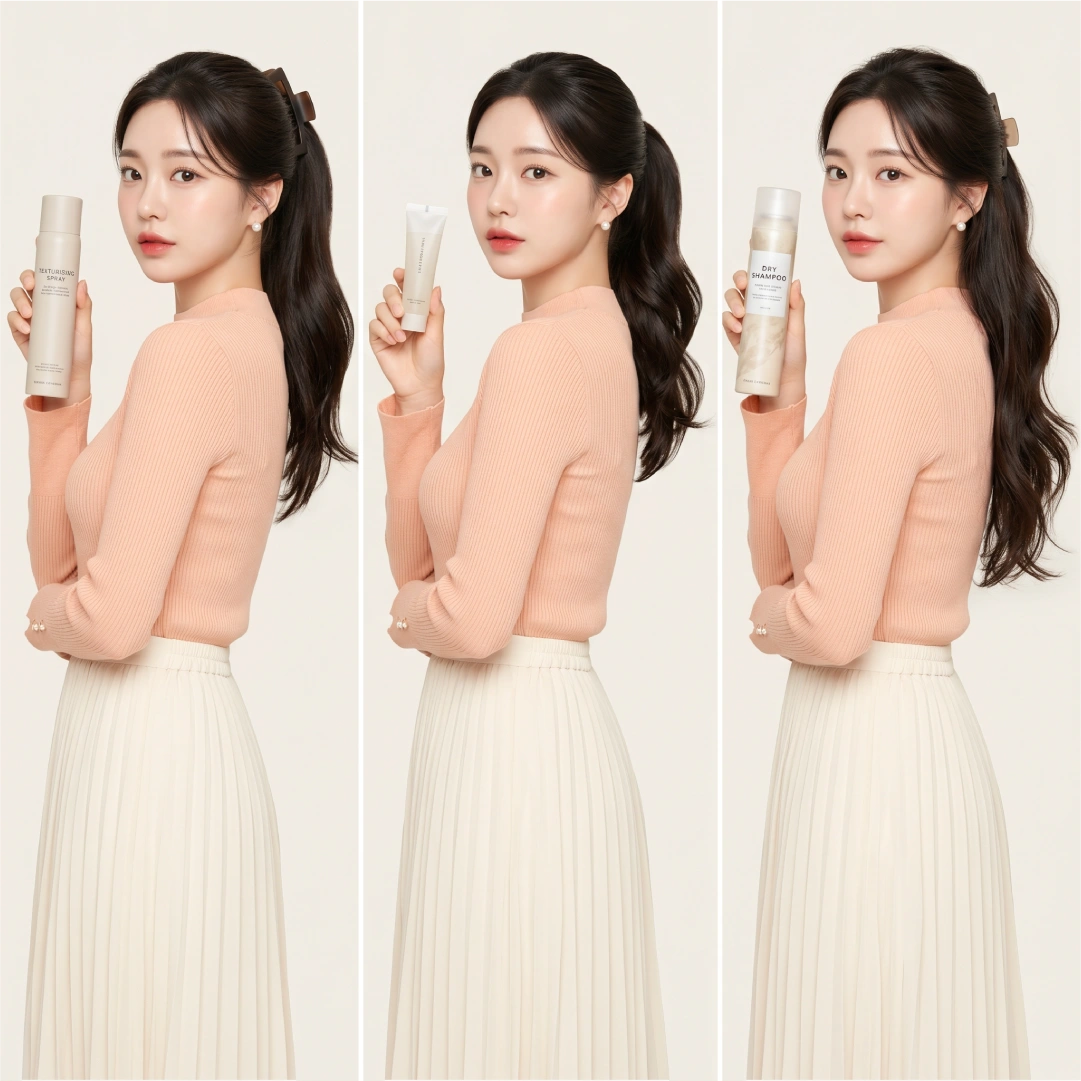
Products to prep with:
- Texturizing spray: Prevents silky hair from sliding through the clip teeth
- Light-hold gel: Applied to the hairline for a sleek, lifted look
- Dry shampoo: Adds grip on second-day hair (which actually holds better than freshly washed)
The Knot-and-Clip Method (better all-day hold):
This is an underused method worth knowing. Instead of a simple twist, tie your hair into a loose overhand knot just below where you’d place the clip. Press the knot flat against your head and clamp the clip across the center.
The knot creates structural resistance the clip teeth can really grip — so it stays put even on silky, freshly washed hair.
- Best for: fine or slippery hair that won’t stay in a standard twist
- Clip size needed: medium or large so it spans the full knot width
- Finish: pull the loose ends of the knot to fluff it slightly, then fan the tail over the clip

Which Claw Clip Ponytail Works Best by Occasion?
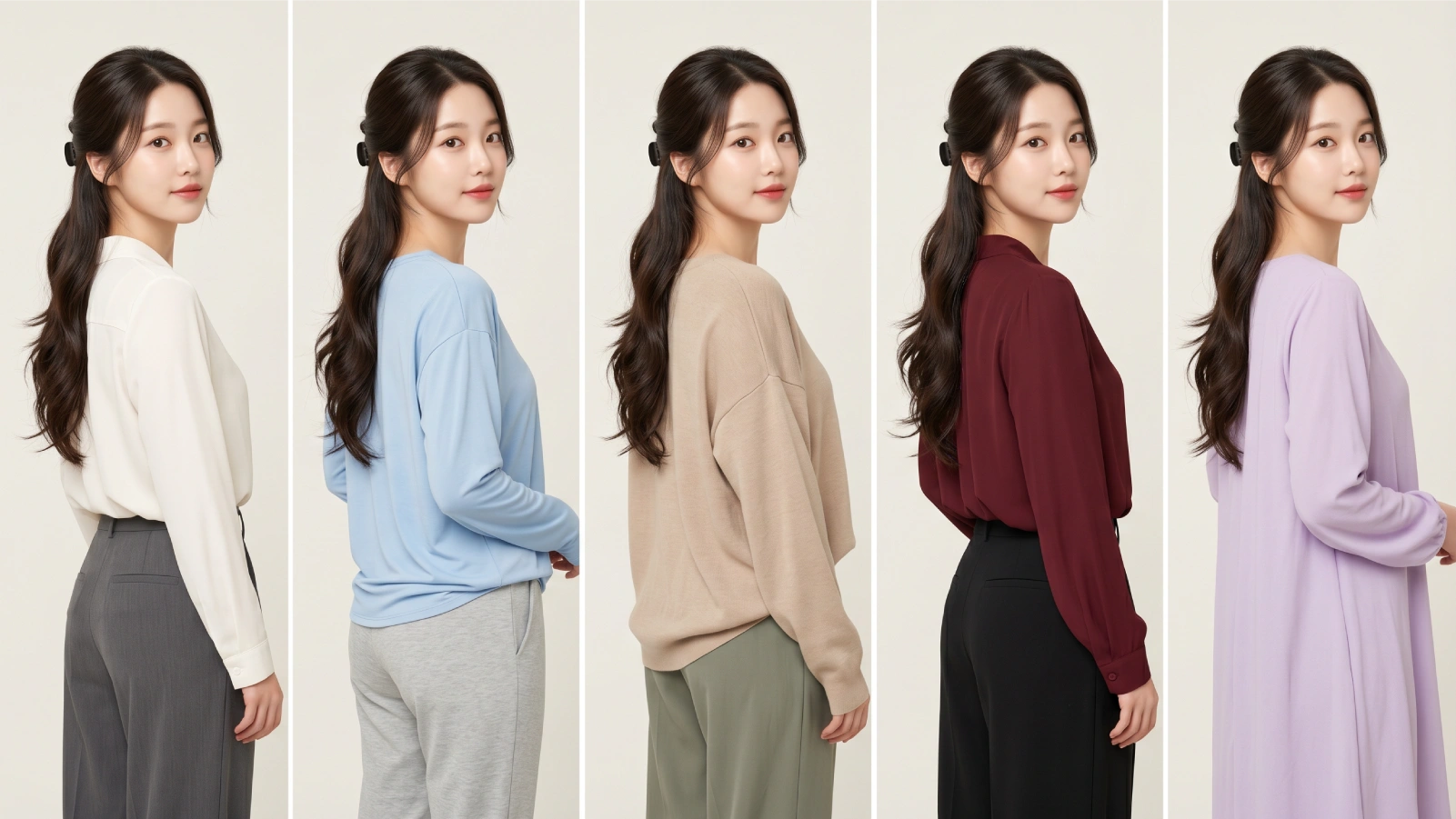
Here’s the occasion-fit guide:
For the sleek low ponytail variation — gather all hair at the nape, smooth flyaways with a boar bristle brush and a light mist of hairspray, then clip with a medium claw clip. Let about an inch of the base show beneath the clip for a modern, intentional look rather than a hidden one.
A low claw clip ponytail at nape level is the single most versatile formal-to-casual hairstyle a woman can execute without a mirror.
Can You Do a Claw Clip Ponytail on Short Hair?
Short hair — anywhere from chin to shoulder length — can absolutely pull off this style. The trick is adjusting placement and clip size.
- Chin-length hair: Only the crown section has enough length to gather. Go half-up, securing just the top two inches of hair at the crown with a mini claw clip. Let the rest fall freely — it reads as intentional, not incomplete. A small clip (1–1.5 inches) is all you need here.
- Shoulder-length hair: You have enough for a full low ponytail. Skip the elastic, gather everything to the nape, give it a gentle half-twist, and clip. The ends will just peek over the top — charming, not messy. A medium clip (2–3 inches) handles this length cleanly.
- Bob (jaw-length): Use two mini claw clips on either side for a double-clip ponytail look, framing the face while keeping the nape clear. Two mini clips (1–1.5 inches each) are ideal.

For a polished finish on shorter lengths, explore the low ponytail variation — it requires the least hair length and works beautifully with a medium clip.
Troubleshooting: Why Does My Claw Clip Ponytail Keep Falling?
This is one of the most common complaints about the style — here’s exactly what causes it and how to fix each cause:

Common causes and fixes:
- Clip is too small: The #1 culprit. Upgrade to the next size up.
- Hair is too freshly washed: Clean hair is slippery. Use dry shampoo or texturizing spray before styling.
- Skipping the elastic base: On thick or long hair, always use an elastic first; the clip alone can’t handle the weight.
- Clip teeth facing the wrong direction: The clip’s teeth should face into the gathered hair, not outward. Clamping from the top with teeth downward gives maximum grip.
- Wrong clip material: Smooth plastic slides on smooth hair. Switch to a clip with silicone-coated teeth or rubber-gripped interior teeth.
- Ponytail position too high for hair thickness: Very thick hair pulled to crown level creates significant downward weight. Drop the position slightly toward mid-height.
For a textured ponytail variation — lightly backcomb the gathered section before clipping — the added texture gives the clip’s teeth more to grip, solving the slip problem on fine and straight hair simultaneously.
Frequently Asked Questions
Yes, in most cases. Claw clips distribute holding pressure across multiple contact points rather than concentrating it in one wrap, which reduces the localized tension associated with elastic-caused hair breakage and the classic “ponytail indent.” However, clips that are too tight or too small can create their own pressure points — sizing correctly is key.
For a full ponytail with thick hair, use a large clip between 3.5 and 5 inches. Look for reinforced or nylon-construction clips with a strong spring mechanism; standard plastic will snap under the load of dense hair, particularly at a high ponytail position.
Yes, but only for medium or fine hair at a low to mid-height position. On thick or long hair, always secure with a no-snag elastic first, then clip over it. The elastic acts as a structural anchor — the clip becomes a finishing and volume tool rather than the sole point of tension.
Three techniques work best: (1) lightly backcomb the crown section before gathering, (2) use the topsy tail flip described in the high ponytail steps above to push the base upward, or (3) clip slightly below the center of the gathered ponytail rather than at the very base — this lets the hair fan above the clip for a fuller silhouette.
Absolutely — the claw clip is actually the most authentic tool for the 90s mid-height ponytail. The original 90s version involved a clip placed at the base of a mid-height pony, often with the ends slightly flipped or curled. For accuracy, use a classic tortoise-shell oversized clip and pull out two face-framing strands at the temples.
Key Takeaways
The claw clip ponytail isn’t one style — it’s four, each suited to different hair types, lengths, and occasions. Here’s what to take away:
- Match clip size to ponytail position: large (3.5–5″) for high; medium (2–3.5″) for mid; medium-large for low
- Use the topsy tail pre-step on fine or slippery hair for all-day hold
- Always use an elastic base on thick or long hair before adding the clip
- Texturizing spray is the single best product investment for clip grip on clean hair
- A low ponytail is the most forgiving starting point for beginners, fine hair, and professional settings — and the easiest to get right on the first try.