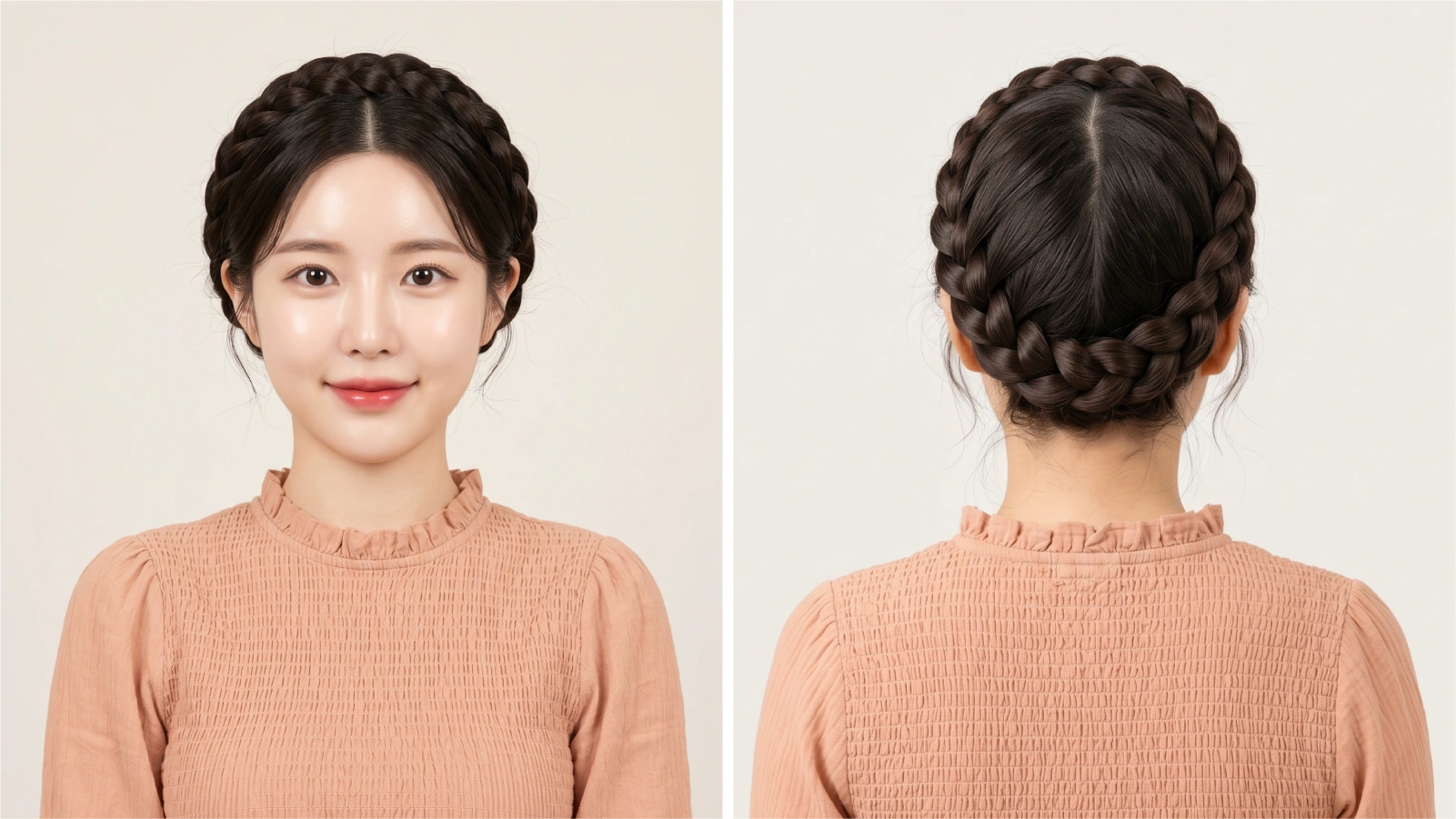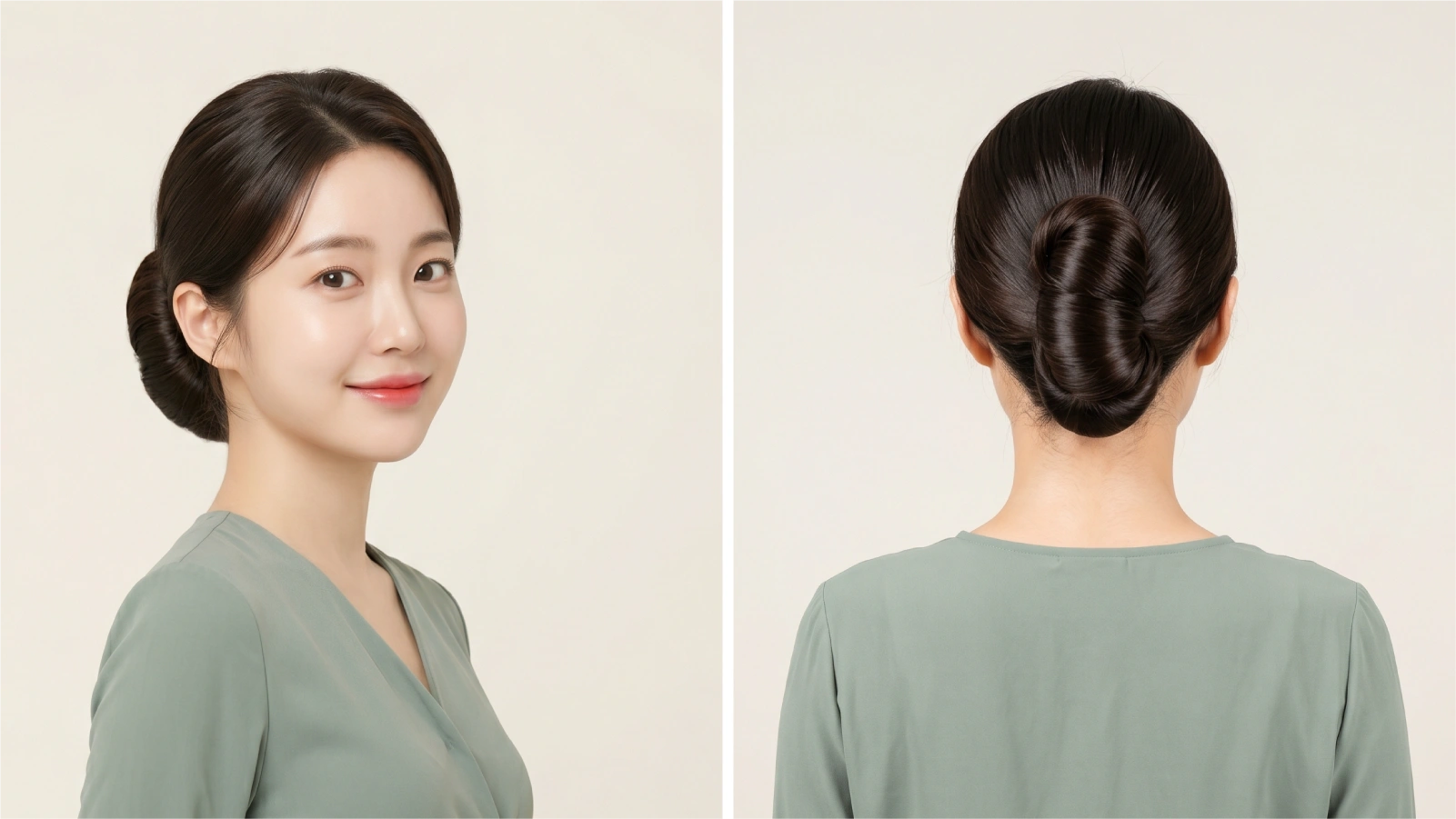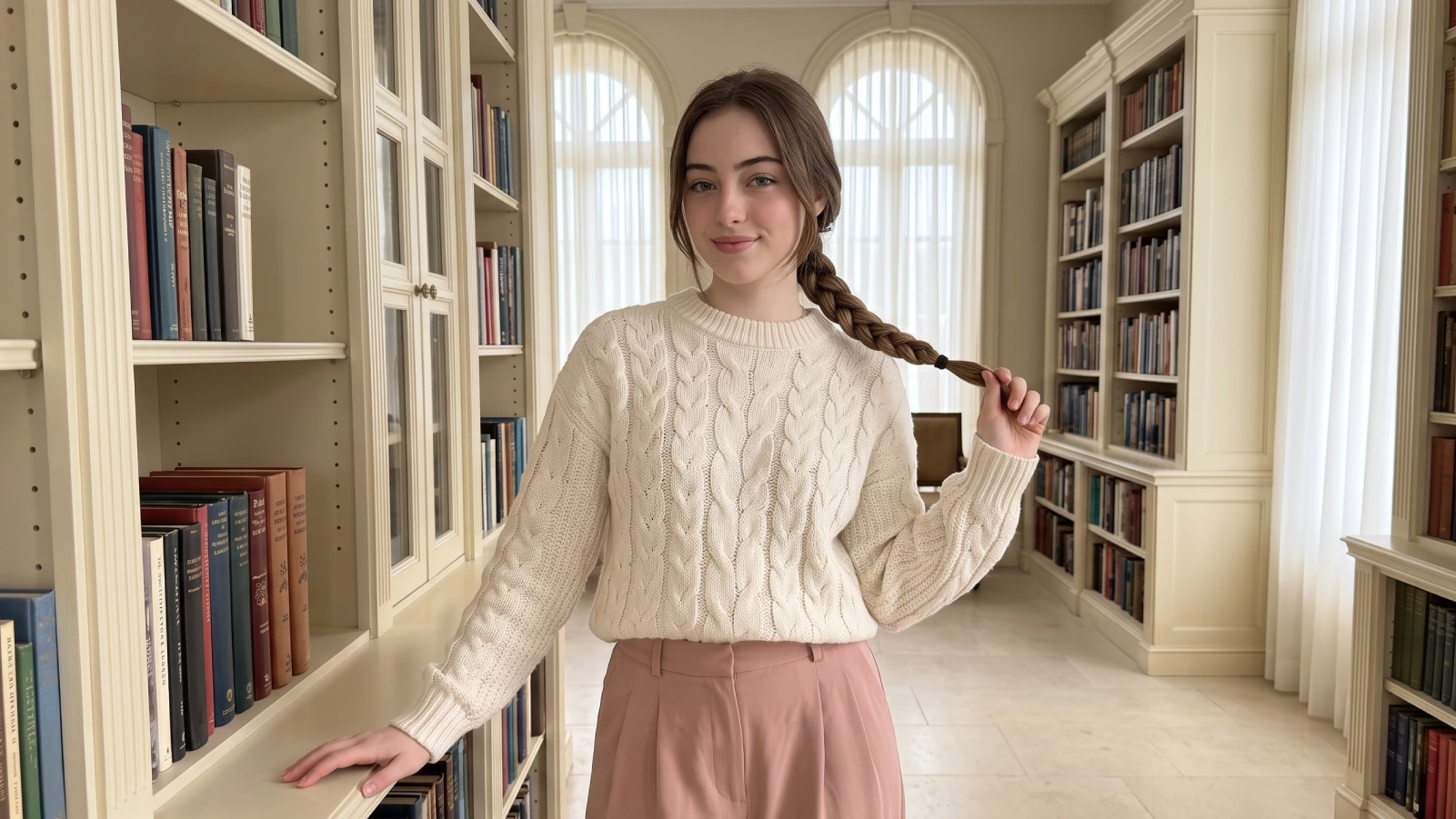
A rope braid is a two-strand style made by twisting each section in the same direction, then wrapping those two sections around each other in the opposite direction. That opposite-direction wrap is the whole trick: it creates the tension that locks the braid instead of letting it spin loose.
It looks like a thick, rounded cord rather than the flat weave you get from a three-strand braid, and it takes maybe two minutes once your hands know the motion. It also holds well on layered hair that slips out of a standard three-strand braid.
Below you’ll get the step-by-step method, the real reason rope braids unravel and how to stop it, four variations worth wearing, and how much tension is actually safe for your hairline. If you’re building a rotation of easy hairstyles for women, this one earns its spot fast.
Style Snapshot
- Twist both sections in the same direction, then cross them in the opposite direction. Reversing either half is why most attempts fall apart.
- Rope braids hold better on day-old or slightly textured hair than on freshly washed, silky hair.
- Two rope braids slept in overnight give you soft heatless waves by morning.
- Keep the base loose enough to slide a finger under it, since constant pulling at the hairline is a known cause of hair loss.
How do you do a rope braid step by step?
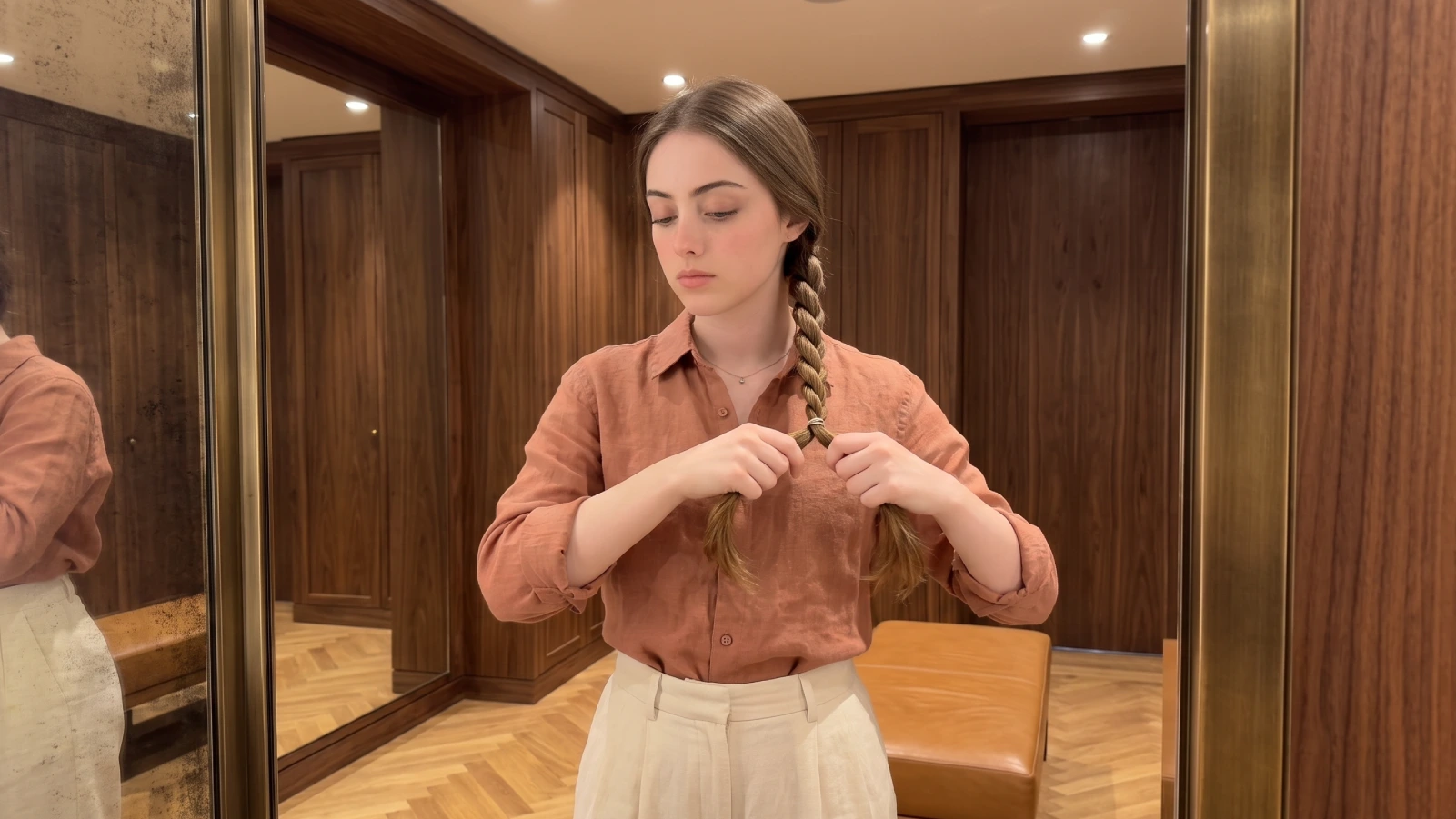
Split your hair into two equal sections, twist each one clockwise, then wrap them around each other counterclockwise. Repeat to the ends and tie off. That’s the entire method, and it’s easier to feel than to watch in a mirror.
Start with a ponytail if you’re new to it. A secured base stops the top of the braid from untwisting while you work down the length.
What you need:
- One or two small clear elastics
- A brush or wide-tooth comb
- Texturizing spray or dry shampoo if your hair is freshly washed
- A light-hold hairspray to finish, though it’s optional on textured hair
Step-by-step method:
- Brush hair fully so there are no knots, then gather it into a high, mid, or low ponytail and secure it.
- Split the ponytail into two even sections, one in each hand.
- Twist each section in the same direction, roughly three or four rotations. Both go clockwise, or both go counterclockwise. This is where most people go wrong, since your hands naturally want to twist them opposite ways.
- Cross the two sections over each other in the reverse direction of your twist, keeping tension in both hands as you swap them.
- Repeat in small alternating moves: twist, cross, twist, cross. Short passes give a tighter, more even rope than twisting everything first.
- Secure the ends with a small clear elastic, then gently tug the outer edges to widen the braid if you want more volume.
If you’d rather the braid start at your crown and pick up hair as it travels, add small pieces to each section before every cross. That’s the rope version of a classic French braid, and it sits flat against the head.
Why does my rope braid keep unraveling?
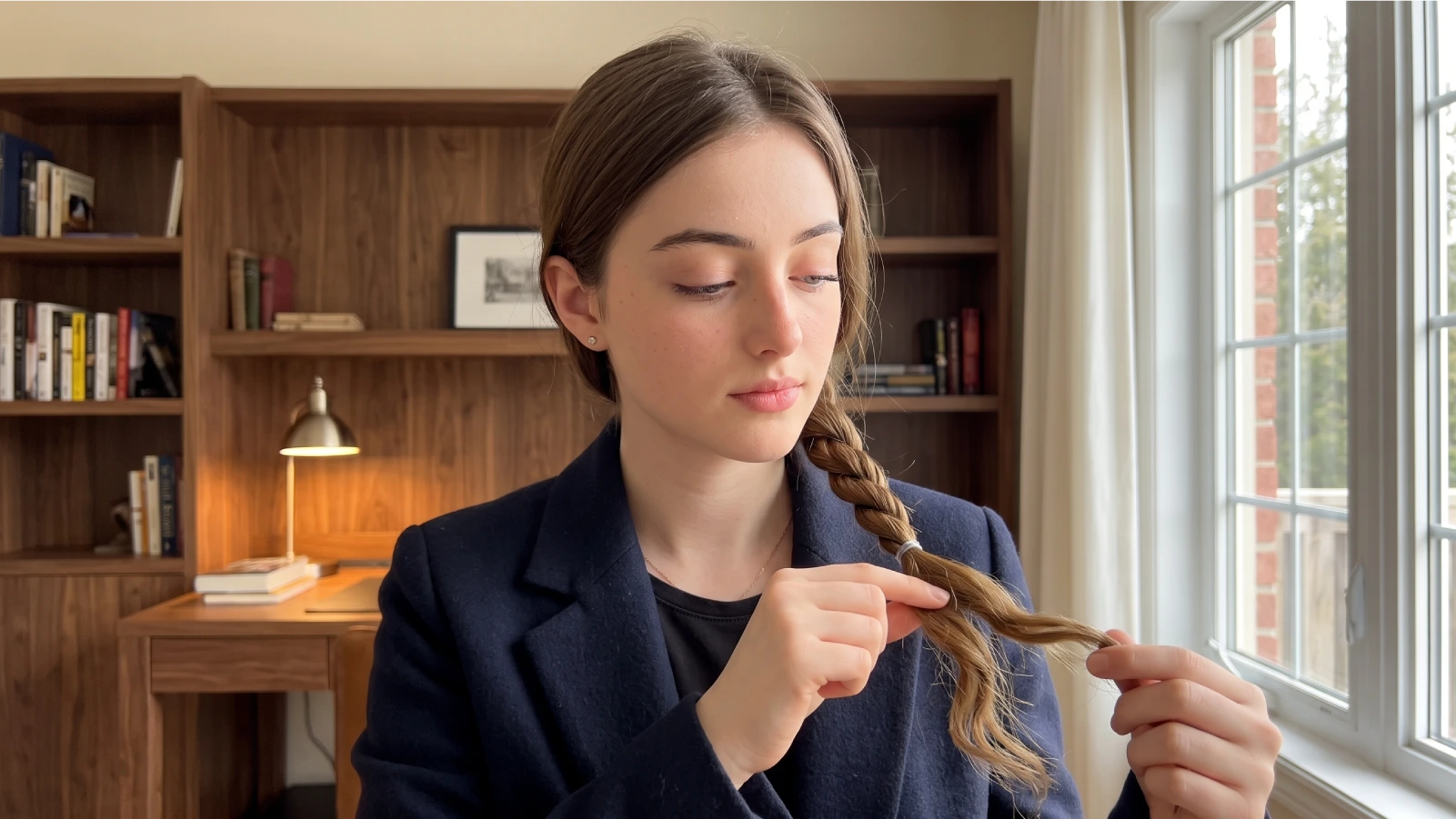
Because one of the two directions is wrong, or your hair is too slippery to hold friction. A rope braid isn’t woven, so nothing physically interlocks. It stays put purely from opposing tension between the twisted strands and the wrap.
Freshly washed hair with conditioner or silicone slip is the hardest to rope braid. Day-old hair, air-dried texture, or a light mist of texturizing spray gives the strands something to grip.
Quick fixes when it won’t hold:
- Check your directions. Both sections twist the same way; the wrap goes the other way. If you’re mirroring what you see in a mirror, close your eyes and go by feel.
- Anchor the top. Start from a ponytail or a small elastic so the base can’t spin free.
- Over-twist slightly. Add one extra rotation per section beyond what feels necessary, because the braid relaxes as you go.
- Work in short passes. Twist a little, cross a little. Long twists slacken before you get them wrapped.
- Skip heavy oils at the mid-lengths on styling day. Grip matters more than shine here.
If your rope braid slips out within an hour, it isn’t your technique. It’s friction. Texture the hair first and the same twist will hold all day.
What are the best rope braid variations?
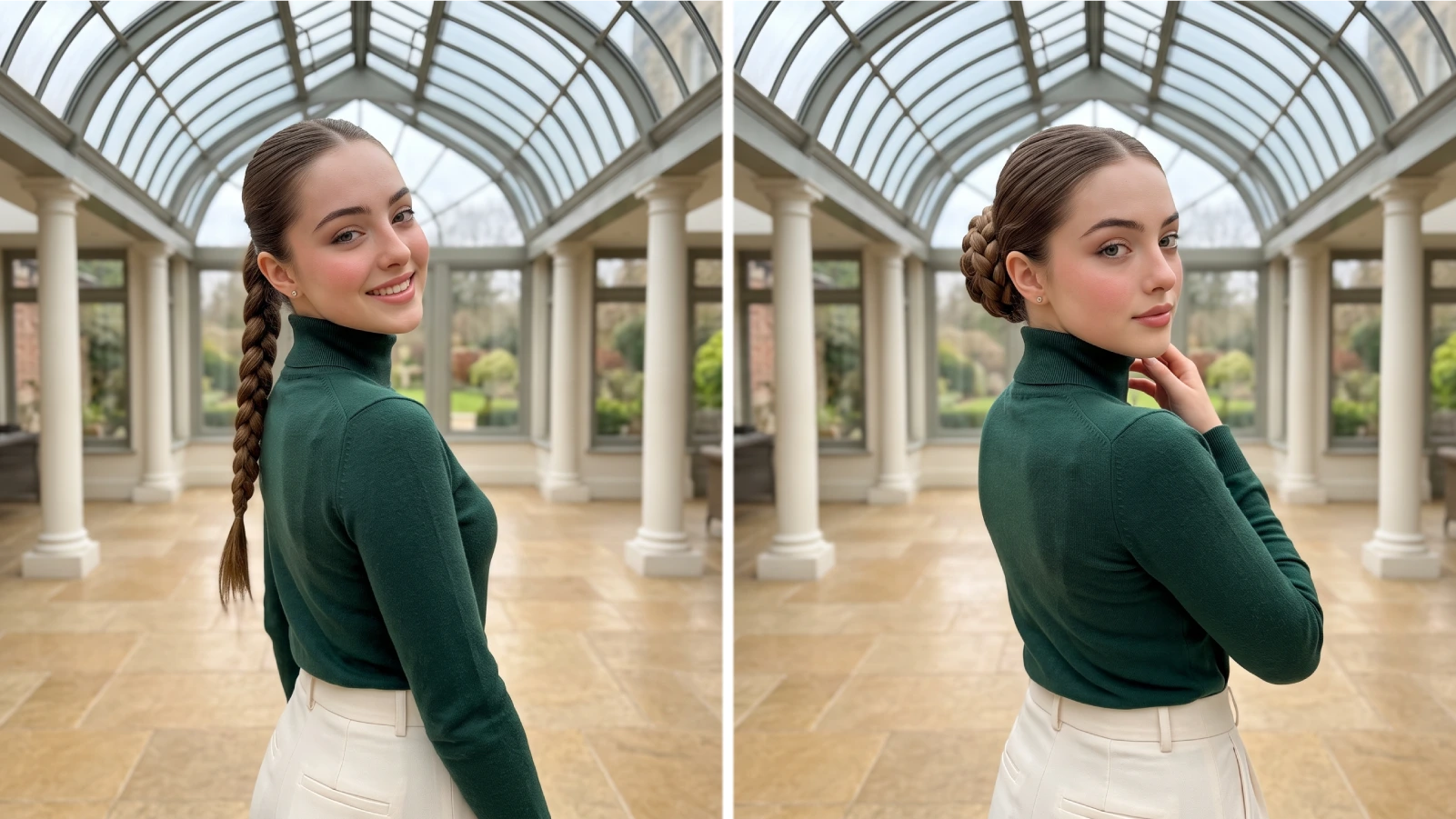
The rope twist adapts to almost any base style, which is what makes it more useful than a one-off tutorial suggests. Change the starting point and you change the whole look without learning a new motion.
Here’s how the four most wearable versions compare:
The rope bun is the sleeper pick. Rope the ponytail first, then coil the finished braid around its own base and pin it. It’s the textured version of a standard twisted bun style, built on the same coil-and-pin finish.
Two rope pigtails also double as an overnight setter. Braid slightly damp hair before bed, sleep on it, and unravel in the morning for loose S-waves with no heat. It’s a gentler alternative to the tighter crimp you’d get from sleeping in Dutch braiding.
Fine hair does best with the ponytail and pigtail versions, where the elastic base carries the weight instead of your pins. Thick or long hair suits the crown and bun versions, since the extra density gives the coil something substantial to hold its shape.
Is a rope braid safe for daily wear?
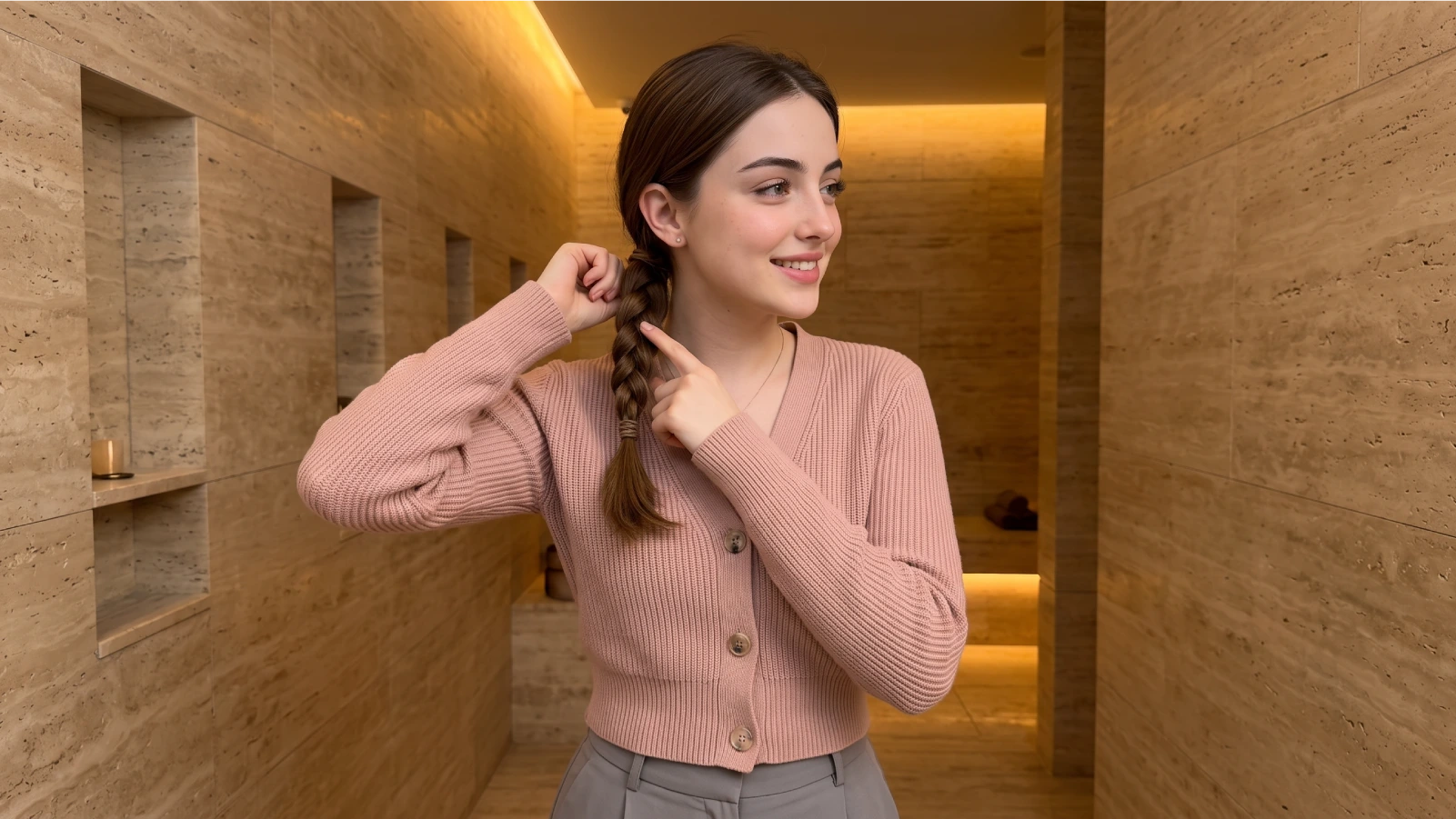
Yes, as long as the base isn’t tight. Rope braids are lower-manipulation than most styles because you’re twisting rather than repeatedly pulling sections across each other, and there’s no small-section tension at the scalp unless you create it.
The risk isn’t the braid itself, it’s the elastic and how hard you pull at the roots. According to the American Academy of Dermatology, hairstyles that constantly pull at your hair can damage it over time and lead to hair loss called traction alopecia, and the hairline is one of the first places it shows.
Simple habits that keep it safe:
- Leave enough slack at the base to slide a finger underneath comfortably.
- Use fabric-covered or coil elastics instead of thin rubber bands.
- Alternate your part and ponytail height so you’re not stressing the same spot daily.
- Take it down if you feel tenderness or see small bumps along your edges.
Fine or chemically treated hair needs the lightest hand here, since a weakened hair shaft breaks before the follicle ever complains. On those textures, a low, loose rope sits far kinder than a high one.
Frequently Asked Questions
A regular twist just wraps two untwisted sections together, so it loosens quickly. In a rope braid, each section is twisted first and then wrapped the opposite way, which binds the hair tighter and keeps it from unwinding partway down.
Yes, down to about chin length, though it works best from the shoulders down. On shorter hair, rope a small front section as a face-framing accent instead of trying to braid all of it into one length.
Not when worn loosely. There’s less pulling than in tight cornrows or high tension styles, but any braid worn tight every day can stress the hairline. Loose base, gentle elastic, and rest days keep it safe.
Both sections go the same direction, and the wrap goes the opposite direction. Clockwise twists with a counter-clockwise wrap, or the reverse. It only matters that the two directions oppose each other.
The Takeaway
- The rope braid is two sections twisted one way and wrapped the other way, and nothing else.
- Unraveling is almost always a direction error or hair that’s too slippery to grip.
- The same twist gives you a ponytail, pigtails, a halo, or a textured bun.
- Keep the base loose and rotate your part to protect your hairline.
Once the twist feels automatic, try it as a stacked style: a few bubble braid sections below a roped top gives you two textures in one ponytail.