Bleached hair needs a moisture-first routine: gentle sulfate-free washing, weekly deep conditioning, bond or protein support, and much less heat. Bleach lightens color by prying the cuticle open and oxidizing the proteins inside each strand.
So good hair care for bleached hair is really about rebuilding strength and sealing moisture back in. That damage is structural, not just surface-level, which is why ordinary shampoo and conditioner usually fall short.
Below you’ll find a simple routine, the products worth your money, the DIY fixes that are overhyped, and the habits that stop further breakage, all designed to slot into your everyday hair care routine. The right routine won’t reverse bleaching, but it keeps hair softer, shinier, and less prone to snapping.
Treat everything here as general guidance and a starting point, not a fix for serious hair loss or scalp problems.
Quick Take
- Wash less often with a sulfate-free, moisturizing shampoo, and always follow with conditioner to fight the dryness bleach leaves behind.
- Deep condition weekly and add a protein or bond treatment every one to two weeks to rebuild strength, not just soften the surface.
- Cut heat styling, use a heat protectant when you must, and switch to a microfiber towel and silk scrunchies to reduce breakage.
- Purple shampoo controls brassiness but doesn’t repair hair, so use it only when tones turn yellow.
What does bleaching actually do to your hair?

Bleaching strips your natural pigment, but it damages the whole strand while doing it. It opens the outer cuticle and lets peroxide reach the inner cortex, where it breaks down both color and structural protein.
A 2018 study in the International Journal of Cosmetic Science found protein loss from the hair fiber rose as bleaching got more severe, damaging both the cuticle and the cortex. That protein loss is why bleached hair feels weaker, drier, and more elastic when wet.
Because the cuticle no longer lies flat, bleached hair turns high-porosity. It soaks up water and product fast, then loses that moisture just as quickly. That’s the core problem every step below is trying to solve.
The more levels you lift, the harder this hits. The American Academy of Dermatology notes that lightening hair more than three shades needs higher peroxide volumes, which cause more damage. Going darker is gentler than going lighter.
Common signs your bleached hair is over-processed:
- Straw-like, rough texture that tangles easily
- Dryness that conditioner alone doesn’t fix
- Frizz and flyaways along the top and ends
- Snapping or breakage, especially when wet
- Gummy, stretchy strands that don’t bounce back
This is also why breakage can look like hair loss. Snapped strands fall out and thin your length, but the follicle itself is usually fine. If shedding comes from the root or your scalp feels sore, see a dermatologist or trichologist rather than reaching for another mask.
How should you wash and condition bleached hair?

Wash less often, use a gentle sulfate-free shampoo, and condition every single time. Bleached hair is already short on moisture, so harsh cleansing only makes dryness and breakage worse.
Most people do fine washing two to three times a week, letting natural oils condition a little. The AAD recommends using conditioner after every shampoo and being gentle with fragile, chemically treated hair. Work shampoo into your scalp only, then let the lather rinse through your ends rather than scrubbing them.
Two small habits protect your color and moisture. Rinse with lukewarm rather than hot water, since heat lifts the cuticle and speeds fading. And skip washing right after a fresh bleach or toner, giving your hair a couple of days to settle.
Purple shampoo is worth having, but it’s misunderstood. It deposits violet pigment that cancels yellow and brassy tones, keeping blonde looking clean. It doesn’t repair or strengthen anything, so use it only when brassiness shows and alternate it with your regular moisturizing shampoo.
A good leave-in also helps tame the frizz that bleached hair is so prone to.
Do bond builders and protein treatments actually work?
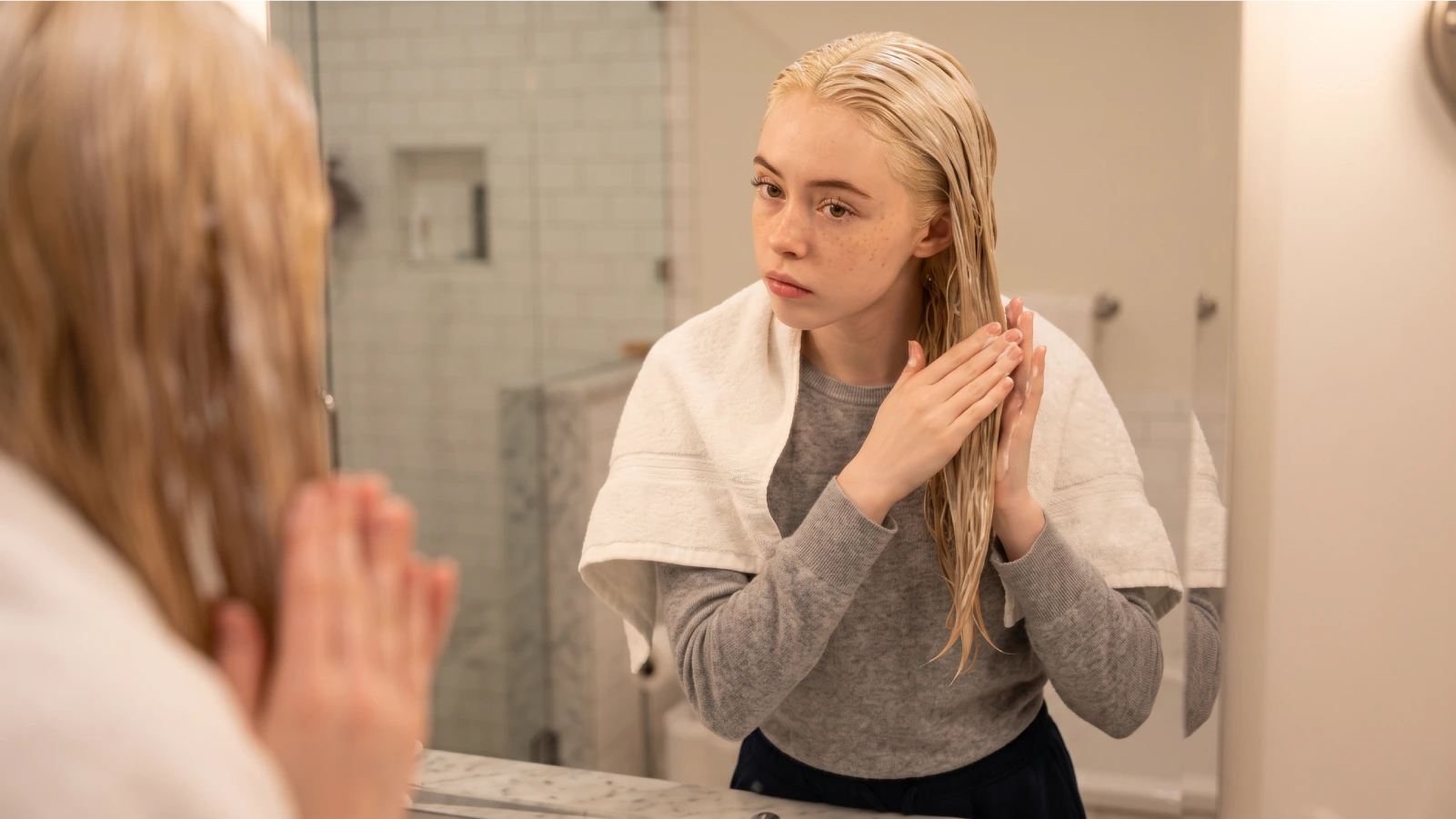
Yes, and they’re the closest thing to real repair that home care offers. This is the step that separates a routine that maintains bleached hair from one that just perfumes it.
Bond builders, like the K18 and Olaplex style products, target the broken bonds inside the strand. Protein and keratin treatments coat the hair and temporarily patch weak spots. Neither permanently rebuilds hair, but used regularly they cut breakage and make strands feel stronger.
The real trick is balancing protein with moisture. Too much protein without hydration leaves hair stiff and brittle; too much moisture without protein leaves it mushy and weak. Bleached hair usually needs both, so most people alternate a hydrating mask with a protein or bond treatment.
A simple weekly framework:
- Deep-condition with a hydrating mask once a week for moisture.
- Add a bond or protein treatment every one to two weeks for strength.
- Use a leave-in or hair oil on damp ends between washes.
- Skip protein the week your hair feels stiff, and add moisture instead.
Be skeptical of DIY cure-alls. Coconut oil used as a pre-wash treatment has some evidence for limiting protein loss. But rice water, mayonnaise, and egg masks are mostly hype, with thin evidence for bleached hair, and none of them undo structural damage.
How do you prevent more damage after bleaching?

Prevention matters as much as repair, because bleached hair can’t heal the way skin does. Once a strand is damaged, you’re managing it until it grows out. So the goal is simple: stop adding new stress.
Heat is the biggest offender. Air-dry when you can, keep hot tools on the lowest setting that works, and never skip heat protectant. The AAD also recommends spacing out chemical services and doing only one at a time, so avoid stacking bleach, color, and other treatments at once.
Everyday habits that protect bleached hair:
- Swap terry towels for a microfiber towel or soft cotton tee, and blot instead of rubbing.
- Use silk or satin scrunchies and a silk pillowcase to cut friction and breakage.
- Detangle gently from the ends up with a wide-tooth comb, ideally on conditioned hair.
- Shield hair from strong sun and chlorine with a hat or a leave-in before swimming.
- Book regular trims so split ends don’t travel up the strand.
Diet and patience help too. Hair grows from what you eat, so protein and a balanced diet support the healthier growth coming in. Mild to moderate damage often improves within a few weeks of consistent care, while severe over-processing can take months to grow out.
Bleached hair overlaps heavily with caring for colored and dyed hair, so many of the same gentle habits apply. If breakage keeps worsening despite a careful routine, or your scalp feels irritated, see a dermatologist or trichologist rather than guessing.
Frequently Asked Questions
Not fully. You can’t permanently rebuild lost protein, but bond builders, protein treatments, and deep conditioning strengthen strands, cut breakage, and improve how hair looks and feels. Badly damaged sections usually have to grow out and get trimmed.
Around two to three times a week for most people. Washing less preserves moisture and slows color fading, while over-washing dries out already fragile strands. Always follow shampoo with conditioner, and use lukewarm water instead of hot.
Only if you fight brassiness. Purple shampoo neutralizes yellow and orange tones to keep blonde looking cool and clean, but it doesn’t repair hair. Use it when tones turn warm, then alternate with a moisturizing shampoo.
It depends on severity. Mild damage can feel better within a few weeks of consistent care, while heavily over-processed hair may take months and often needs to grow out. Steady habits matter more than any single product.
The Bottom Line
Bleached hair isn’t fragile forever, but it does need a routine built around moisture and strength.
- Wash gently and less often with sulfate-free products, and condition every time.
- Deep condition weekly and alternate with a bond or protein treatment.
- Cut heat and friction, and protect strands from sun and chlorine.
- Be honest about DIY trends, and see a pro for stubborn breakage or scalp issues.
Get consistent with these and your color stays brighter while your hair grows stronger. From here, it’s worth locking in the rest of your daily routine so your bleached lengths get support from root to tip.