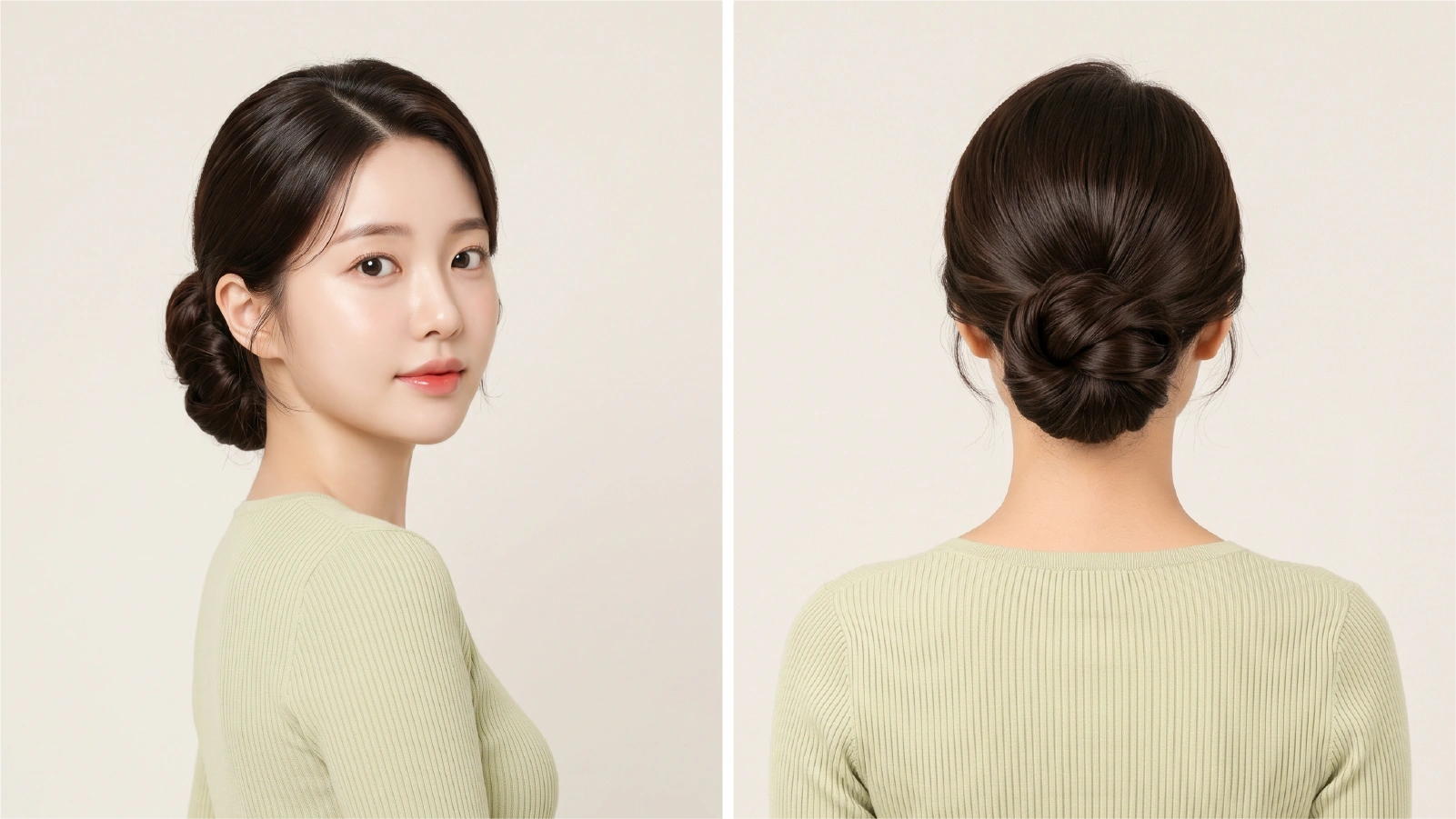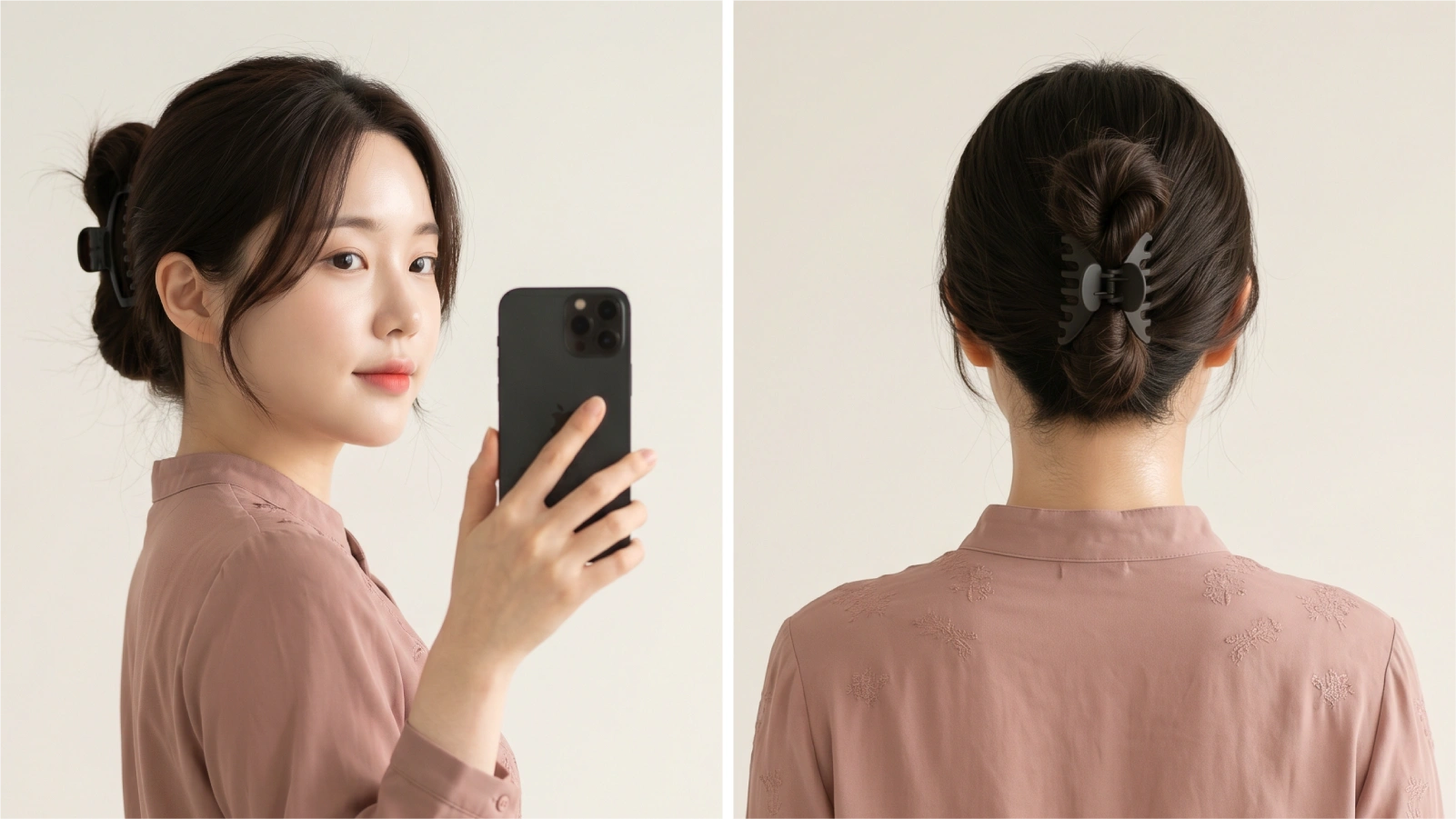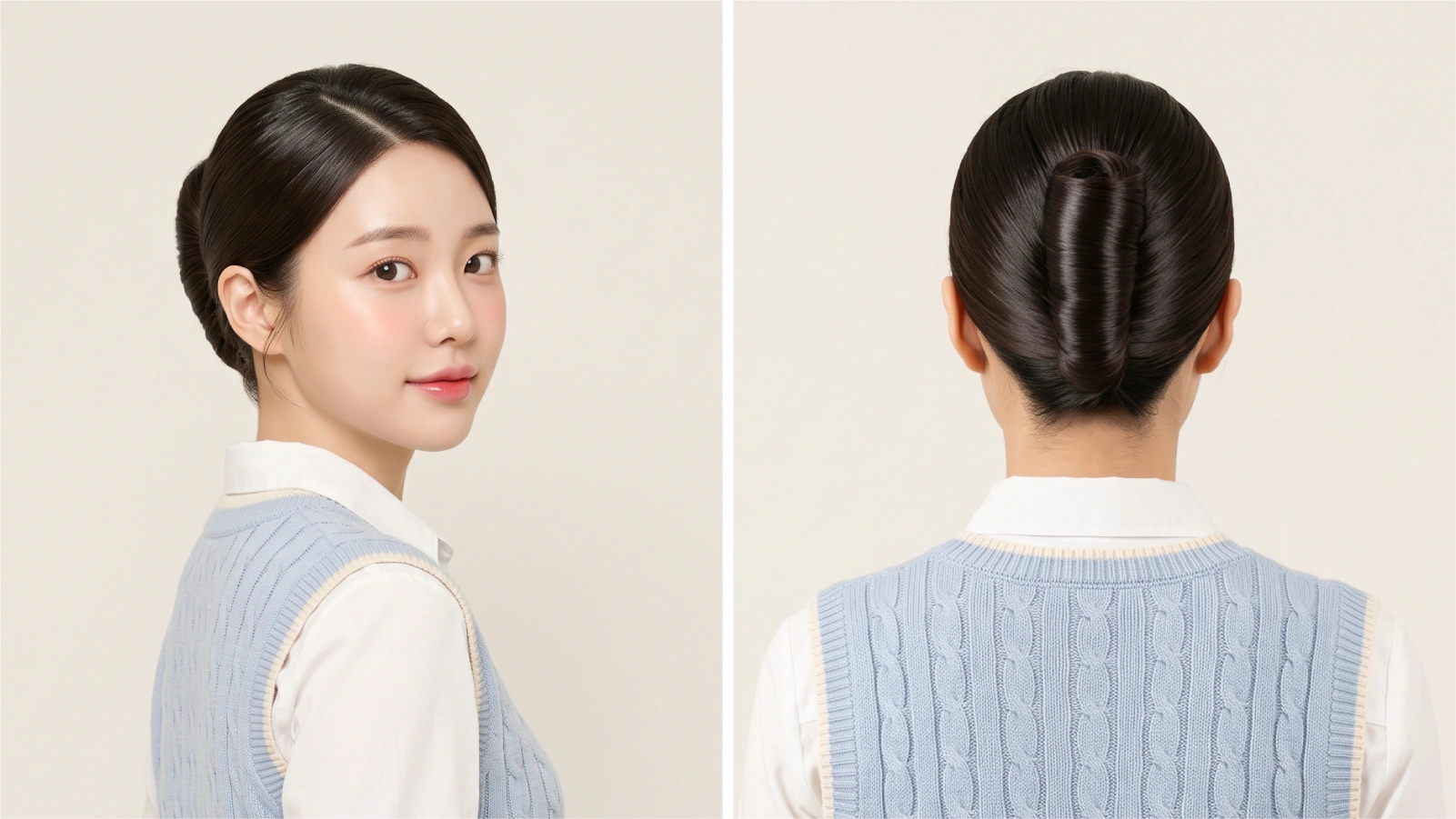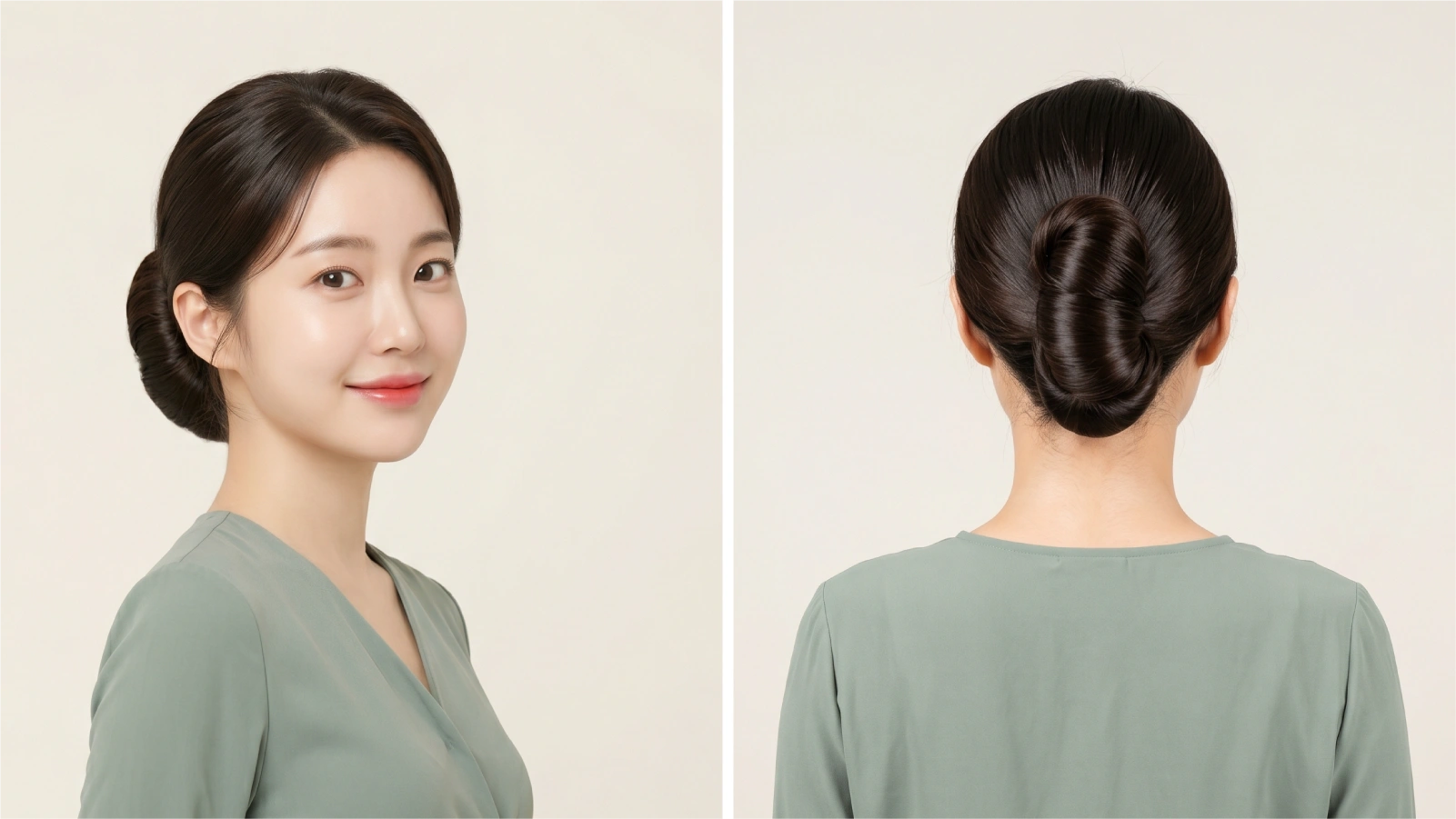
The banana bun is a low, loosely twisted updo that rolls hair into an elongated shape — resembling a banana — typically at the nape of the neck or the back of the head. It’s a modernized take on the classic French twist: less rigid, more effortless, and far more forgiving on second-day hair.
Unlike a traditional bun that requires elastic bands and a tight coil, the banana bun is secured with bobby pins alone, giving it that lived-in, thrown-together quality that somehow looks incredibly chic.
If you’re building out a collection of easy hairstyles for women, the banana bun deserves a permanent spot in your rotation. It takes under five minutes, suits almost every hair type, and dresses up or down without a second thought.
The style has surged in popularity across TikTok and Pinterest, where it consistently ranks among the most-saved easy updos for busy mornings.
Style Snapshot
What Exactly Is a Banana Bun — and How Is It Different from a French Twist?
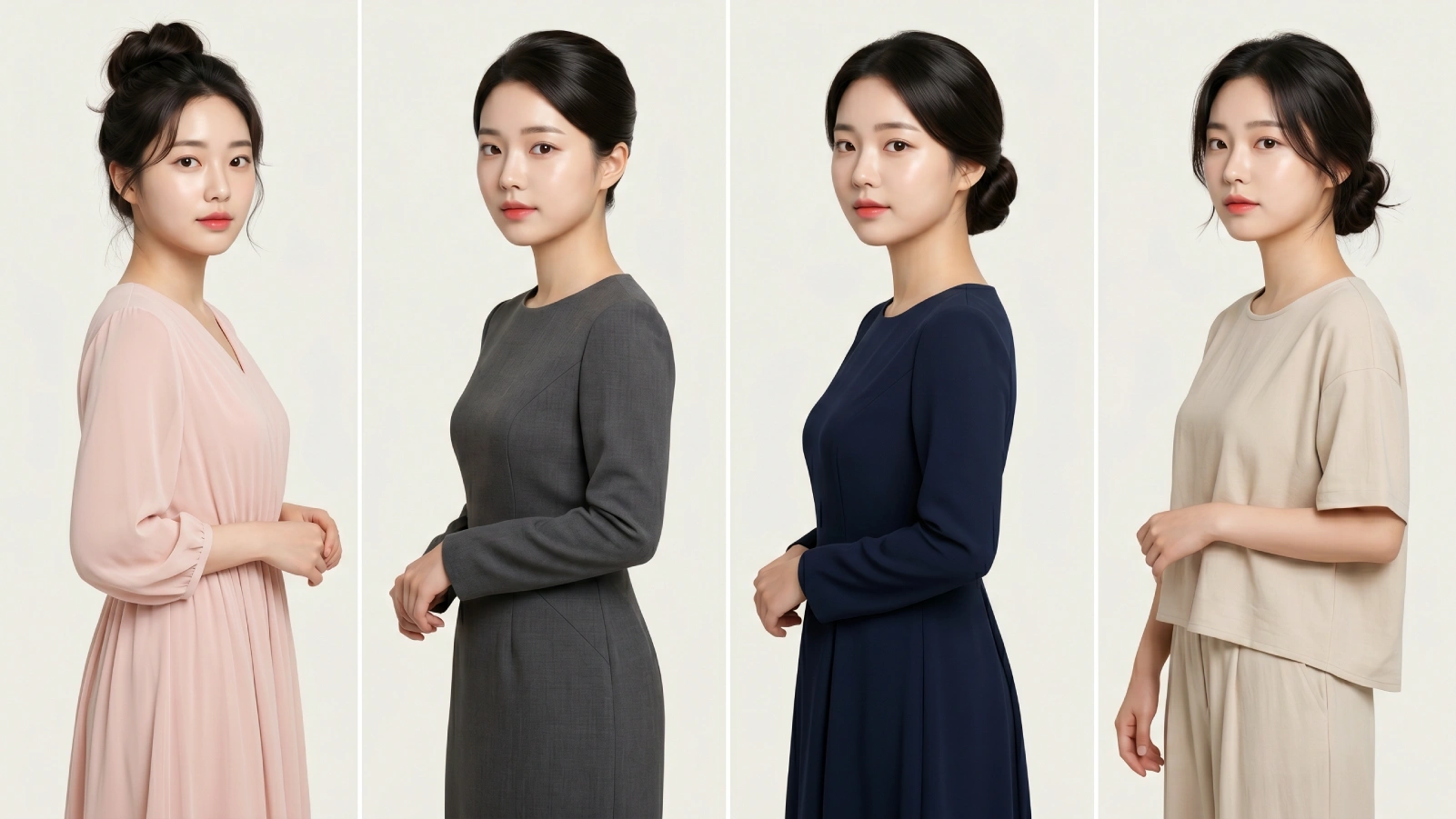
Here’s the thing: most people use banana bun and French twist interchangeably, but they’re not quite the same. The French twist (also known as the French roll) is the formal, polished ancestor — hair swept tightly to one side, pinned vertically in a neat column. The banana bun is its relaxed, cool-girl descendant.
In French, this style is actually called a chignon banane — literally ‘banana chignon’ — a name that captures both its elongated shape and its chic, Parisian sensibility. The roll is lower, the shape is softer, and the intent is deliberately undone.
The chignon adds a third dimension to this comparison: it’s typically a pinned knot rather than a twist, and it sits flat against the head rather than standing in a cylindrical roll.
On the broader updo spectrum, the banana bun sits between the structured slicked back bun and the looser low bun — a middle-ground option that’s polished without being precious
The banana bun is the only updo that actually looks better on unwashed hair — that natural texture grip is what holds the whole style together.
How Do You Do a Banana Bun Step by Step?
This method works for straight, wavy, or lightly textured hair in the medium-to-long range. Start with day-old hair or apply a small amount of texturizing spray at the roots before you begin.
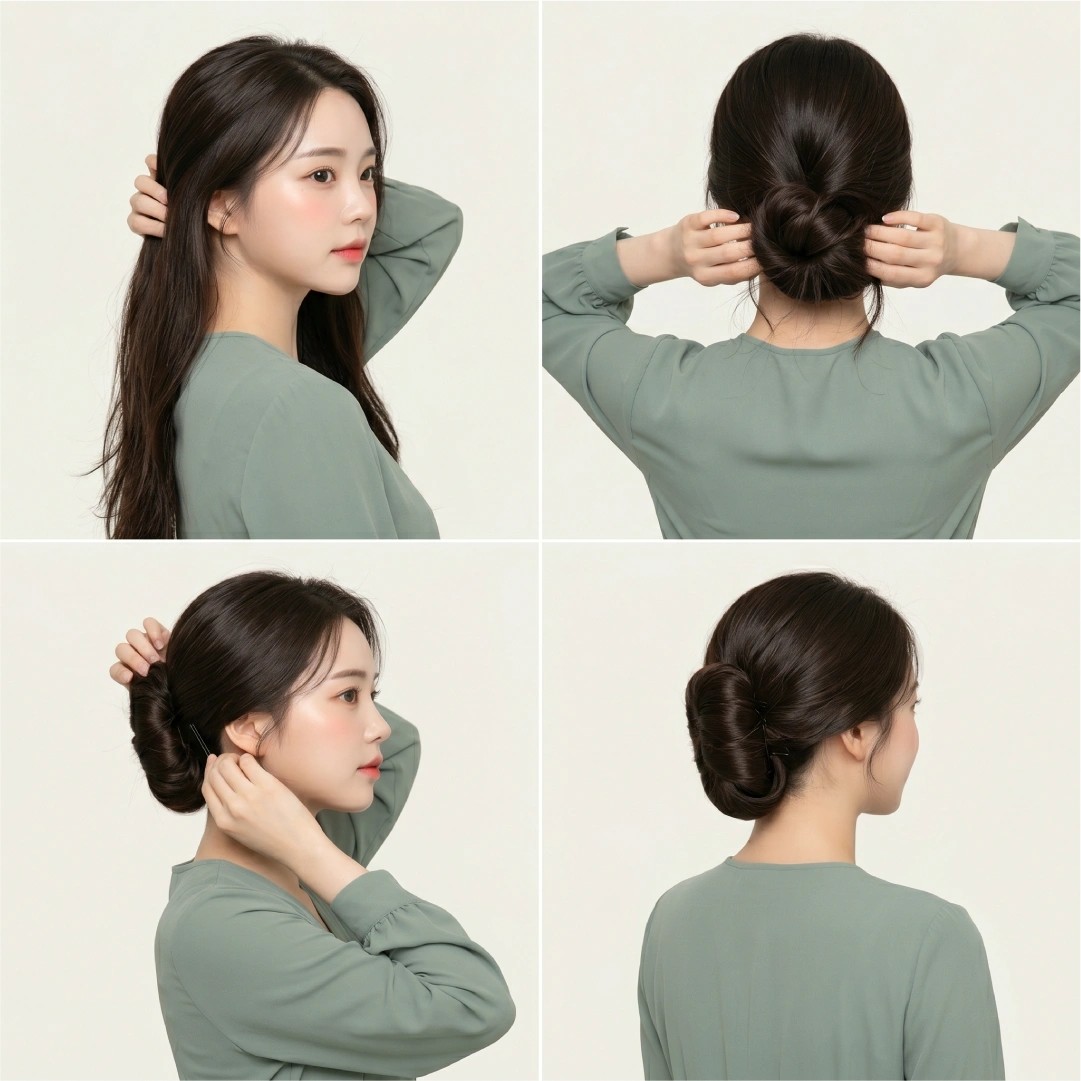
- Prep your hair. No brushing needed — finger-comb to remove tangles only. A touch of dry shampoo at the roots adds grip, which the banana bun depends on.
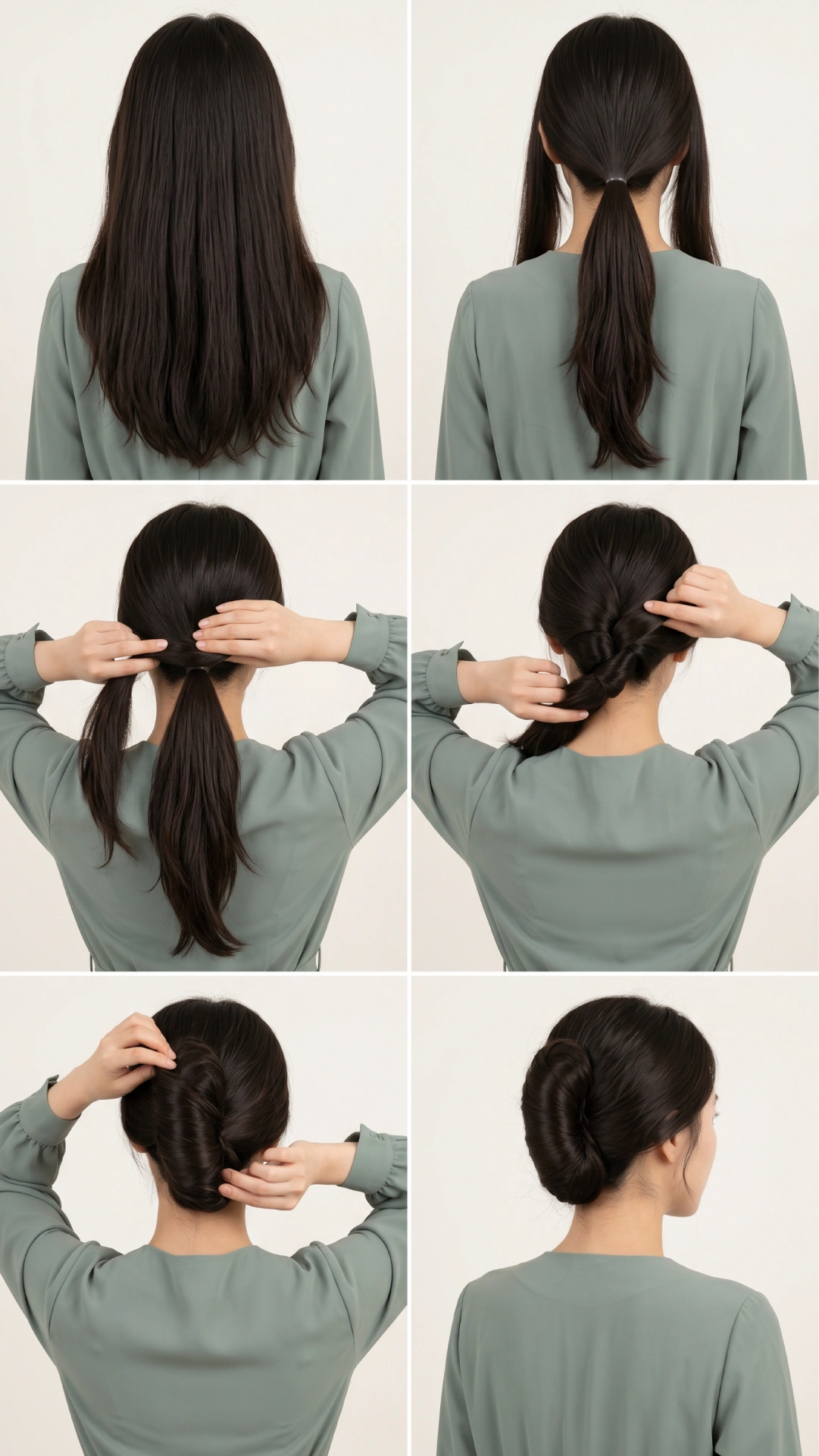
- Split hair into three vertical sections. Divide your hair into a middle section and two side sections (left and right) of roughly equal thickness. The center section should be slightly wider.
- Tie the center section into a low ponytail. Use a clear elastic at the nape of your neck. This forms the spine of the bun.
- Wrap the right side section over the ponytail base. Twist it inward as you go, covering the elastic. Don’t pin yet.
- Repeat with the left side section. Wrap it over the ponytail and over the right section, twisting inward. Now you have a loose rope of hair.
- Roll the whole twisted mass upward or diagonally. Let it curl on itself naturally — don’t force a perfect cylinder. This organic curve is the “banana” shape.
- Secure with bobby pins. Push pins horizontally through the inner seams of the roll, not straight in. Use 4–8 pins depending on hair thickness.
- Loosen and shape. Pull gently at the outer edges to add volume. Release a few face-framing pieces at the temples.
- Finish with light-hold hairspray. One pass from 10 inches away. Don’t over-spray — stiffness is the enemy of this style.
What Hair Types Work Best for a Banana Bun?
Short answer: most do — but technique adjustments matter. Fine hair and very slippery straight hair are the trickiest; they need grip-building prep to prevent collapse. Thick and wavy hair has a natural advantage because friction holds the twist in place without extra product.
By hair type:
- Fine/thin hair: Apply texturizing spray or dry shampoo before styling. Use more bobby pins (6–8) and consider a small amount of light pomade on the ends before rolling. Avoid washing hair the same day.
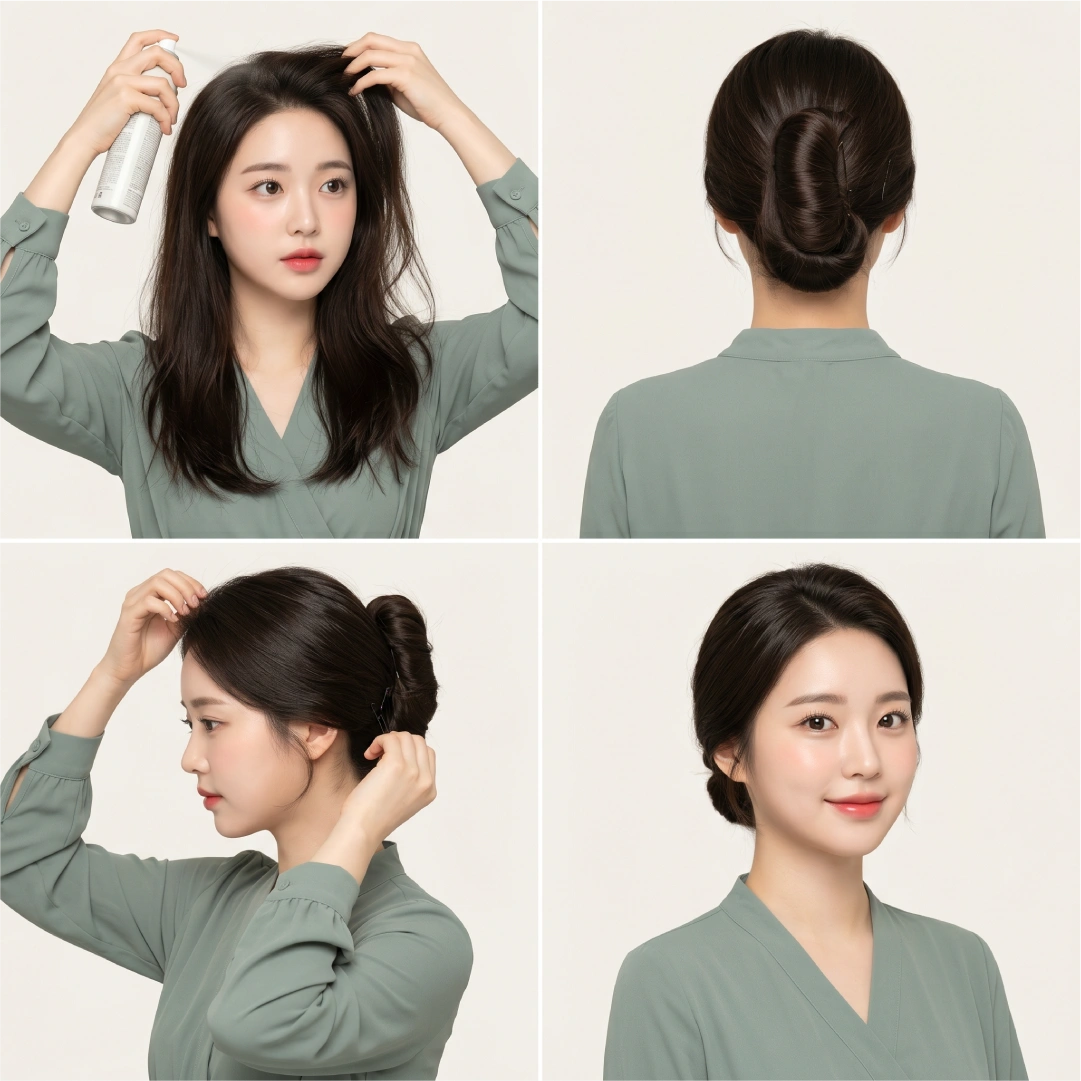
- Thick hair: Divide your middle section into two sub-sections and stack the roll in two layers for a fuller, more voluminous shape. U-shaped pins hold thick styles better than standard bobby pins.
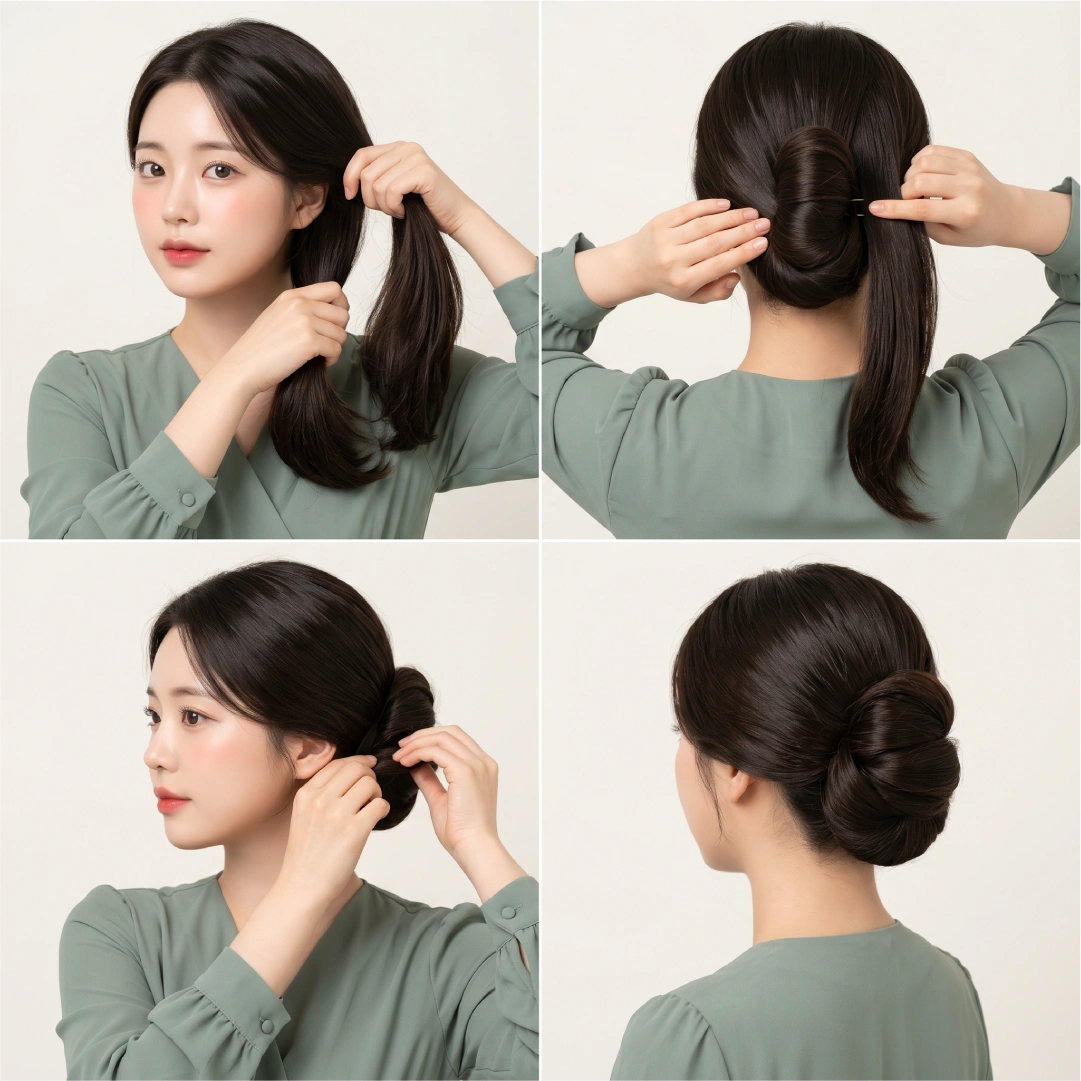
- Wavy/curly hair: Work with the natural texture — don’t flatten it. Scrunch in a curl cream before finger-combing and let the waves define the roll’s surface texture.
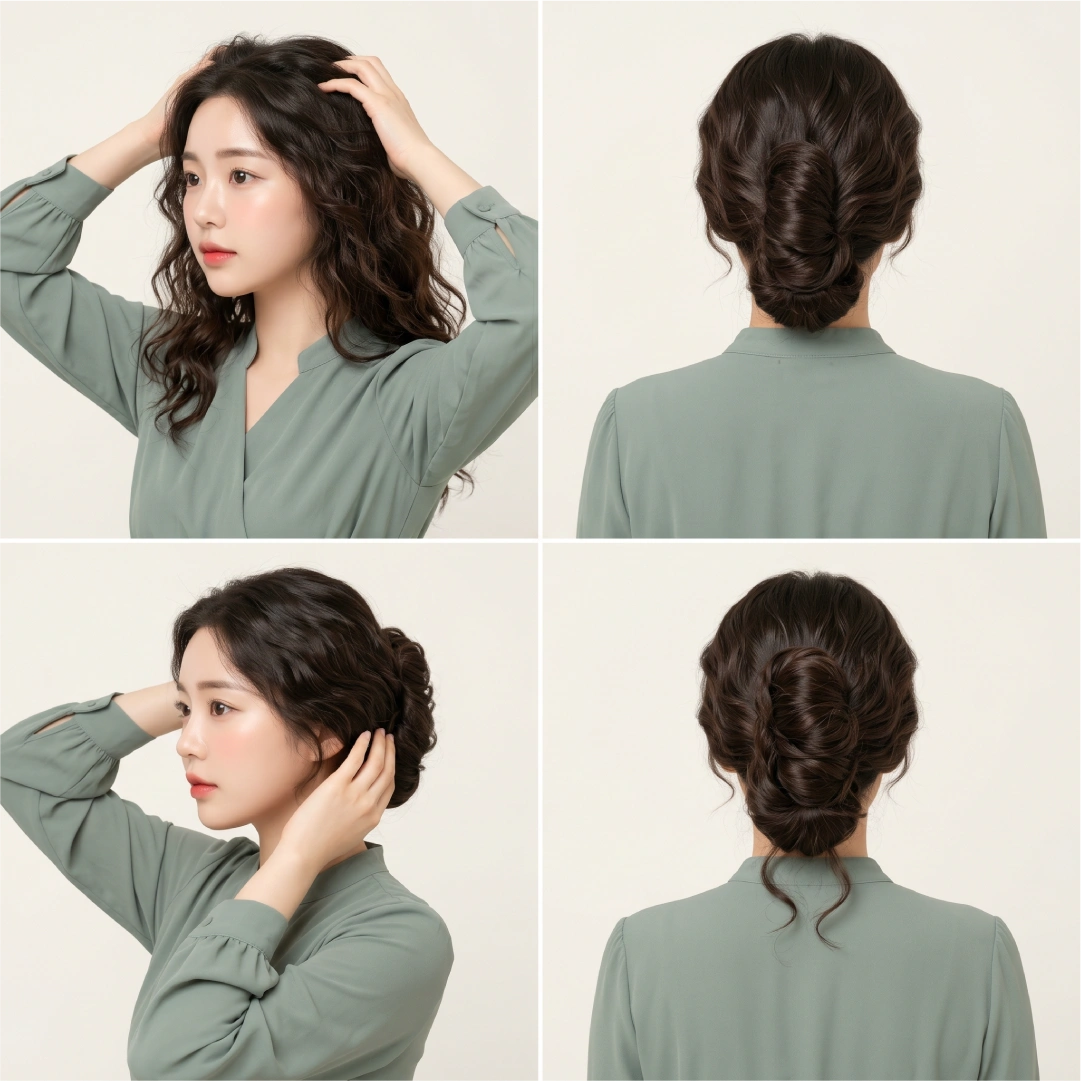
- Natural/coily hair: Works best on stretched or blown-out hair. A claw clip bun can substitute for the bobby-pin method if coils are tightly defined.
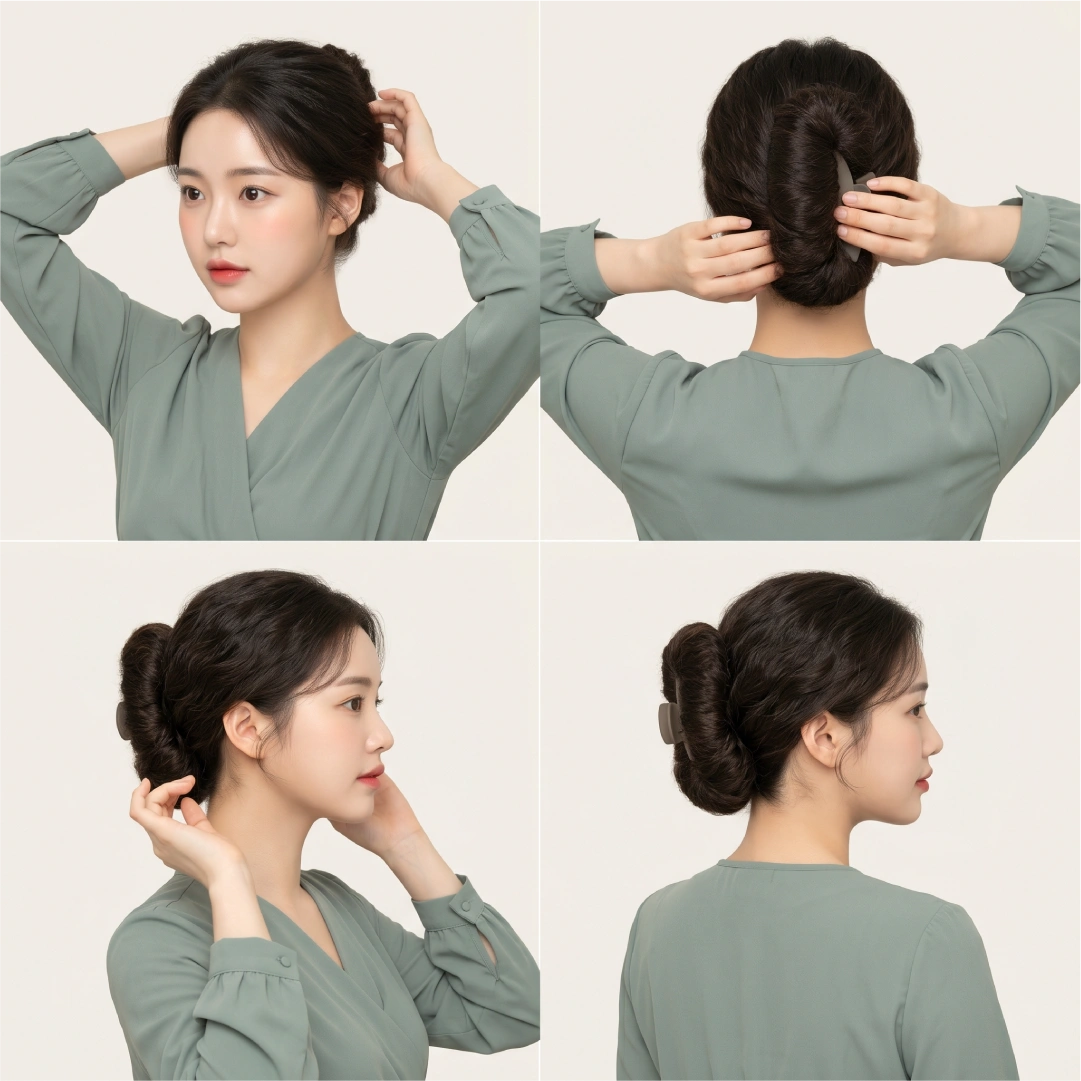
- Color-treated or bleached hair: Be gentle when rolling — chemically processed hair breaks more easily under tension. Use silk-lined bobby pins where possible.
How to Wear a Banana Bun for Every Occasion
One of the banana bun’s real strengths is its versatility. The same base technique produces wildly different results depending on finish and accessories.
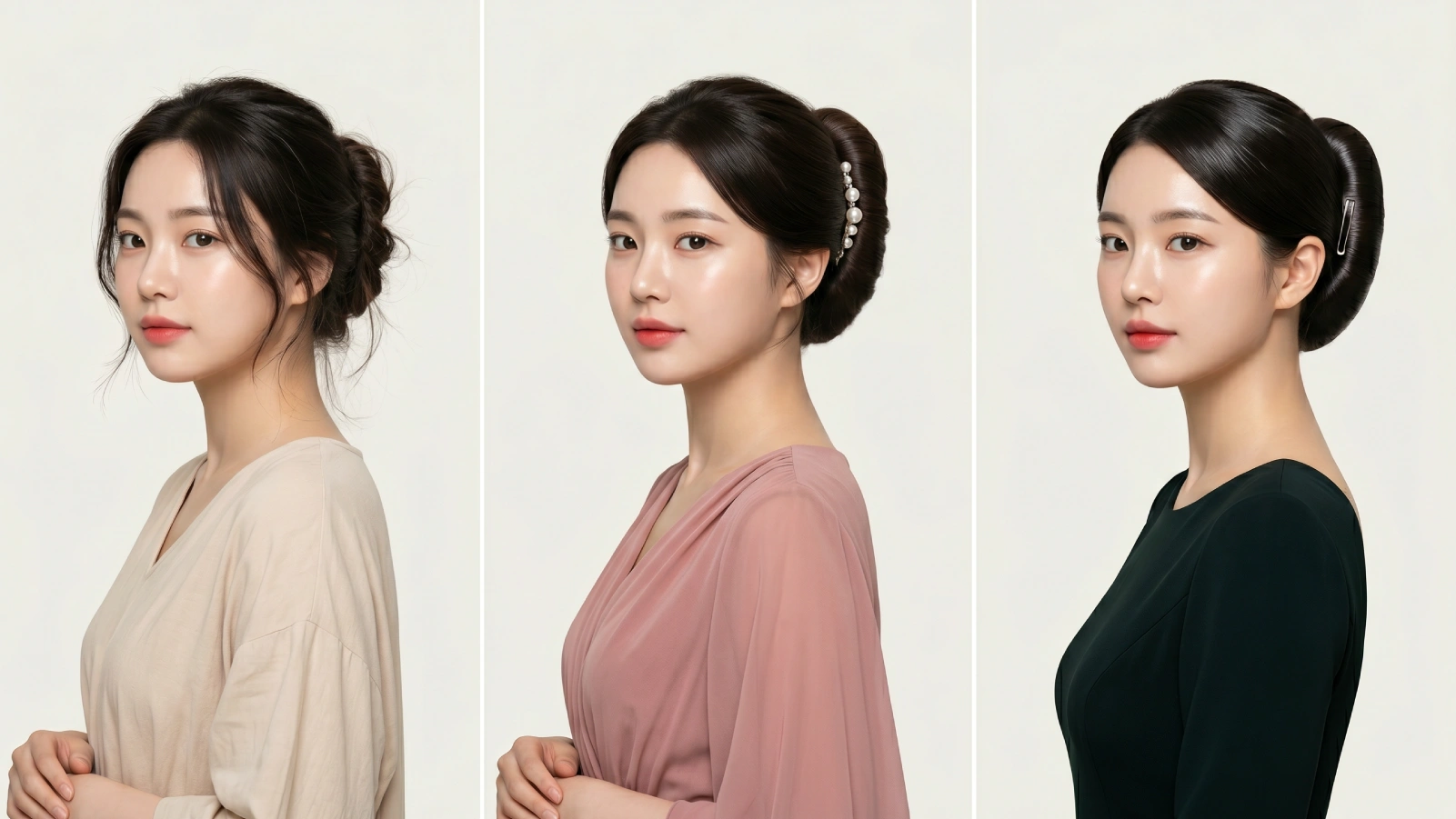
For a more structured alternative on formal occasions, a chignon bun gives comparable elegance with cleaner lines.
A single banana bun can go from a coffee run to a cocktail reception — the difference is entirely in how tight you roll it and what you pin through it.
Common Banana Bun Mistakes (and How to Fix Them)
Most banana buns fail for one of five reasons. Here’s what goes wrong and how to correct it:
- Rolling too tightly. The result looks like a French twist, not a banana bun. Fix: after pinning, use your fingertips to gently expand the roll outward.
- Washing hair right before. Freshly washed, conditioned hair is too slippery to grip. Fix: add texturizing spray or just restyle on day-two hair.
- Using too few pins. The bun unravels within the hour. Fix: insert pins horizontally into the seam rather than vertically into the surface — this locks the roll from underneath.
- Making the sections uneven. The left side bulges; the right side looks thin. Fix: use a wide-tooth comb to divide equal-width sections before you tie the ponytail.
- Over-spraying hairspray. The textured, organic feel disappears. Fix: one light pass from distance — the banana bun should move slightly, not sit rigid.
Frequently Asked Questions
The style requires enough length to wrap and roll — generally shoulder length or longer. At chin-to-shoulder length, it works as a partial updo: pull back only the top two-thirds and leave the bottom layer loose. Very short hair under chin length won’t hold the twist shape without extensions.
The French twist is precise and vertical — hair is swept cleanly to one side and pinned in a tight column. The banana bun is looser, lower, and deliberately imperfect. Think of the French twist as the formal version and the banana bun as the off-duty Saturday morning version of the same basic concept.
Start with second-day or textured hair, insert pins horizontally into the inner seam of the roll, and finish with one light mist of hairspray. If your bun still slips, the mistakes section above covers the five most common causes in detail.
Yes — a banana clip (the elongated, two-sided hair clip popular in the 1980s, named for its curved shape) works perfectly for this. Gather your hair into a loose twist at the nape, then close the banana clip around it.
Absolutely. Tucking the ends fully into the roll creates a cleaner, more polished version that reads as formal. Add pearl-tipped or floral bobby pins, apply a serum on the surface for shine, and smooth any flyaways with a toothbrush dipped in a tiny amount of hairspray. The result is effortlessly bridal without looking overdone.
Key Takeaways
- The banana bun is a loose, vertically twisted updo that takes 3–5 minutes with bobby pins and texture spray.
- Second-day or unwashed hair is ideal — natural oils create the grip this style depends on.
- It works across all hair textures with minor technique adjustments for fine, thick, curly, or coily hair.
- Insert bobby pins horizontally into the inner seam of the roll — not straight in — for all-day hold.
- The style scales from casual to formal by simply adjusting tightness and swapping accessories.
Whether you’re a first-timer or just refining your technique, the banana bun rewards practice over perfection. Master the roll, trust the imperfection, and you’ve got a go-to style for virtually every occasion.