A claw clip bun is one of the fastest ways to pull your hair into a polished updo without heat, elastics, or bobby pins. The claw clip itself — first patented in 1989 by Christian Potut — is a hinged, spring-loaded accessory with two sets of interlocking teeth that grip from multiple angles.
You twist or loop your hair, snap the clip shut, and you’re done. It works on straight, wavy, and curly textures, and it holds all day when you match the right clip size to your hair thickness.
Whether you’re running late on a Tuesday morning or dressing up a weekend outfit, this single accessory replaces an entire drawer of styling tools.
If you’ve been exploring easy hairstyles for women that don’t require salon skills, the claw clip bun deserves a permanent spot in your rotation. It’s forgiving, adjustable, and — unlike a tight ponytail — won’t leave you with a tension headache by 3 PM.
Style Snapshot
- A claw clip bun takes under 60 seconds and works on hair from shoulder-length to waist-length with the right clip size.
- Use the elastic anchor method — secure a loose ponytail first, then clip — to prevent slipping throughout the day.
- Match clip size to hair volume: small clips (fine/thin hair), medium clips (normal density), large clips (thick or long hair).
- Avoid smooth-tooth plastic clips on freshly washed hair; textured teeth or acetate material grips significantly better.
What Size Claw Clip Do You Need for a Bun?
Clip size is the number-one reason claw clip buns fail. A clip that’s too small can’t hold the weight of your hair. One that’s too large gaps open and slides out. Matching your clip to your hair type isn’t optional — it’s the whole game.
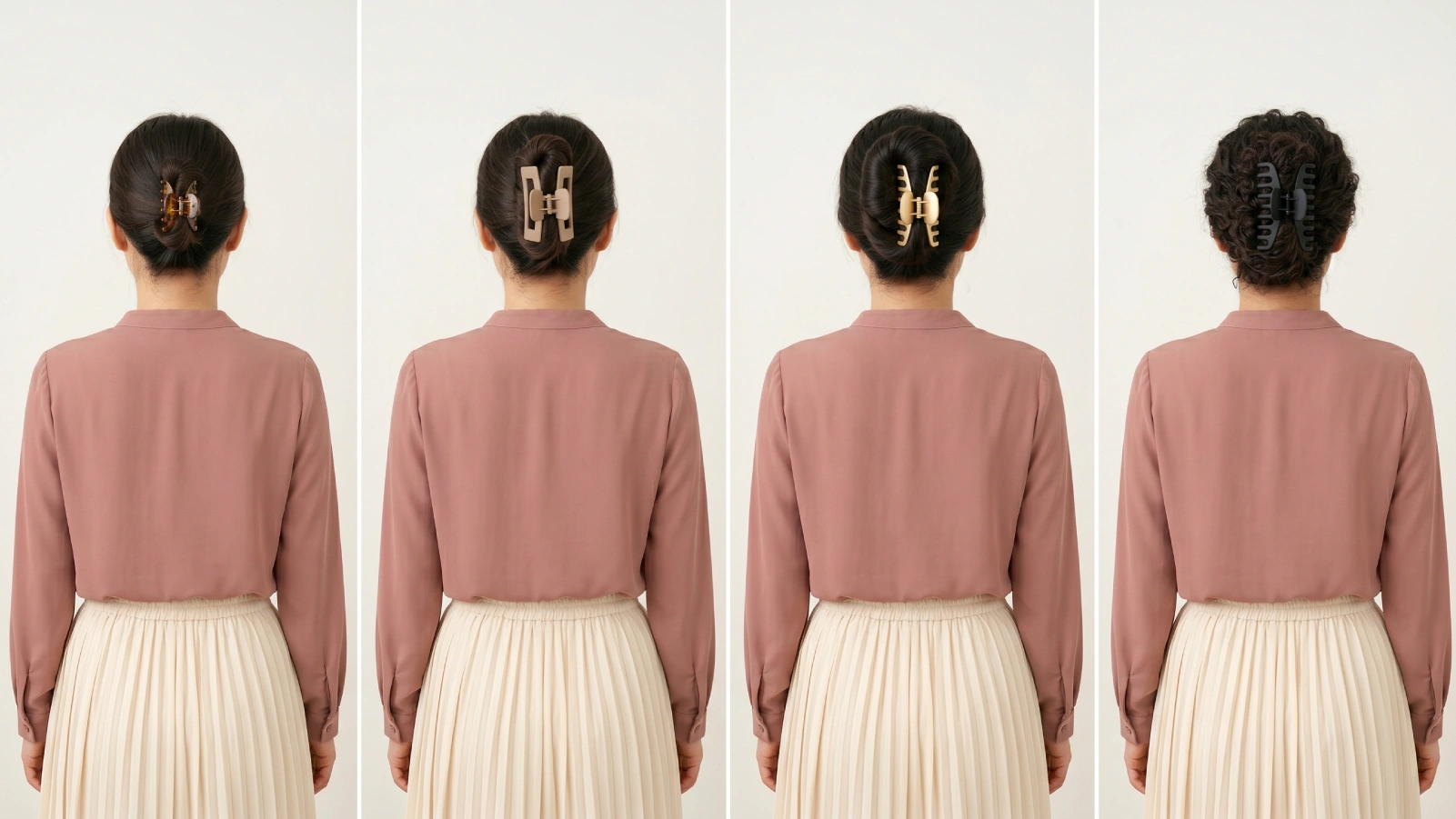
Here’s what matters beyond size. Tooth design affects grip more than most people realize. Clips with interlocking, ridged teeth grab hair and hold it. Smooth, rounded teeth let silky or freshly washed hair slide right through. If your clips keep slipping, switch to a clip with textured or serrated teeth before blaming your technique.
Material matters too. Flexible nylon clips (like those from TELETIES) handle thick and curly hair without snapping. Cellulose acetate looks elevated but can be brittle under pressure. Avoid cheap rigid plastic if your hair is dense — it’ll crack within weeks.
How Do You Do a Claw Clip Bun That Actually Stays?
Four variations cover virtually every occasion — from a quick messy bun for casual mornings to a polished sleek style for formal events. Each one follows a slightly different technique, but they all start with the same foundation.
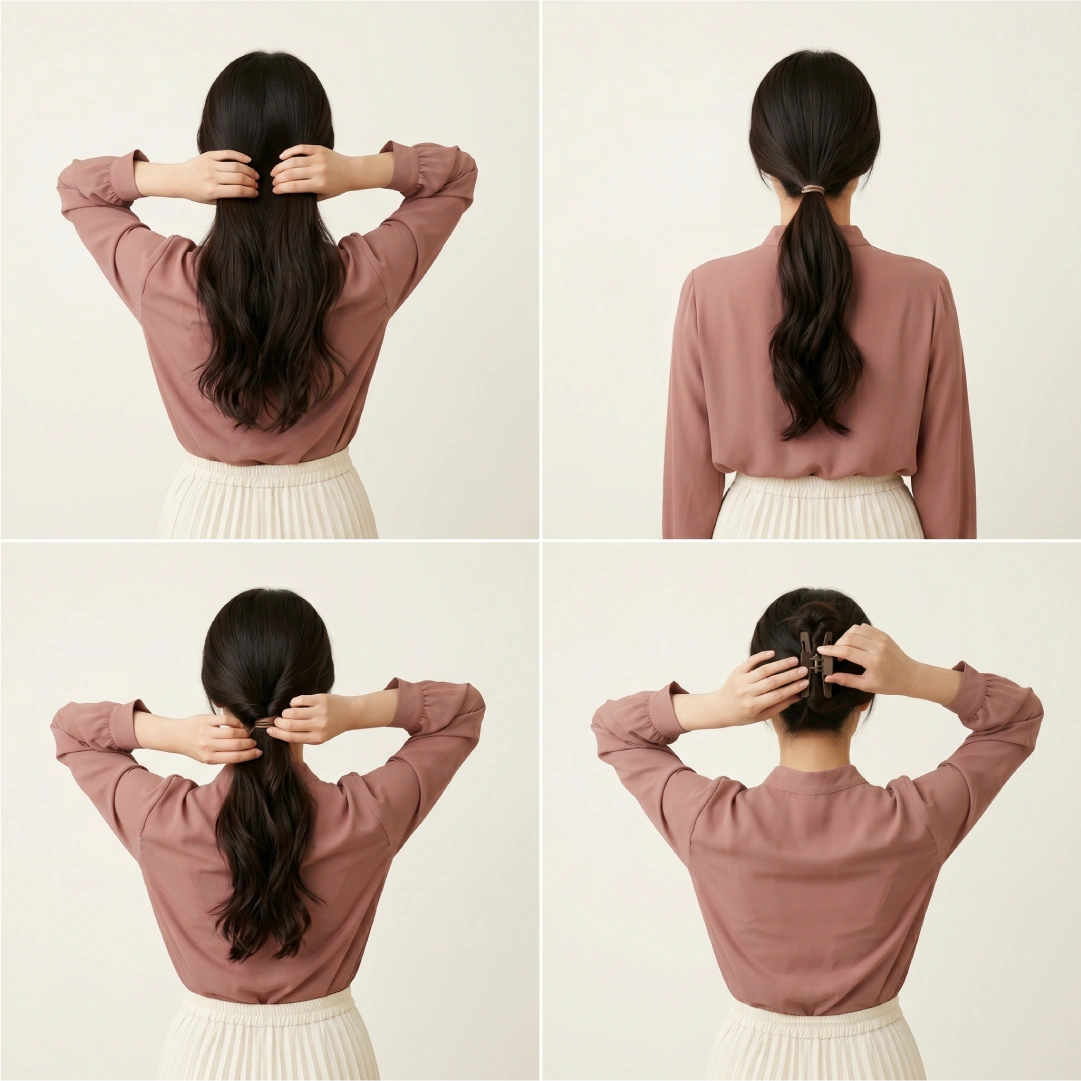
The Elastic Anchor Method (Do This First)
This trick comes straight from long-hair community forums, and it’s the single biggest upgrade you can make. Before clipping, secure your hair in a loose ponytail with a thin elastic. Wrap it just two or three times — tight enough to hold, loose enough to stay comfortable. This distributes the weight of your hair across the elastic instead of putting all the pressure on the clip’s hinge.
Four Bun Variations, Step by Step
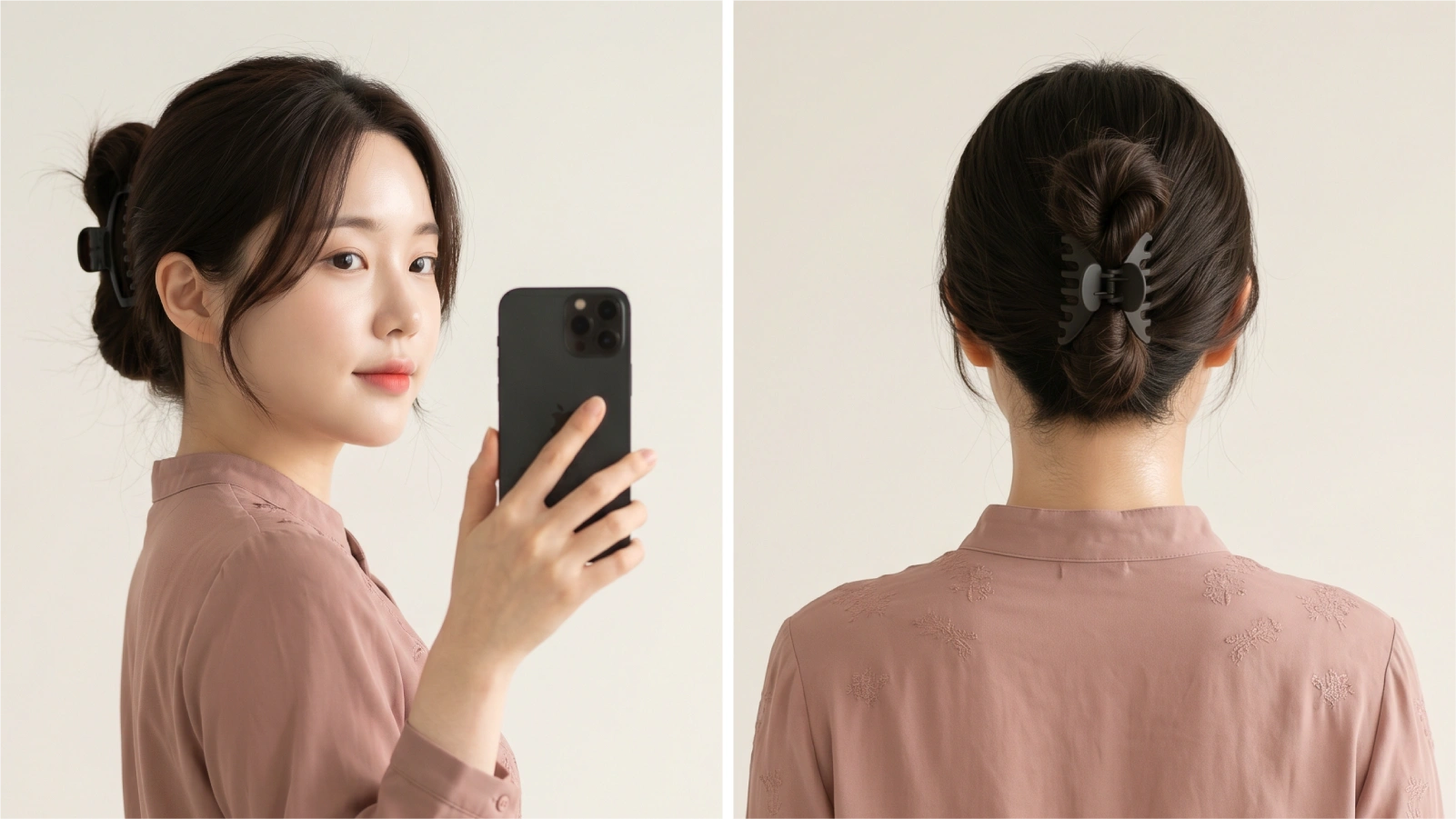
1. Messy Claw Clip Bun (30 seconds)
- Gather hair into a loose, low ponytail at the nape or mid-height
- Twist the ponytail once — just one rotation
- Loop the twisted hair upward and fold it against your head
- Open the claw clip and clamp it over the folded section, catching both the loop and the base
- Pull a few face-framing pieces loose for a relaxed finish
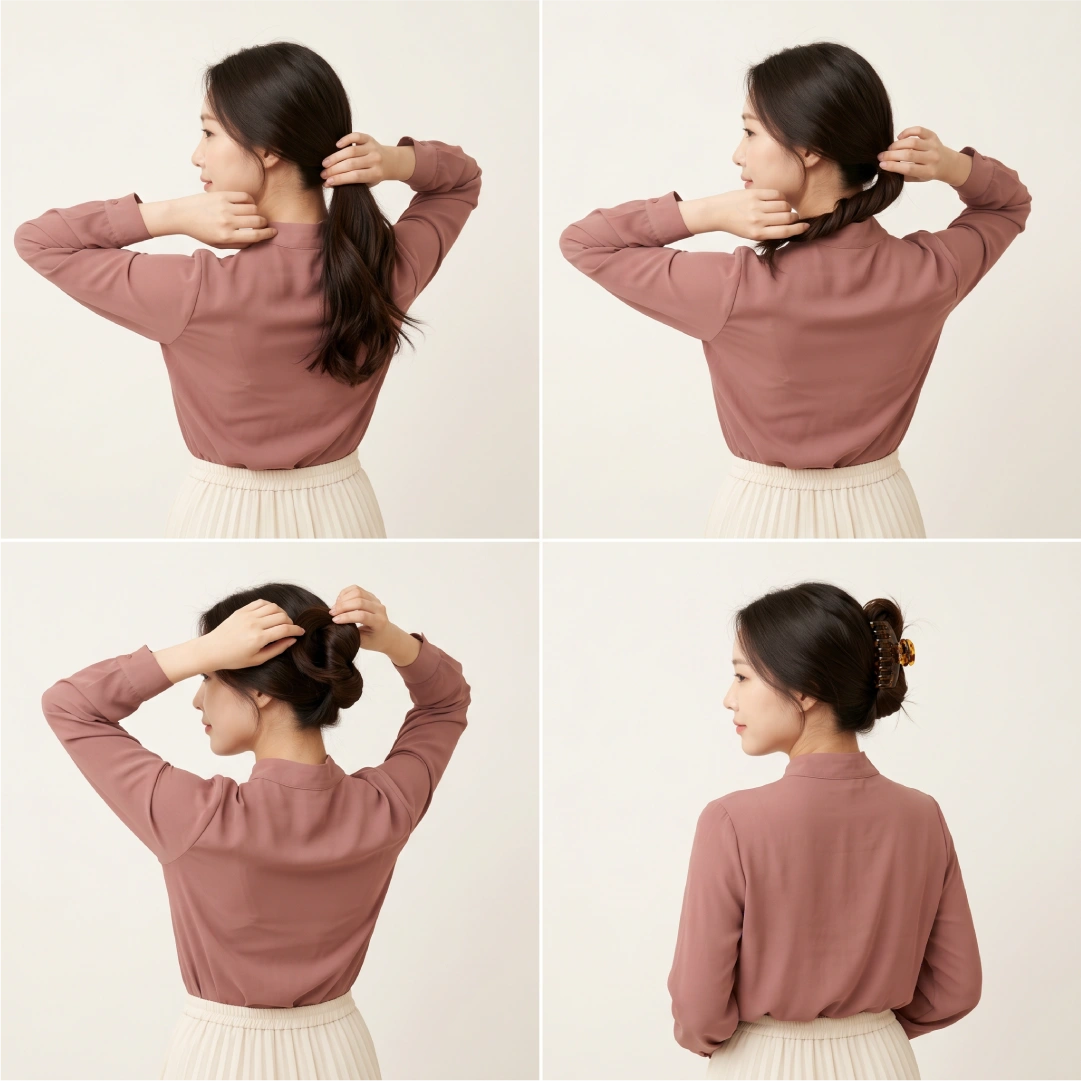
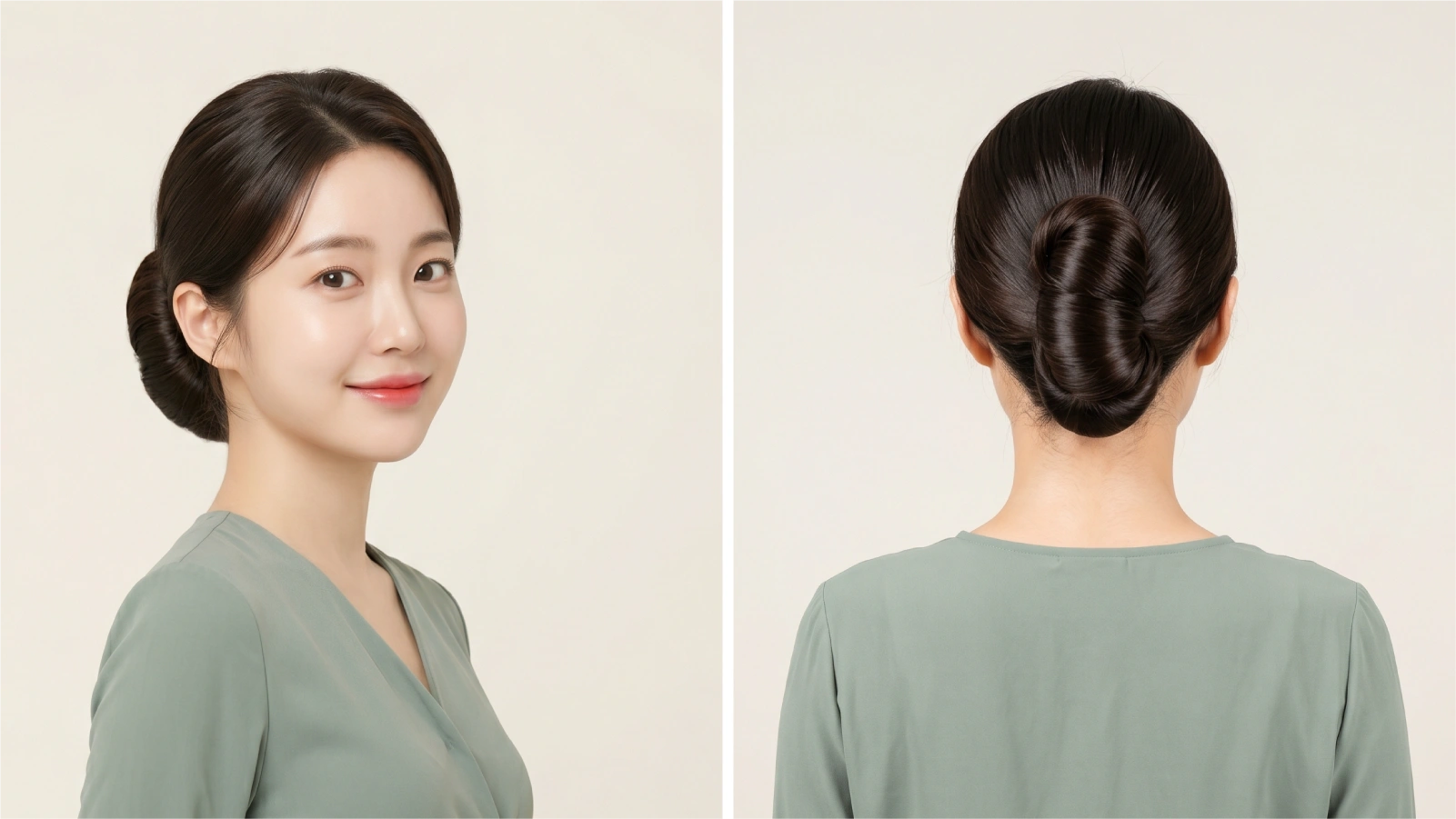
2. Sleek Low Bun (45 seconds)
- Brush hair smooth and gather it at the nape
- Secure with an elastic, then twist the tail tightly
- Coil the twist into a flat bun against your head
- Clip vertically over the coil, pressing firmly
- Smooth flyaways with a light hairspray or edge gel
For a deeper look at this placement as a standalone style, the low bun covers every variation at nape height.
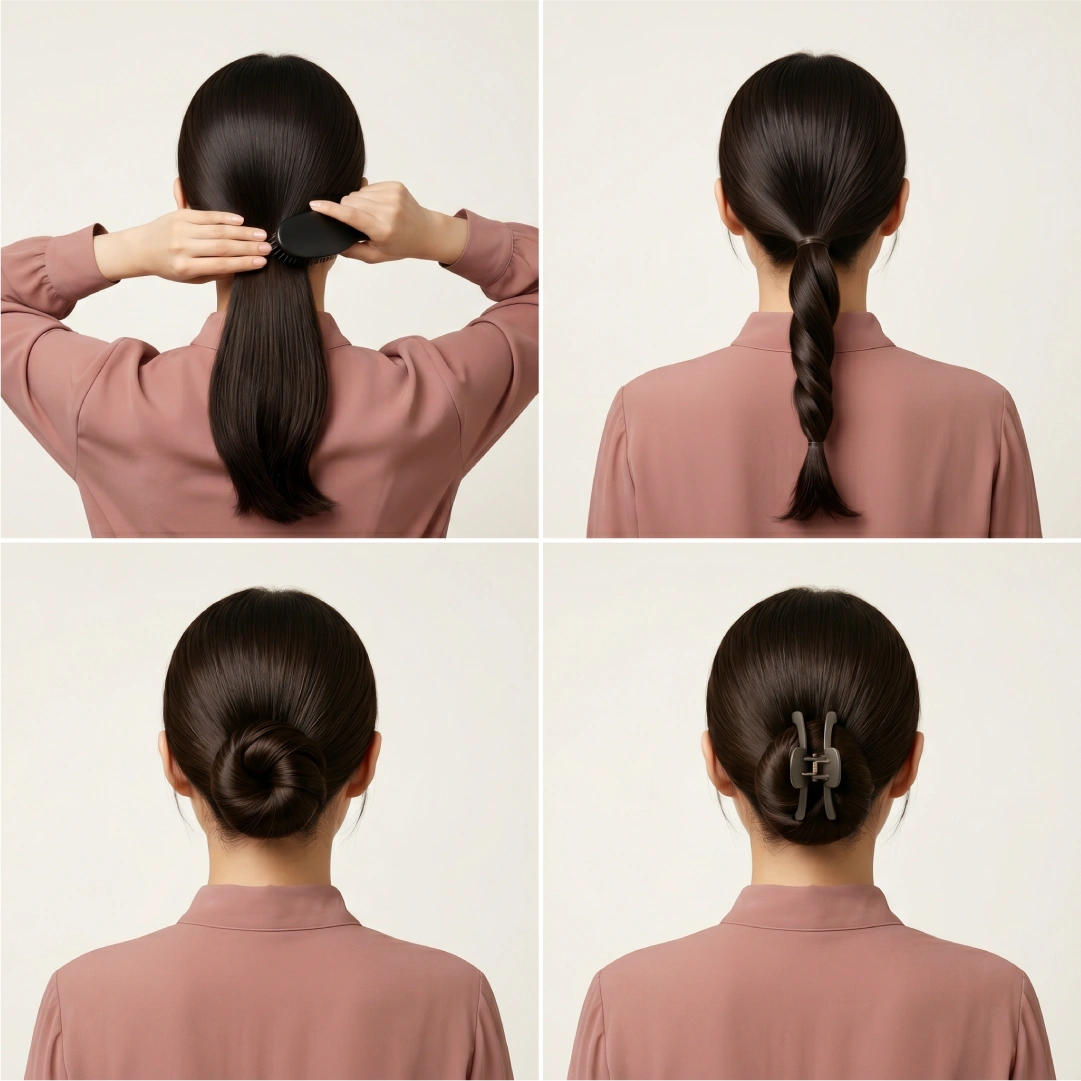
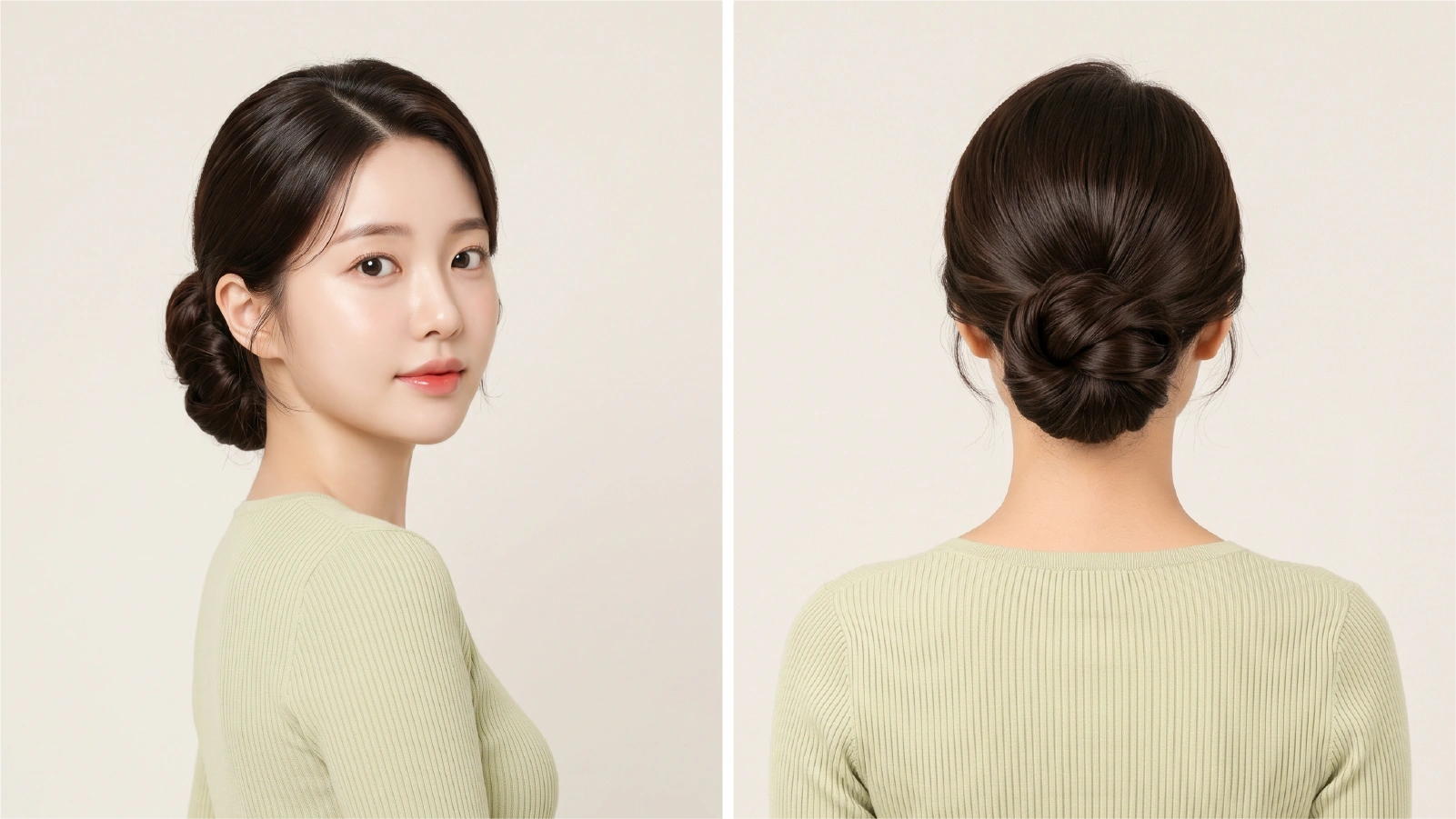
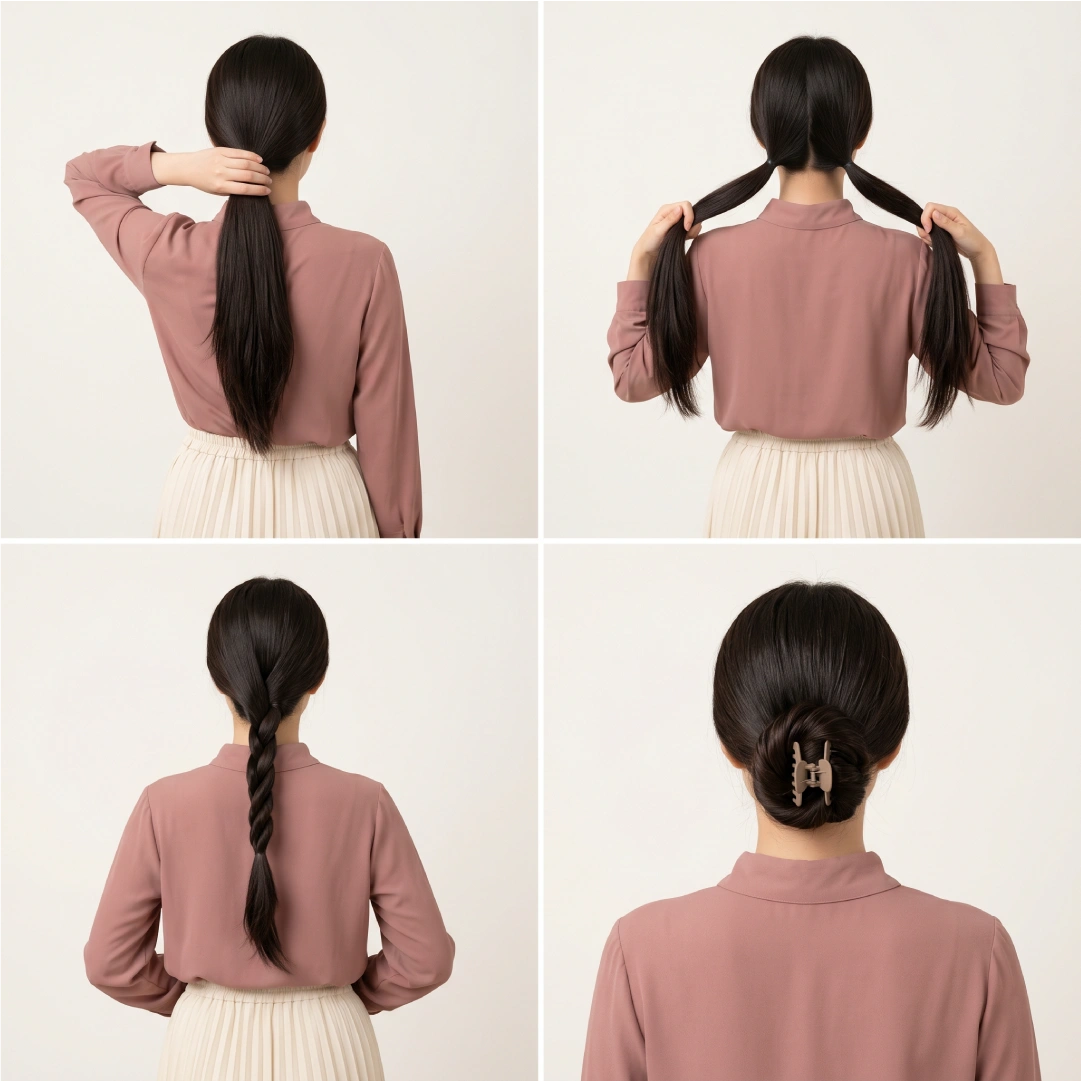
3. Twisted Bun (60 seconds)
- Pull hair into a mid-height ponytail
- Split the ponytail into two sections
- Twist each section in the same direction, then wrap them around each other
- Coil the rope twist into a bun shape
- Secure with the claw clip horizontally across the bun
For a fuller take on this technique, the twisted bun guide covers five distinct rope variations.
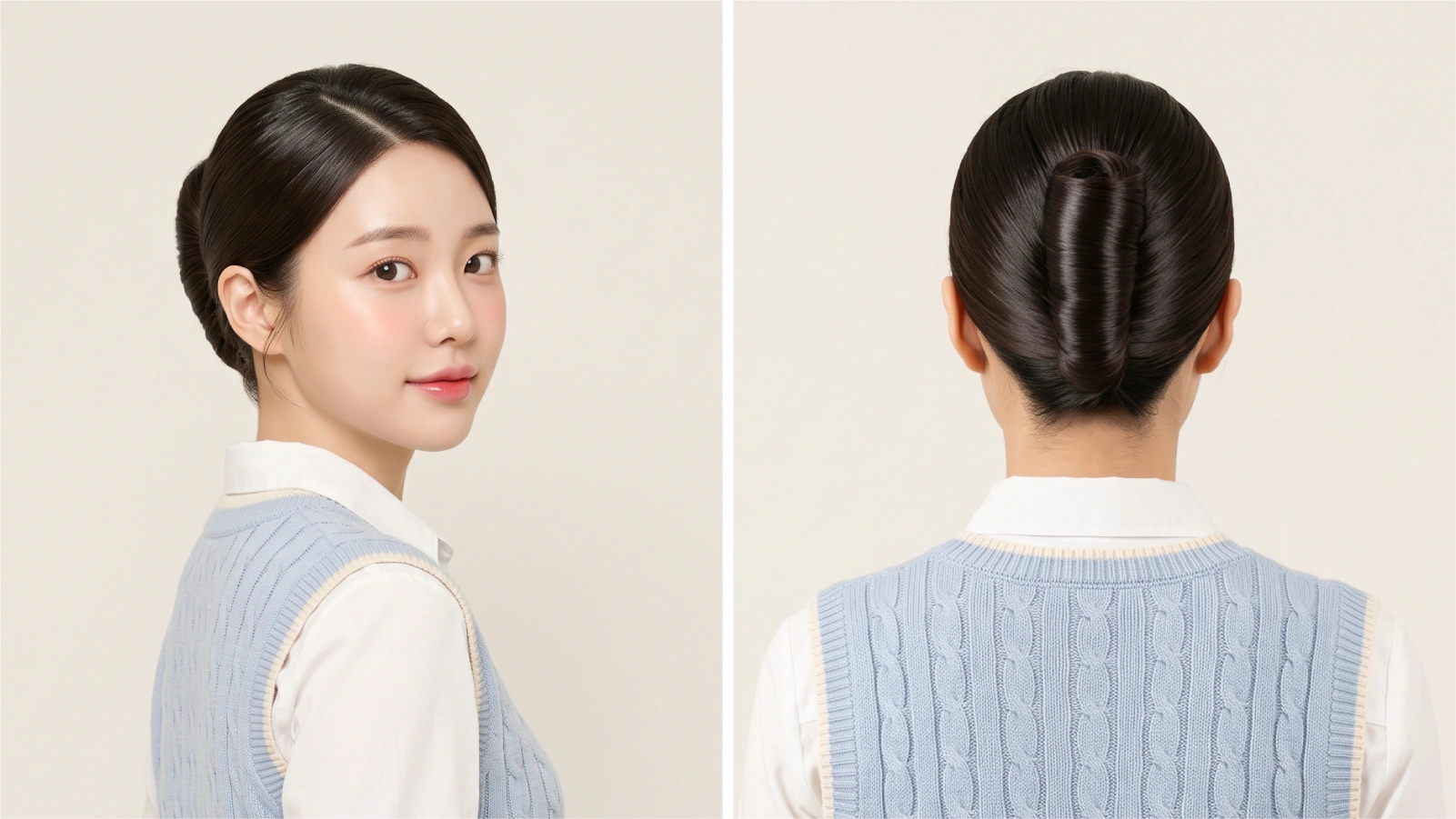
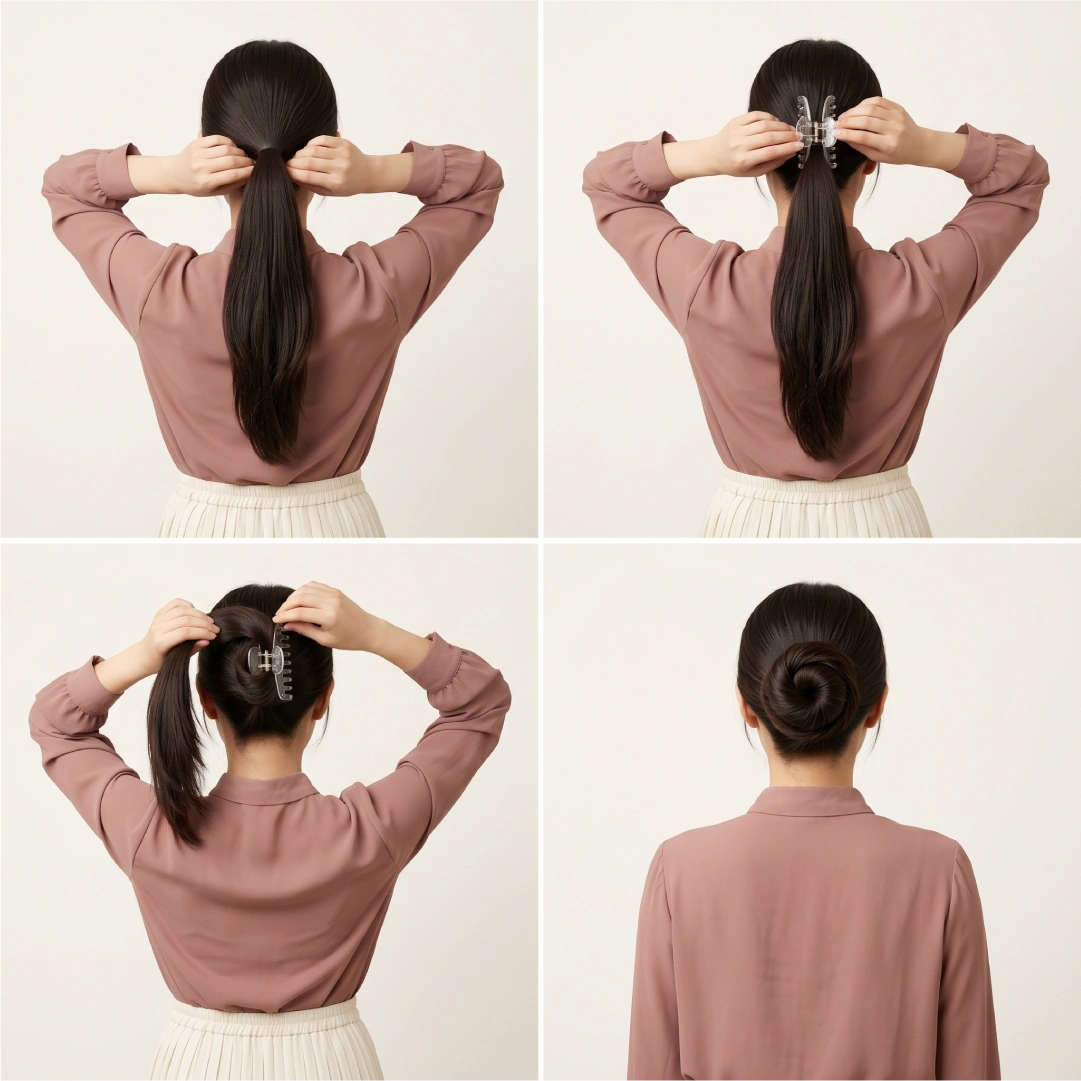
4. Snail Bun (45 seconds)
- Gather hair into a mid-height ponytail
- Insert your claw clip just above the ponytail base, teeth pointing upward
- Lay the ponytail over the top of the open clip
- Wrap the hair around the clip in a coiling motion
- Open the clip teeth inward to tuck and lock the ends underneath
- The clip stays hidden inside the coil for a clean, seamless finish
Can You Do a Claw Clip Bun With Short Hair?
Yes — but you’ll need to adjust your approach. Shoulder-length hair and longer bobs can absolutely work with a claw clip bun, and the style actually looks great on shorter lengths because you get more volume and texture with less effort.
Here’s what changes for shorter hair:
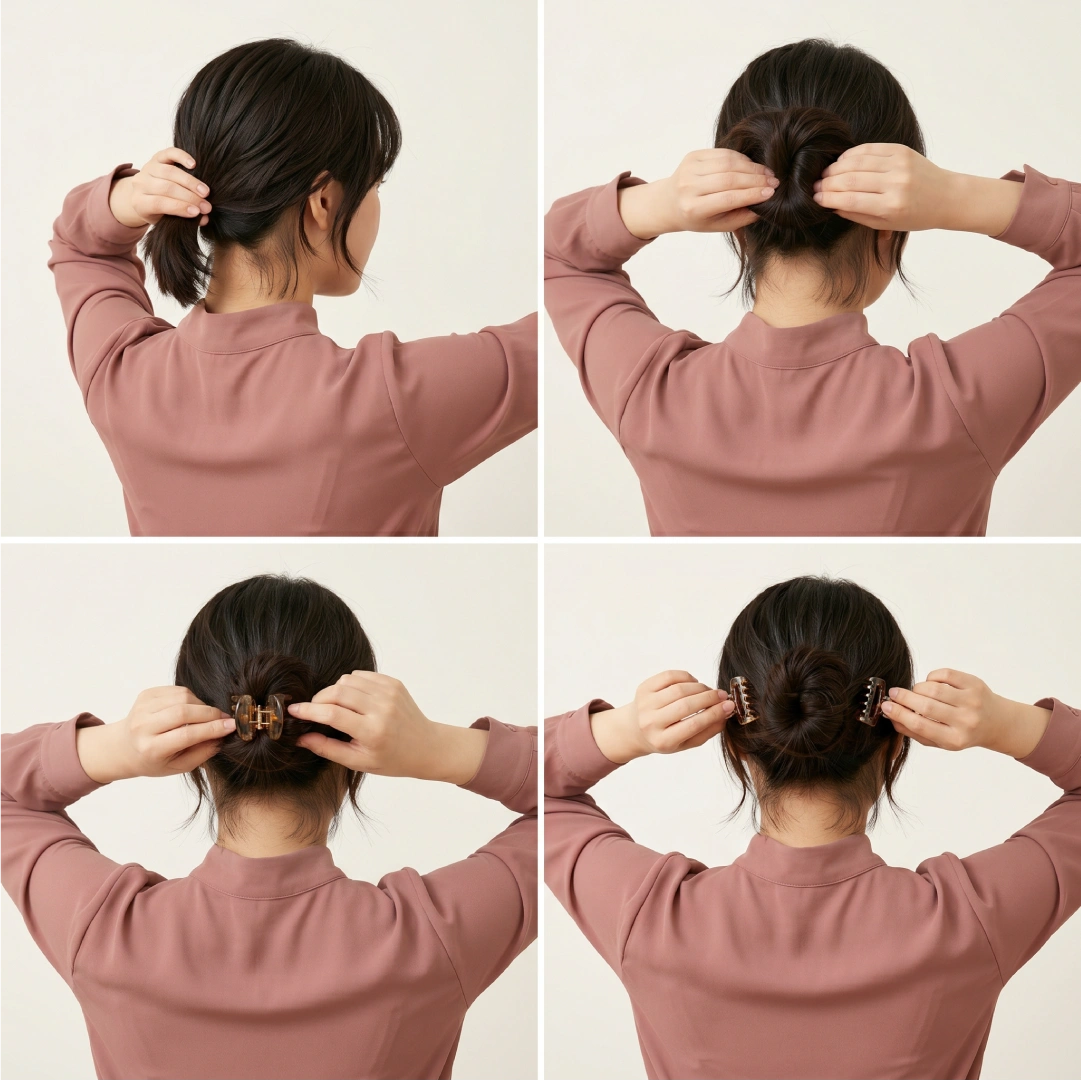
- Use a small or medium clip — large clips will gap and won’t close fully around a smaller bun
- Skip the full twist — instead, fold your ponytail in half and clip it at the fold point, creating a looped messy bun effect
- Don’t fight shorter layers — let them fall naturally around your face and at the nape; this is part of the charm
- Add texture first — a spritz of dry shampoo or texture spray gives fine, short hair the grip it needs to hold
- Try the double-clip method — use two smaller claw clips on either side of the bun for extra security on hair that’s just barely long enough
The minimum workable length for a claw clip bun is roughly chin-length when pulled back. Anything shorter than that won’t form enough of a loop to clip.
Shoulder-length hair often creates the most effortlessly textured claw clip bun because shorter layers naturally fan out around the clip.
Why Does My Claw Clip Bun Keep Falling Out?
If your bun droops, slides, or completely falls apart within an hour, the fix is almost always one of these five issues:
A quick pre-styling routine makes a noticeable difference. On clean hair, work a pea-sized amount of texture paste through your lengths before twisting. On second- or third-day hair, a blast of dry shampoo at the roots creates natural grip. Both approaches give the clip’s teeth something to grab onto.
Second-day hair holds a claw clip bun better than freshly washed hair — the natural oils create friction that keeps the clip locked in place.
Are Claw Clips Better Than Hair Ties for Buns?
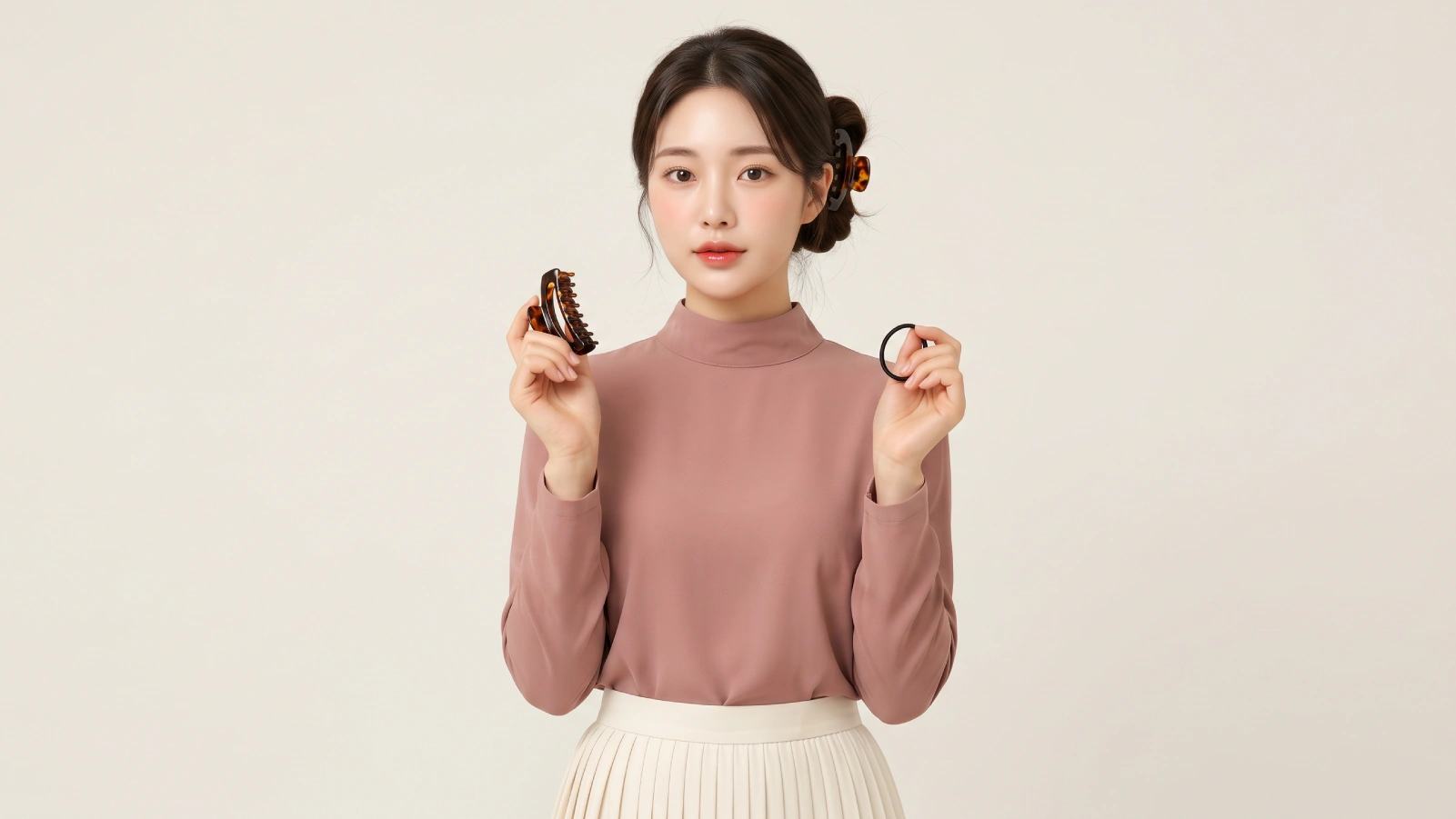
Claw clips and hair ties serve different purposes, but clips have some clear advantages for everyday buns. Traditional elastics create concentrated pressure at the tie point, which can cause breakage over time — especially on fine or color-treated hair.
Claw clips distribute pressure across a wider area, reducing the risk of a crease mark or snapping at the ponytail line.
That said, elastics still win for high-intensity workouts or situations where your bun needs to survive jumping, running, or wind. For everyday wear — commuting, working at a desk, cooking dinner — a claw clip is gentler and just as secure when anchored properly.
For a playful double updo, space buns divide the hair into two equal sections for a Y2K-inspired look that takes about the same effort and time.
And a sock bun creates a fuller, more structured shape if you want something rounder than a claw clip typically produces.
Frequently Asked Questions
Claw clips are generally gentler than elastic hair ties because they don’t create a single pressure point. Choose clips with smooth, rounded teeth and avoid forcing the clip shut on tangled hair. Don’t sleep in a claw clip — the hinge can snag strands and cause breakage overnight.
Use the elastic anchor method: secure a loose ponytail with a thin elastic first, then twist and clip. Apply dry shampoo or texture spray to clean hair for extra grip. Size your clip correctly — if it’s popping open, you need a larger one.
Metal claw clips with wide, interlocking teeth provide the strongest hold for thick or coarse hair. Reinforced acetate is a close second, offering a lighter feel with strong tension. Avoid standard plastic clips, which lose grip tension quickly with thick hair.
Absolutely. A sleek low bun with a decorative acetate or metallic claw clip looks polished enough for weddings, dinners, and work presentations. Smooth your hair with a finishing serum, tuck all ends neatly, and choose a clip with a refined design — tortoiseshell, pearl-accent, or brushed gold all read as intentional, not casual. The snail bun variation works particularly well for formal settings since the clip hides inside the coil, giving the updo a cleaner, more structured finish.
Three covers most situations: one small clip for half-up styles and short hair, one medium for everyday buns, and one large for thick-hair days or when you want maximum hold. Investing in different sizes means you always have the right tool.
Key Takeaways
- Match your claw clip size to your hair thickness and length — this single step prevents most bun failures.
- The elastic anchor method transforms a shaky claw clip bun into an all-day hold.
- Four bun variations — messy, sleek low, twisted, and snail — cover casual through formal occasions.
- Second-day hair grips better than freshly washed hair; use dry shampoo or texture spray on clean hair to compensate.
- Claw clips are gentler than elastics for daily wear, reducing breakage and eliminating ponytail creases.