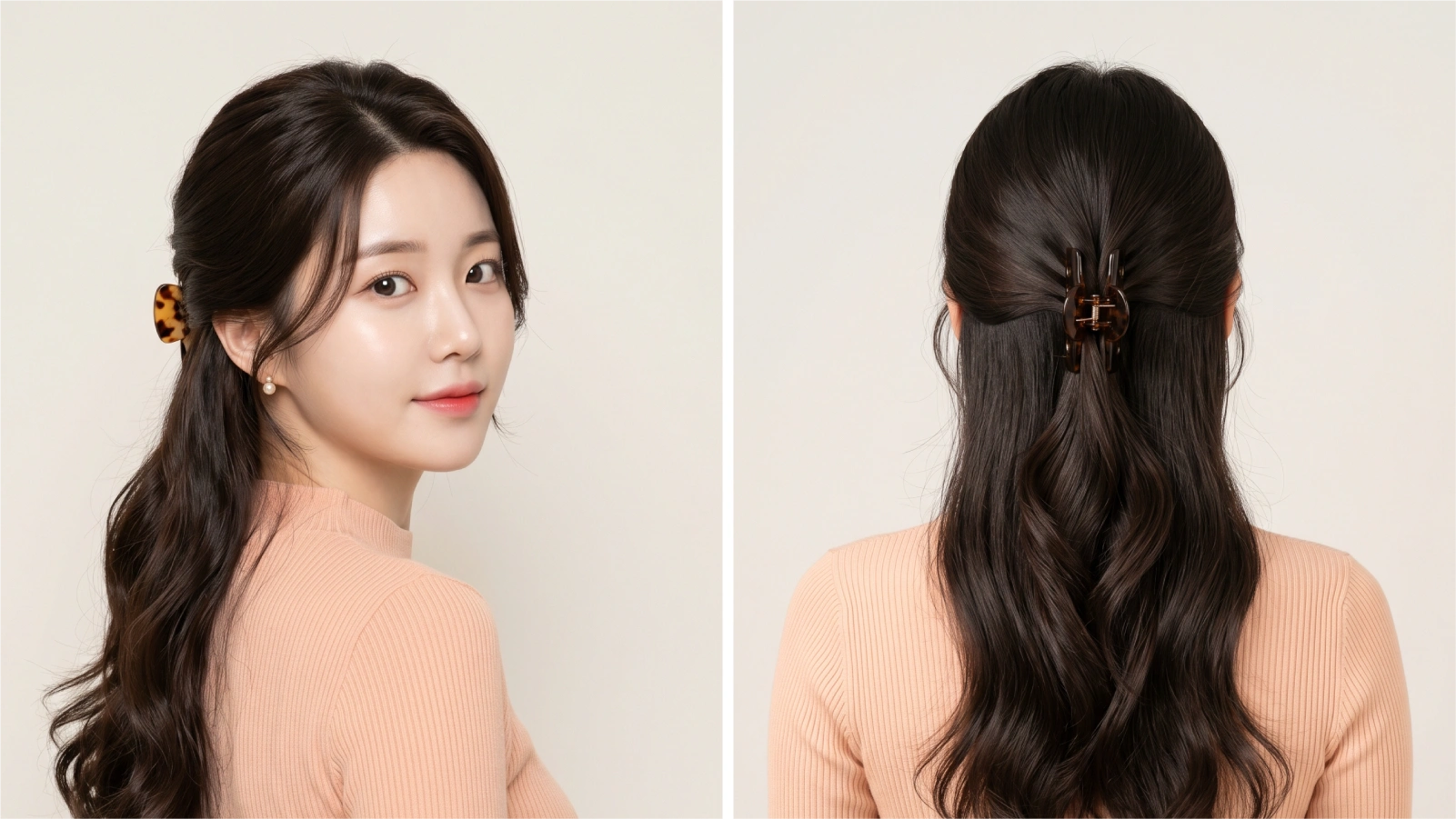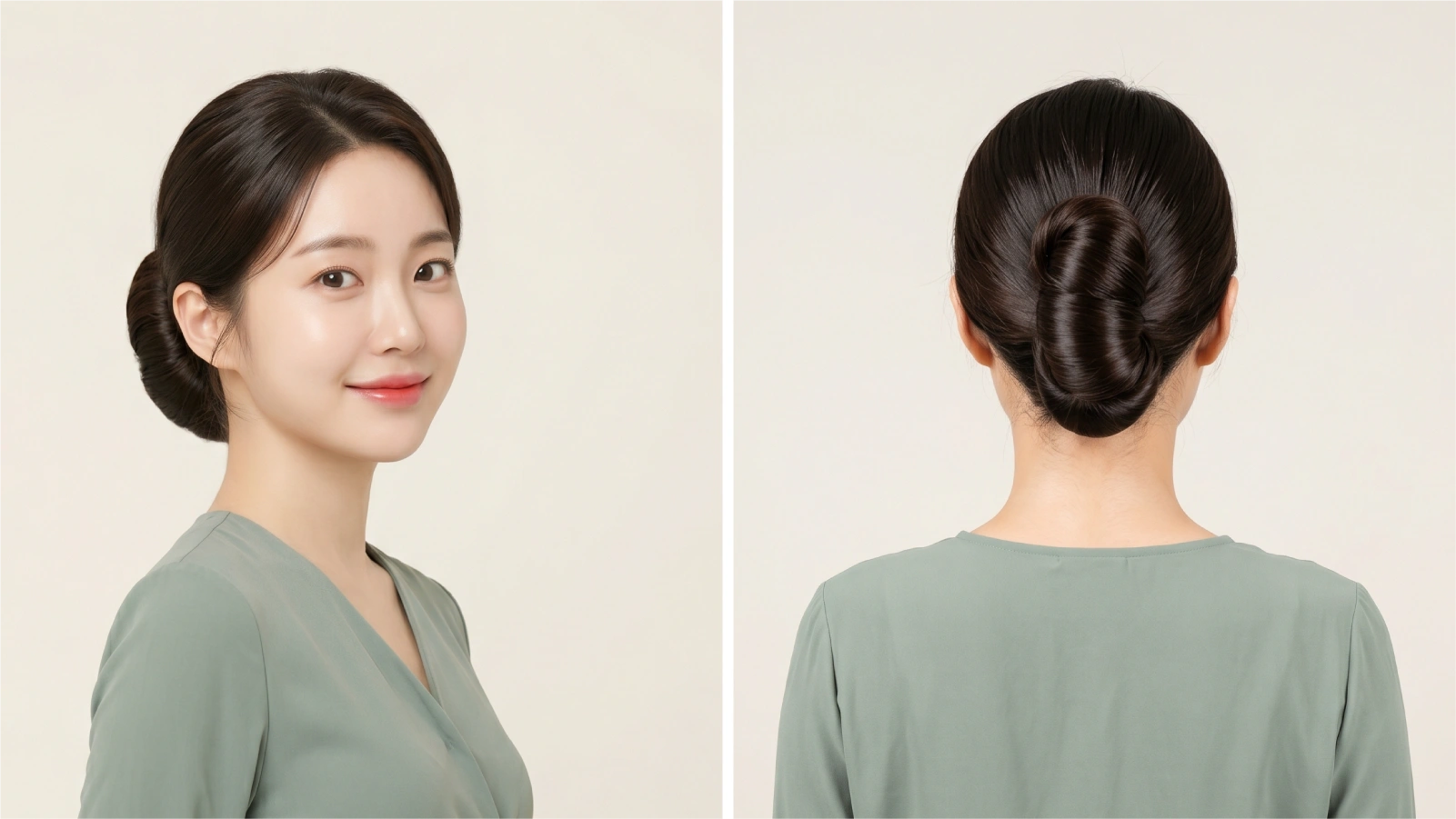
Straight hair needs gentle cleansing timed to your scalp’s oil, conditioner kept to the ends, and heat protection every time you style. That combination keeps strands shiny and prevents the flatness and grease that straight textures show faster than any other.
Because oil travels down a straight strand with nothing to slow it, the roots look greasy while the ends can still feel dry. Good hair care for straight hair works with that reality instead of fighting it.
Below you’ll find a clear wash schedule, styling steps that limit damage, and an honest look at which popular ingredients earn their hype. Treat this as one piece of a larger daily hair care plan you can adjust as your hair changes.
Quick Take
- Wash based on how oily your scalp gets, which for many straight-haired people means daily to every 2 to 3 days.
- Apply shampoo to the scalp and conditioner only to the ends to avoid limp, weighed-down strands.
- Use low or medium heat and a heat protectant every time you blow-dry or flat-iron.
- See a dermatologist for ongoing shedding, flaking, or scalp irritation, not a new shampoo.
Why does straight hair get oily and fall flat so fast?

Straight strands lie close to the scalp with no bends or coils, so sebum slides down the hair quickly and coats it. That’s why roots look greasy within a day while the same oil never fully reaches dry ends.
Flatness comes from the same smooth structure. There’s no texture to hold lift, so hair collapses at the root, especially if it’s fine. Heavy conditioners and rich oils make this worse by adding weight where you least want it.
Fine straight hair is also more fragile. Its smaller strand diameter breaks and weighs down easily, so lightweight products and gentle handling matter more than extra moisture.
Knowing this changes how you shop. A rich cream that rescues coarse hair can flatten fine straight strands for days. Match products to your strand thickness first, then to your scalp’s oil level, and you’ll avoid most common straight-hair complaints.
How often should you wash straight hair?

Wash your hair based on how oily your scalp gets, not on a fixed schedule. The American Academy of Dermatology notes that people with straight hair and an oily scalp may want to shampoo every day, while drier textures can wait longer.
For most straight-haired people that lands between daily and every third day. Let your hair guide you: if it feels dry and brittle, stretch washes further apart; if roots go limp and greasy fast, wash more often.
Two technique points make a real difference. Apply shampoo to your scalp rather than the full length, which cleans buildup without drying the mid-lengths, and keep conditioner on the ends only. Both come from AAD guidance.
A clarifying shampoo once a week helps if styling products or dry shampoo build up. On non-wash days, a light dry shampoo at the roots buys time without stripping the lengths.
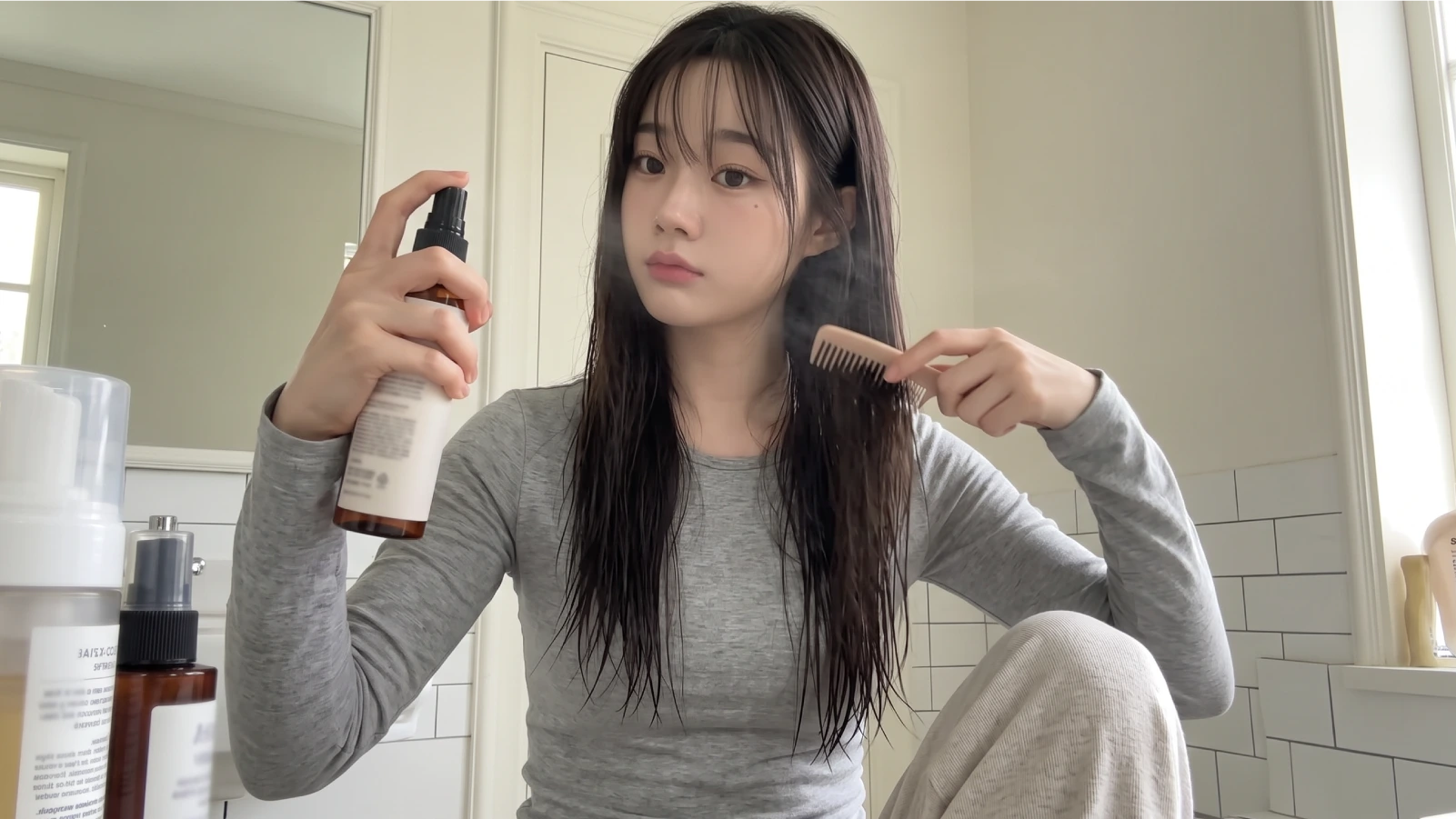
One more habit protects wet strands: skip the brush straight out of the shower. Hair is at its weakest when wet, so let it dry a bit, then work a wide-tooth comb from the ends upward to detangle with the least breakage.
How do you style straight hair without heat damage?

Style on low or medium heat, always over a heat protectant, and skip tools whenever you can. Excessive heat damages every hair type, and the AAD recommends limiting blow-drying and hot tools while using the lowest workable setting.
For flat irons, the AAD advises using them on dry hair at a low or medium setting, no more than every other day. Curling irons should touch each section for only a second or two.
Those small limits add up over months. Higher heat rarely gives a better result on straight hair, but it reliably dulls the cuticle and invites split ends, so the lowest setting that holds your style is always the right one.
A gentle blow-dry routine looks like this:
- Blot hair with a microfiber towel or soft t-shirt instead of rubbing, which roughens the cuticle.
- Let it air dry until it’s about 70 to 80 percent dry before reaching for the dryer.
- Spray a heat protectant from mid-length to ends, then comb it through evenly.
- Dry in sections on low or medium heat, keeping the nozzle moving and pointed down the shaft.
- Finish with a cool shot to seal the cuticle and lock in shine.
The right care can prevent certain types of hair loss and leave your hair looking healthy.
That line from the AAD is a useful reminder that technique matters as much as product. If your strands already look dull or brittle from styling, focus on reversing existing heat damage before adding more heat back in.
Which products and ingredients actually work for straight hair?
Keep it simple: a gentle shampoo, a lightweight conditioner for the ends, and a heat protectant cover most straight-hair needs. Sulfate-free formulas are gentler and less likely to strip, though “sulfate-free” alone doesn’t guarantee a better result.
Popular add-ons deserve honest framing. Rich oils like coconut and castor can smooth and add shine on the ends, but claims that they “repair” split ends or regrow hair aren’t well supported. Once a split forms, only a trim removes it. Use oils sparingly and keep them off the roots.
Persistent flaking, itch, or noticeable shedding is not a product problem to shop your way out of. See a board-certified dermatologist or trichologist, since ongoing scalp issues and unexplained hair fall often have causes shampoo can’t address.
Frequently Asked Questions
Not if your scalp is oily. The AAD says people with straight hair and oily scalps may need to shampoo daily. Watch for dryness at the ends, and space washes out if strands start feeling brittle.
Straight strands have no texture to hold lift, so hair collapses at the root, especially when fine or coated with heavy product. Wash regularly, keep conditioner on the ends, and use a light volumizing spray.
Oils can boost shine and smooth the ends, but evidence that they speed growth or repair damage is thin. Use them lightly on the lengths and don’t expect a growth or split-end cure.
Use the lowest setting that works, on fully dry hair, no more than every other day. Lower, less frequent heat protects the cuticle and keeps hair from turning brittle over time.
The Takeaway
Straight hair is low-fuss once you match your routine to how your scalp behaves.
- Wash by oil level, not a rigid calendar, and clarify weekly if product builds up.
- Shampoo the scalp, condition the ends, and handle wet hair gently with a wide-tooth comb.
- Protect every heat session with low temperatures and a heat protectant.
- Loop in a dermatologist for real scalp or shedding concerns.
Nail these basics and your hair stays sleek without much effort. From here, it’s worth learning how the same principles shift for other textures, starting with a care routine for curly hair.