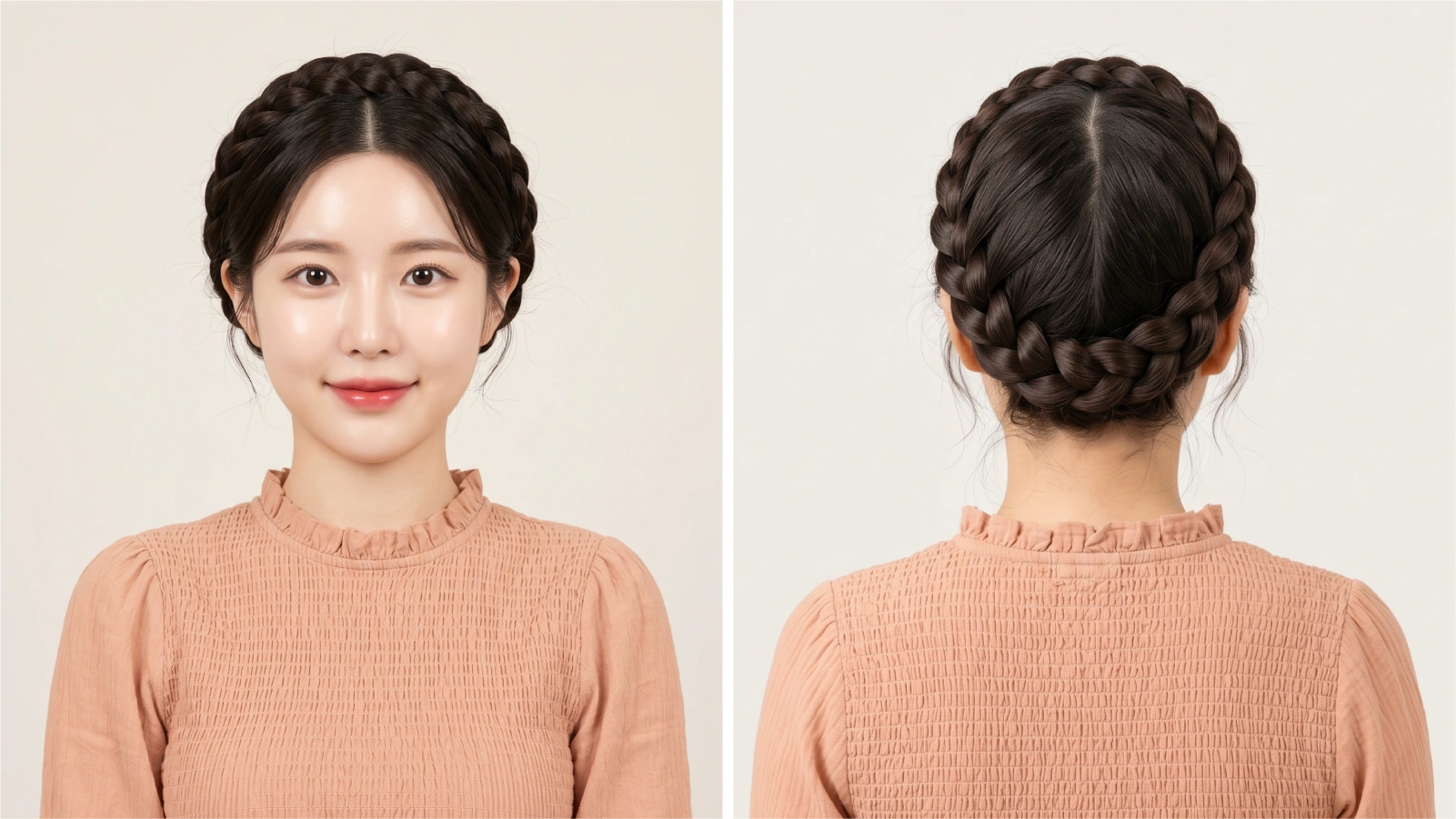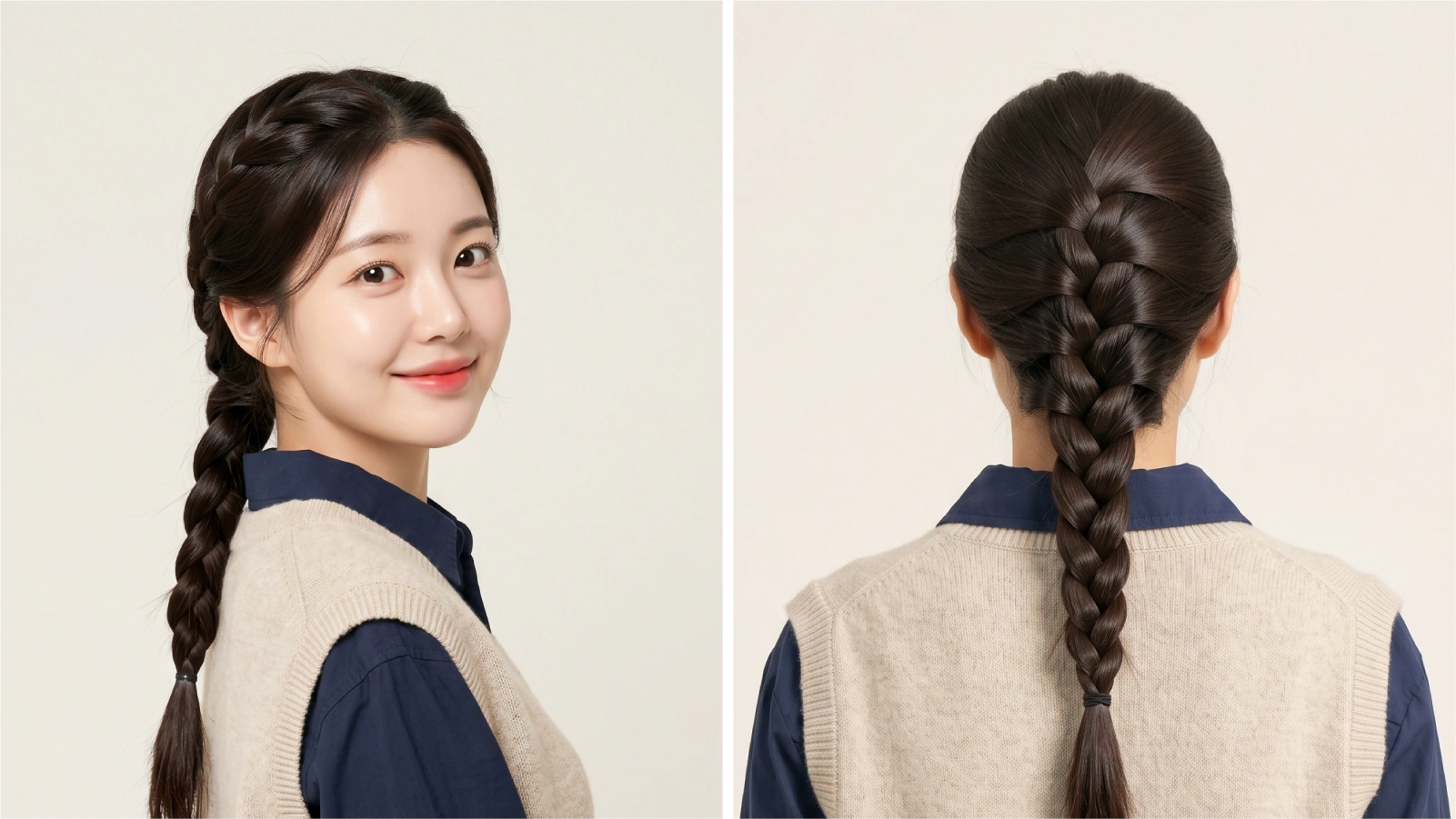
A French braid is a three-strand braiding technique where sections of hair cross over one another while gradually incorporating new hair from each side of the head. It sits flat against the scalp from crown to nape and works on straight, wavy, curly, and coily textures alike.
If you’re exploring easy hairstyles for women that look polished without a salon visit, the French braid belongs at the top of your list. It’s gym-ready, wedding-appropriate, and everything in between — one technique that adapts to practically any setting or hair length above five inches.
This guide breaks down how a French braid actually works, which variations suit different occasions, the mistakes that trip up beginners, and how to protect your hair while wearing braids regularly.
Style Snapshot
How Does a French Braid Work?
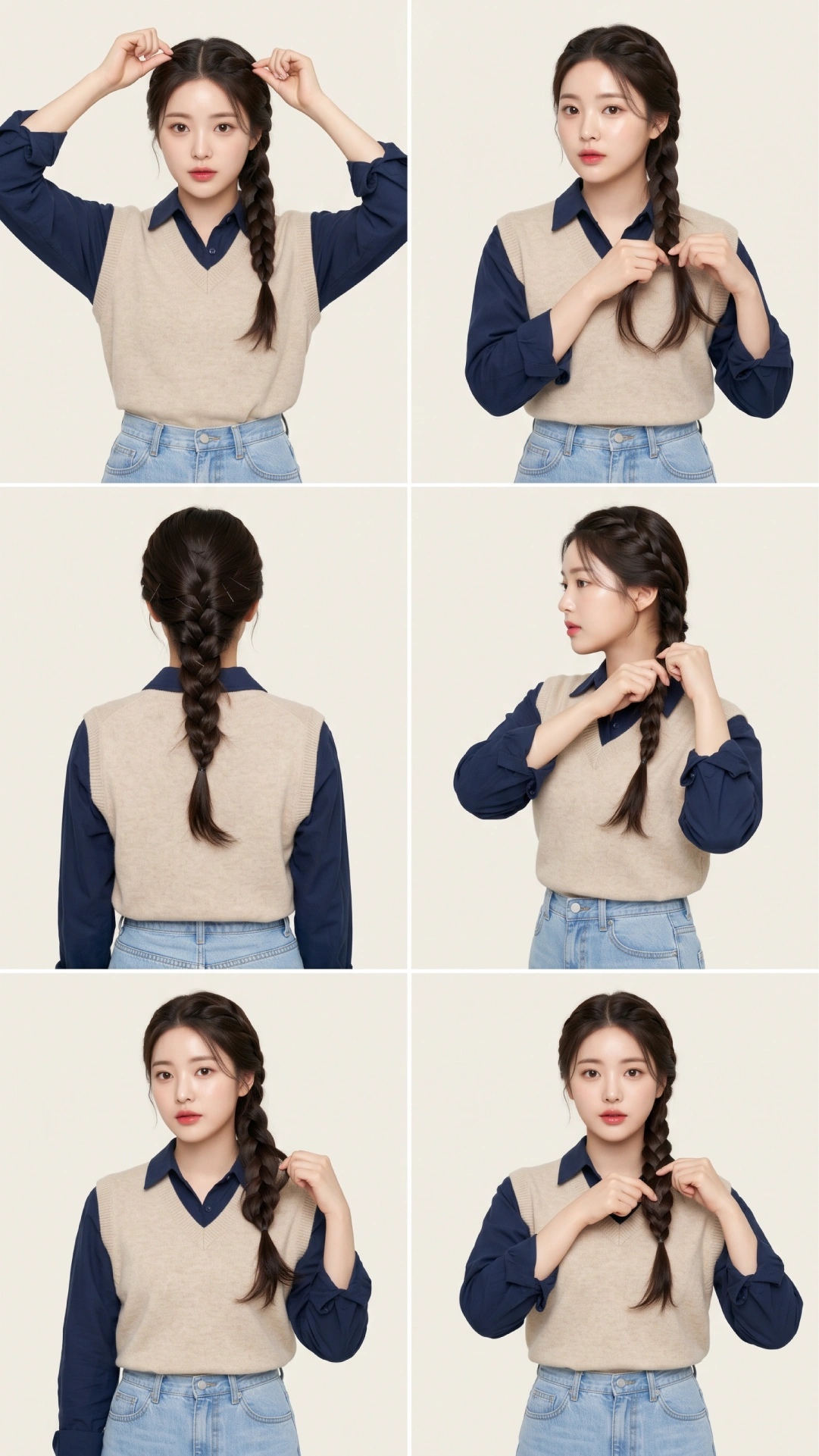
The technique behind a French braid is simpler than it looks once you understand the pattern. You start with three small sections near the crown, cross the right section over the middle, then the left section over the new middle. Before each crossover, you scoop up a thin strand of loose hair and add it to the active section. That’s the entire cycle — cross over, add hair, repeat.
Here’s a quick-reference breakdown of what each hand does:
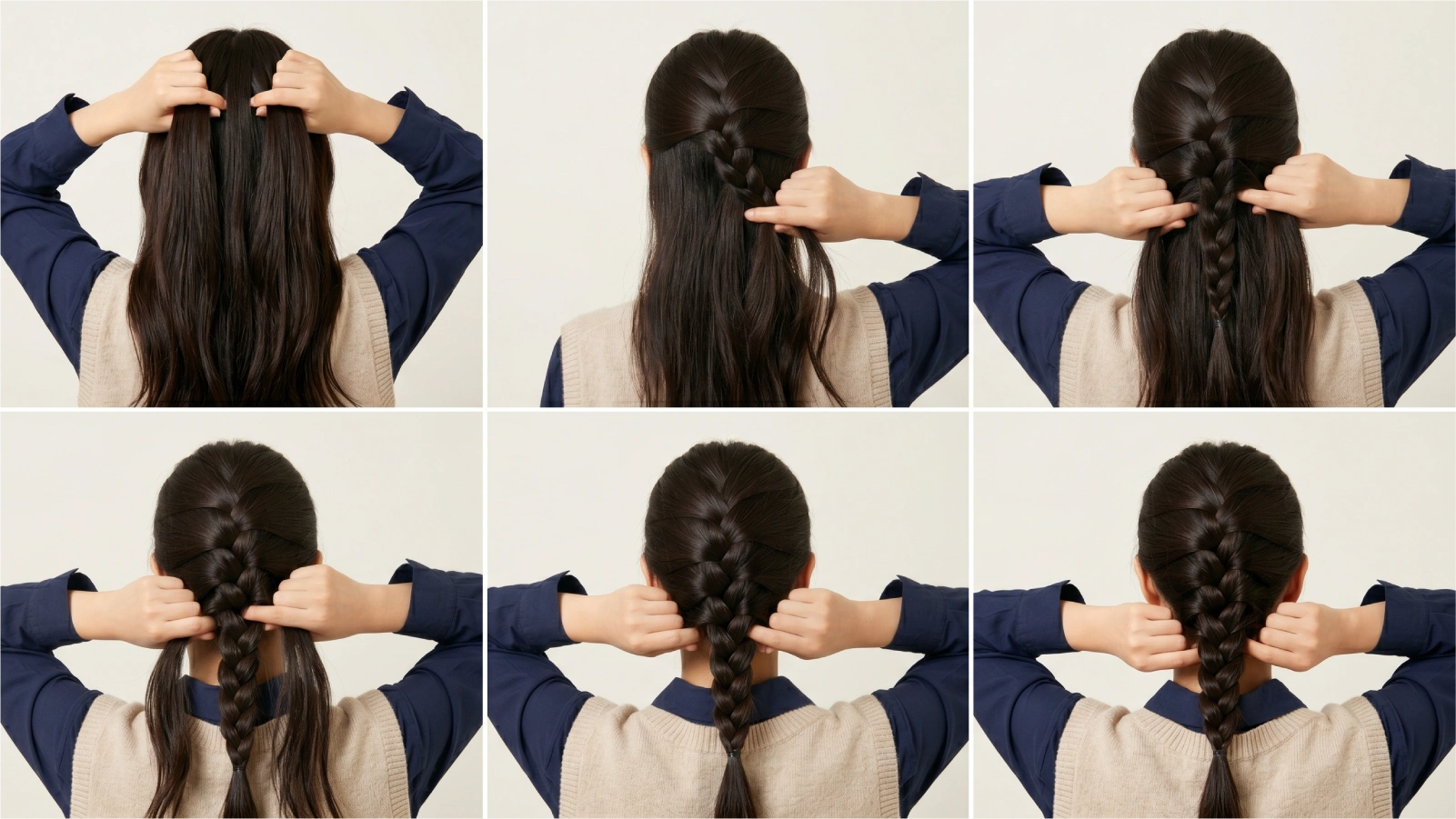
Once all loose hair is incorporated at the neckline, you simply finish with a standard three-strand braid and secure with a snag-free elastic. The whole process takes roughly 5–10 minutes with practice.
What’s the Difference Between a French Braid and a Dutch Braid?
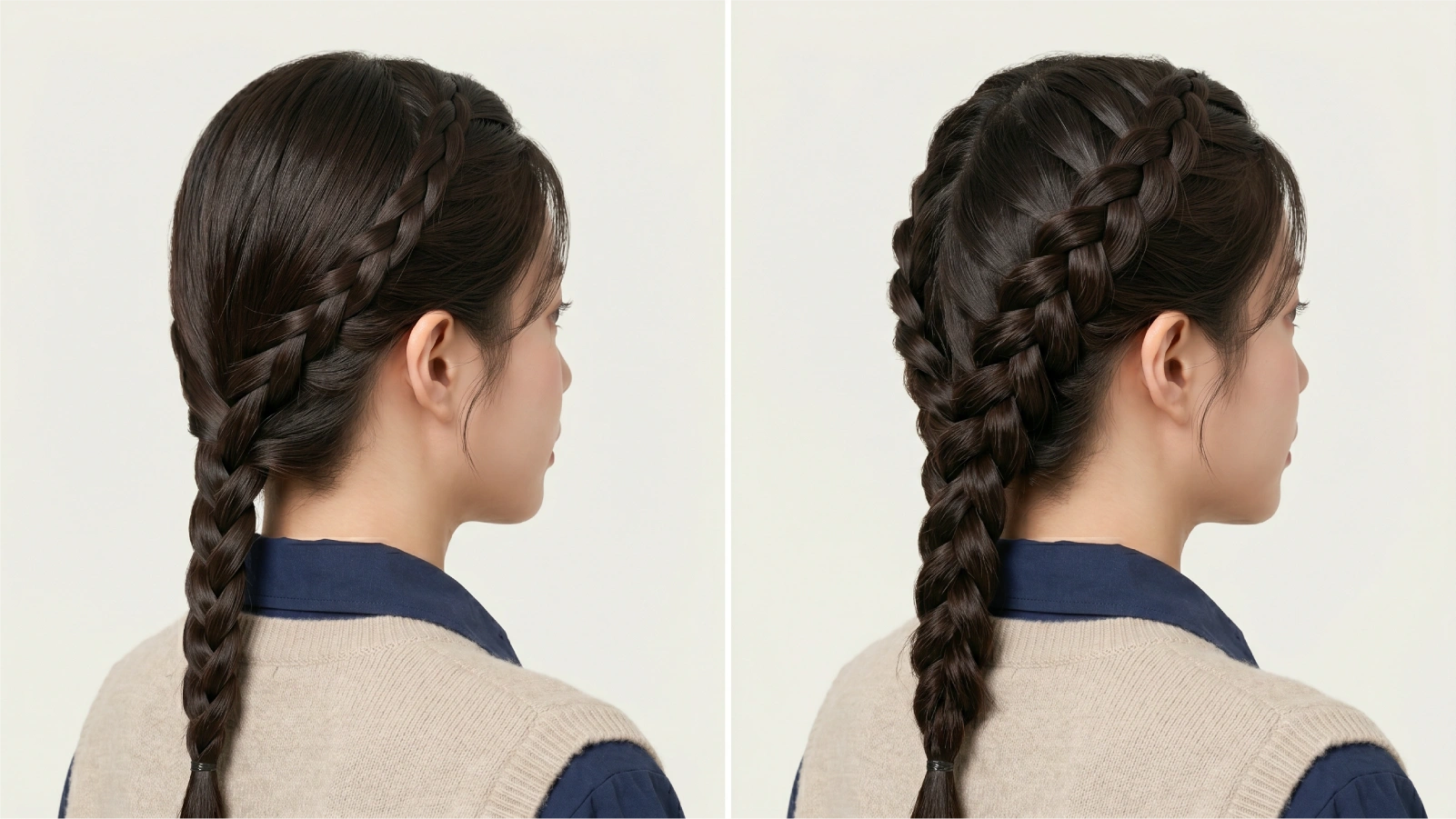
This might be the single most common question in braiding. A French braid crosses strands over the center, which tucks the woven pattern beneath the surface of the hair.
A Dutch braid, sometimes called an inside-out or inverted French braid, crosses strands under the center, pushing the braid outward so it sits raised on top of the head.
Once you master one, the other takes about ten minutes to learn — the hand motions are identical; only the direction reverses.
French braids weave flat against the scalp while Dutch braids pop outward — same technique, opposite crossing direction.
Which French Braid Variations Should You Try?
The classic single French braid is just the starting point. Each variation uses the same over-the-center technique but changes the placement, number of braids, or finishing style.
- Double French braids: Part hair down the center and braid each side separately. Great for workouts and a go-to sporty aesthetic.
- Side French braid: Start above one ear and braid diagonally across the back of the head. Works beautifully on medium-length hair.
- French braid crown: Two braids that wrap from ear to ear and pin together at the top. A popular choice for weddings and formal events.

- French-to-fishtail braid: Begin with a French braid at the crown and transition into a fishtail plait at the nape for added texture.
- French braid bun: Braid from crown to nape, then coil the remaining tail into a low bun. Clean, professional, and holds all day.
- Half-up French braid: Braid only the top section and leave the rest loose. Delivers a milkmaid braid vibe without the full commitment.

Each variation takes the same core skill and adapts it. Start with the classic single braid, then branch out once your fingers develop muscle memory.
Can You French Braid Short or Fine Hair?
Yes — but the approach changes depending on your hair type. Texture, thickness, and length all affect how well a French braid holds, what products you’ll need, and which variations work best.

Fine hair benefits from second- or third-day texture because natural oils add grip. Freshly washed fine hair tends to slip out of braids within hours. Curly and coily textures hold braids well but require careful detangling beforehand — run your fingers through each strand after every two crosses to prevent tangling and snagging.
Common French Braid Mistakes and How to Fix Them
Most French braid frustrations come down to a handful of fixable errors. Here’s what goes wrong and the specific correction for each:
- Lumpy, uneven braid: Caused by grabbing inconsistent section sizes. Fix: use the tip of your fingernail to part clean, equal subsections every time.
- Braid loosens within an hour: Tension drops as your arms tire. Fix: pause every few crosses, re-tighten by pulling gently on each strand, and finish with a light-hold hairspray.
- Hair falls out of the braid: Common with layers or shorter pieces. Fix: secure flyaways with small bobby pins as you go, and apply a pomade or edge control gel at the hairline.
- Arms fatigue too fast: A universal complaint when braiding your own hair. Fix: lower your elbows and rest them on a counter or table. Tilt your head forward to reduce the reach.
- Braid looks too tight or slicked-back: You’re pulling too hard at the start. Fix: use medium tension and “pancake” the braid after finishing — gently tug the outer edges of each link to create width and softness.
- Accidental Dutch braid: You’re crossing under instead of over. Fix: consciously push each outer strand over the center, not under it. Muscle memory takes about five practice sessions to develop.
Does French Braiding Damage Your Hair?
A French braid is generally considered a protective style because it reduces daily manipulation and heat styling. That said, improper braiding habits can cause real problems.
The American Academy of Dermatology warns that repeated tight hairstyles — including braids and ponytails — contribute to traction alopecia, a form of gradual hair loss along the hairline and temples. The risk increases with daily wear and excessive pulling.
To keep your hair healthy while braiding:
- Keep tension moderate — the braid should feel secure, not painfully tight
- Avoid sleeping in tight braids every night; loosen them or switch to a single loose plait
- Never braid soaking wet hair, which is more fragile and prone to breakage
- Use fabric-covered elastics instead of rubber bands at the ends
- Give your hair braid-free days each week to relieve scalp tension
- Alternate with a looser style like a waterfall braid occasionally to distribute tension differently across the scalp
A French braid protects hair from daily damage, but wearing one too tightly or too often can lead to traction alopecia over time.
Frequently Asked Questions
A well-secured French braid typically lasts 1–2 days. Using a light-hold hairspray after braiding and sleeping with a silk or satin pillowcase extends wear. Expect some loosening and frizz by day two, which many people actually prefer for a relaxed, lived-in look.
Yes, though most beginners find it easier to practice on someone else first. Start with a side French braid where you can see your fingers in a mirror. Use hair clips to hold sections you aren’t actively braiding. Five to ten practice sessions is typically enough to build comfortable muscle memory.
A French braid is easier for most beginners because it uses three familiar strands. A fishtail braid uses only two sections with thin pieces passed between them, which requires more patience and precision. That said, neither technique is truly difficult — both reward consistent practice.
Chin-length hair (roughly 4–6 inches) can be French braided, but you’ll need bobby pins to secure shorter layers and the braid will be smaller than on longer hair. A half-up French braid or two small side braids work best at this length.
A texturizing spray adds grip to clean or fine hair. A leave-in conditioner reduces tangles on curly or coily hair. Edge control gel tames flyaways around the hairline. Avoid heavy oils before braiding — they make sections slippery and hard to grip.
Key Takeaways
- A French braid crosses three strands over the center while adding new hair with each pass, creating a flat, polished plait that suits every occasion.
- The technique works across all hair types and lengths above 4–5 inches, with minor prep adjustments for texture and thickness.
- Master the classic single braid first, then explore double braids, side braids, crown braids, and hybrid styles like the French-to-fishtail.
- Even tension and consistent section sizes matter far more than speed — slow down and your braids will look cleaner immediately.
- Protect your hair by avoiding daily tight braiding, using snag-free elastics, and giving your scalp regular rest days.