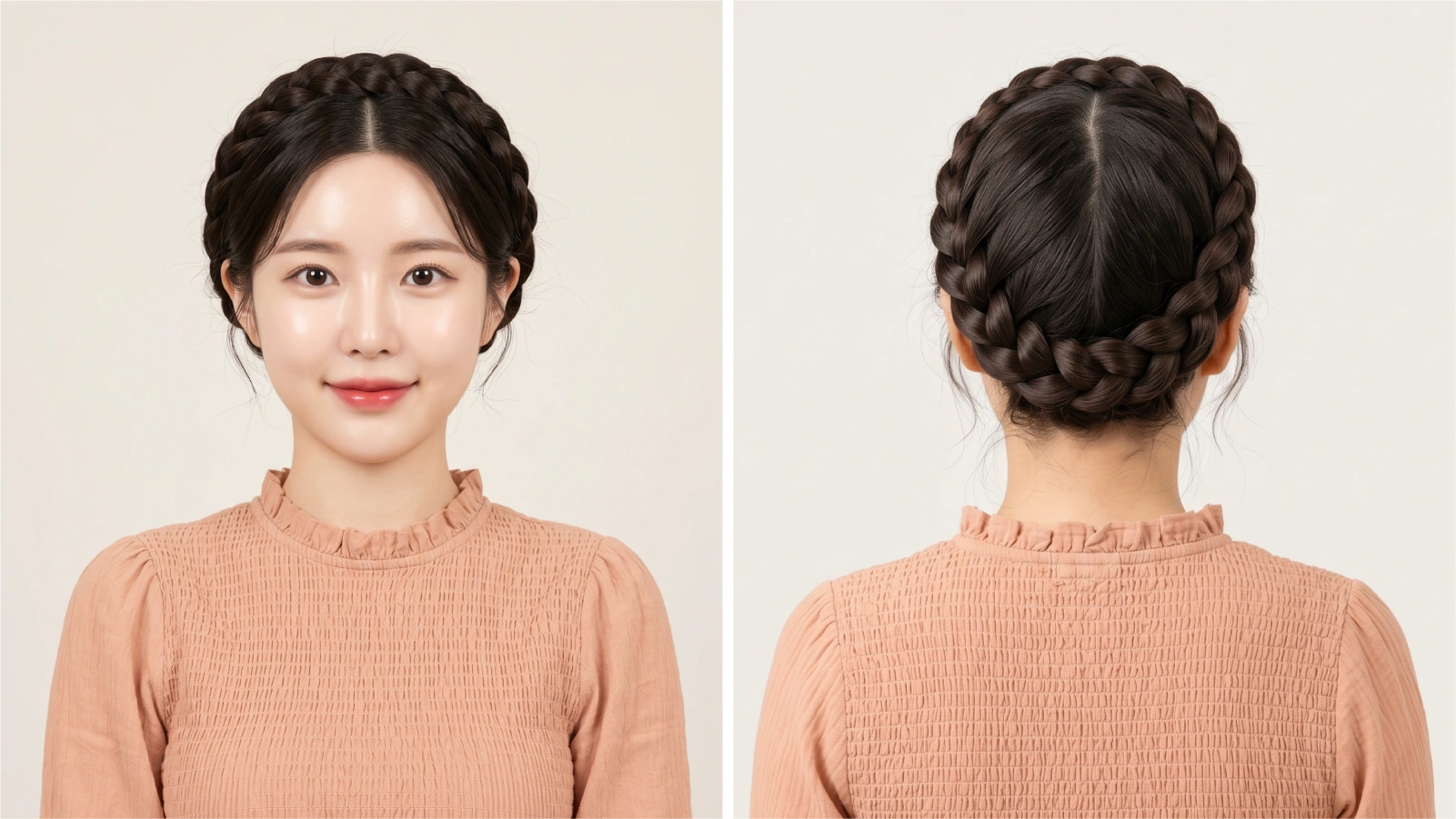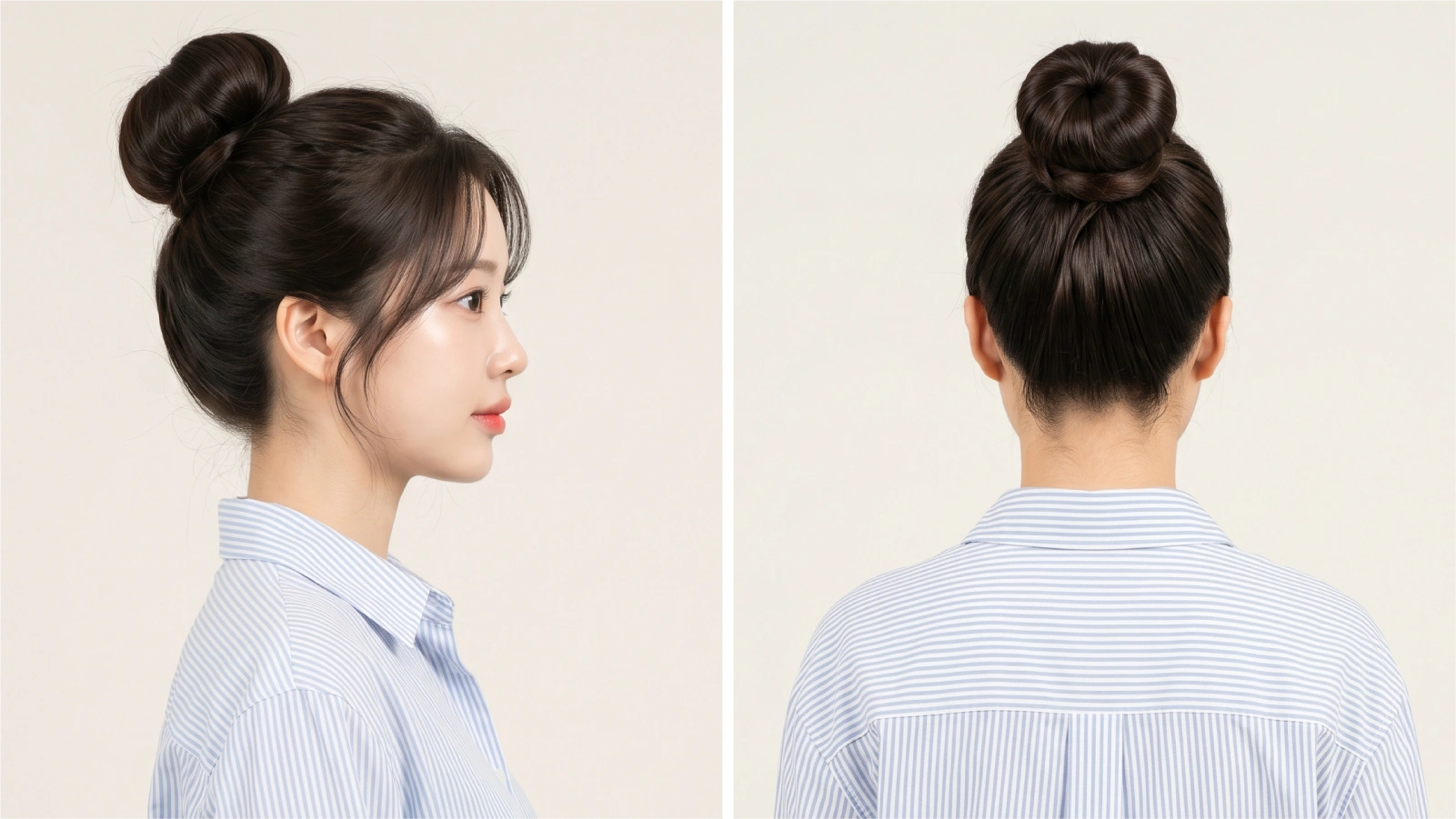
Good hair care for wavy hair comes down to three things: gentle cleansing, light hydration, and drying methods that protect your natural S-pattern. Waves sit between straight and curly, so they get oily near the scalp yet dry through the mid-lengths and ends, which means they need a lighter touch than tighter curls.
That in-between texture is why waves frustrate so many people. Heavy creams flatten them, harsh shampoos frizz them, and rough towel-drying breaks the pattern apart. The fix is a consistent routine built around your hair’s oil balance and porosity, not a cabinet full of random products.
This guide covers how often to wash, how to build a step-by-step routine, which products and ingredients actually earn their place, and how to fight frizz without heat damage. Every care claim here is grounded in dermatology guidance, not marketing.
Quick Take
- Wash wavy hair when it looks oily, not on a fixed schedule; many people do well every 2 to 3 days.
- Apply shampoo to your scalp and conditioner to the mid-lengths and ends to avoid greasy roots and dry tips.
- Skip heavy butters and thick oils that flatten waves; reach for lightweight leave-ins and mousse.
- Dry with a cotton t-shirt and limit heat tools to keep frizz and breakage down.
How often should you wash wavy hair?

There’s no fixed number. The American Academy of Dermatology advises washing based on how oily your scalp gets rather than on a set schedule, and for wavy hair that usually lands around every 2 to 3 days.
Waves are the least dry of the textured types, so the scalp tends to show more visible oil than it would with tight curls. Over-washing strips that oil and triggers frizz, while under-washing leaves roots flat and greasy. The goal is to read your hair, not the calendar.
When you do wash, concentrate shampoo on the scalp and let the lather rinse through the lengths, which helps clear buildup without drying the ends. A gentle, sulfate-free formula keeps waves from feeling stripped.
If flakes, itching, or sudden shedding show up and don’t settle, see a dermatologist or trichologist rather than guessing at products.
How do you build a wavy hair routine?
A good wavy routine has five steps: cleanse, condition, add a leave-in, style with a light hold, then dry gently. Keep each layer thin so you enhance the wave instead of dragging it down.
The order matters more than the number of products. The AAD recommends applying conditioner mainly to the mid-lengths and ends, since fine or wavy hair gets weighed down when you coat the roots. Detangle while conditioner is still in, using a wide-tooth comb on wet hair, which is fragile and prone to snapping.

- Cleanse: Massage a sulfate-free shampoo into your scalp only, then rinse well.
- Condition: Work a lightweight conditioner through the mid-lengths and ends, then detangle with a wide-tooth comb.
- Leave-in: On soaking-wet hair, smooth in a few pumps of leave-in for moisture and slip.
- Style: Scrunch in a mousse or light curl cream to define the S-shape, and avoid heavy butters.
- Dry: Scrunch with a cotton t-shirt or microfiber towel, then air-dry or diffuse on low heat.
If your waves already feel rough or over-processed, focus on repairing damaged strands before definition. For tighter sections that behave more like ringlets, the same logic in caring for curly textures applies.
What products and ingredients actually work for waves?

The best products for waves are light. Thick creams and heavy oils like castor or raw coconut can coat the strand and flatten your pattern, so lightweight leave-ins, mousses, and gels tend to perform better.
Ingredient claims deserve honesty. Humectants like glycerin help waves hold moisture, and that is well established. Trendier fixes are shakier: rice water and biotin get heavy hype online, but the evidence that they transform normal, healthy hair is thin. Use them if you enjoy them, but don’t expect miracles.
- Reach for: sulfate-free shampoo, lightweight conditioner, a water-based leave-in, mousse or a soft-hold gel, and glycerin-based hydrators.
- Go easy on: heavy butters, thick oils on the roots, silicone-heavy serums that build up, and anything labeled “extra rich” for your fine sections.
- Match to porosity: high-porosity waves drink up richer leave-ins, while low-porosity waves prefer thin, water-based layers that won’t sit on top.
Porosity is worth a quick test: drop a clean strand in water. If it sinks fast, it’s high porosity and loses moisture quickly; if it floats, it’s low porosity and repels it. That single detail explains why the same product can define one person’s waves and grease out another’s.
For ongoing shedding tied to stress or diet rather than styling, small routine tweaks help but aren’t a cure; our notes on reducing everyday shedding cover the basics.
How do you stop wavy hair from getting frizzy?

Frizz on waves usually comes from dryness and friction, not from the waves themselves. Rough towel-drying, hot tools, and cotton pillowcases rough up the cuticle and scatter the pattern.
Drying is where most frizz starts. The American Academy of Dermatology points out that hair is delicate when wet and that rough rubbing with a towel can cause damage, so blot and scrunch instead. Swap your terrycloth towel for a cotton t-shirt, and if you diffuse, keep the heat low and use a heat protectant.
Quick anti-frizz habits:
- Blot and scrunch, and never rub waves dry.
- Sleep on silk or satin, or in a loose pineapple, to cut overnight friction.
- Refresh day-two waves with water and a little leave-in instead of rewashing.
- Limit flat irons and curling wands, which trade short-term smoothness for long-term dryness.
Humidity will always test waves, so a light gel cast that you scrunch out once dry gives hold without crunch. If frizz comes with a lot of breakage or hair that snaps easily, that points to damage worth fixing at the source rather than masking.
Frequently Asked Questions
Look at the shape. Wavy hair forms loose S-bends that lie fairly close to your head, while curly hair coils into tighter, springier spirals. Waves can range from barely-there bends to well-defined S-shapes depending on the section.
Wash when your scalp looks or feels oily, which is often every 2 to 3 days for waves. Fine, oily-scalp types may need it sooner, while drier, coarser waves can wait longer between washes.
The online hype outpaces the evidence. Rice water may temporarily smooth and coat strands, but there’s no strong proof it speeds growth or transforms healthy hair. Treat it as an optional extra, not a fix.
Brushing dry waves usually breaks up the pattern and puffs it into frizz. Detangle with a wide-tooth comb while conditioner is in during your wash, then leave the pattern alone once it’s set.
The Takeaway
Wavy hair thrives on restraint. Cleanse the scalp, hydrate lightly, dry gently, and let your natural pattern do the work.
- Wash by oil level, usually every 2 to 3 days, not on a rigid schedule.
- Keep products light, because heavy oils and butters flatten waves.
- Protect the pattern by blotting, air-drying, and limiting heat.
- See a professional for persistent scalp issues or unexplained shedding.
Once your wash-and-style rhythm feels automatic, the next step is dialing in the small daily choices that keep waves looking fresh between washes.